
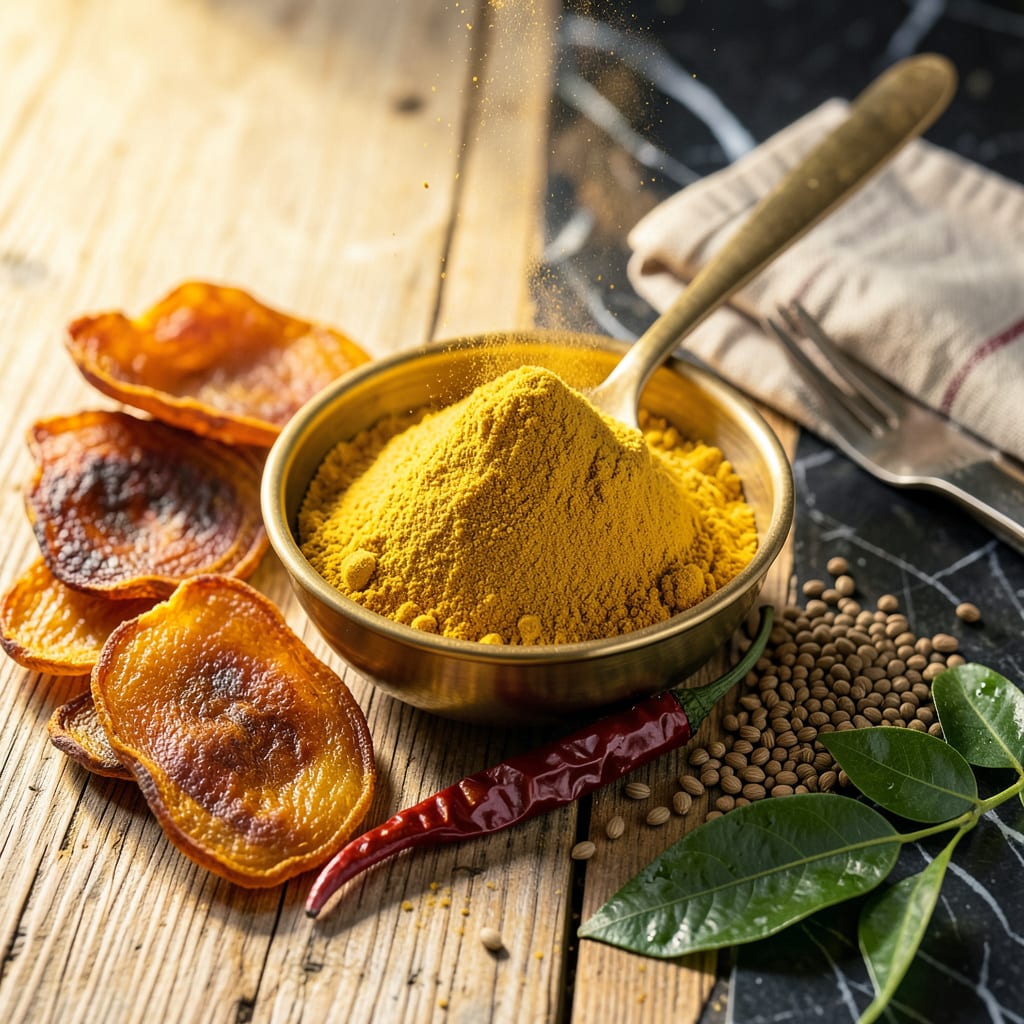
Make amchur powder by drying unripe green mango slices in the sun or dehydrator until crisp, then grinding them into a fine, tangy spice. Store in an airtight container for up to a year.
This traditional Indian spice captures the essence of unripe mangoes in a concentrated form, delivering a burst of citrusy tang without the moisture. 🔥 The drying process is crucial—it transforms the fruit’s natural acids into a shelf-stable powder that enhances everything from chaats to curries. I’ve found that thin, uniform slices dry fastest and grind most evenly, while proper storage prevents clumping and preserves that signature sour punch.
What sets homemade amchur apart is its purity compared to store-bought versions. ✨ You control the quality of mangoes, avoid additives, and can adjust the grind texture to suit your cooking style. The powder’s versatility shines in marinades, sprinkled over fruits, or even as a salt substitute for those watching sodium intake.
💡 In This Article
- Why Unripe Green Mangoes Create the Best Amchur Powder
- Drying and Grinding Techniques for Perfect Amchur Powder
Why Unripe Green Mangoes Create the Best Amchur Powder
The magic of amchur powder lies in its raw material: unripe green mangoes contain 2-3 times more tartaric and citric acid than ripe ones. These organic acids give the powder its signature sour punch while acting as natural preservatives.
🔥 The low sugar content (under 5% compared to ripe mangoes’ 15-20%) means faster drying and less risk of fermentation during processing.
Science shows that unripe mangoes have firmer cell walls due to higher pectin levels. This structure helps slices maintain their shape during drying rather than turning mushy. The moisture content in green mangoes hovers around 80-85%, but this evaporates completely during proper drying—leaving behind concentrated acids and volatile compounds that create that complex, tangy aroma.
Think of it like nature’s sour candy, but with all the water removed.
Ripeness dramatically alters the final product. I’ve tested batches with semi-ripe mangoes, and the results were disappointing—the powder developed sweet notes that clashed with its intended sour profile. The ideal mango for amchur should feel hard when squeezed, with skin that resists indentation.
This stage ensures maximum acid retention and minimal sugar interference in the drying process.
There’s also a preservation advantage. The high acidity (pH around 3.0-3.5) creates an inhospitable environment for bacteria and mold. This is why properly made amchur powder can last 12-18 months without refrigeration—far longer than most homemade spice blends. The acids essentially “pickle” the powder from within, maintaining both safety and flavor intensity.
For comparison, imagine the difference between green and red bell peppers—the color change signals chemical transformations. Similarly, a mango’s journey from green to yellow involves enzyme activation that breaks down acids. By harvesting early, you’re capturing those acids at their peak concentration before nature starts sweetening the deal.
Pro tip: Look for varieties like Totapuri or Alphonso when they’re still firm and green. These cultivars have particularly high acid content, which translates to more potent amchur powder. The skin should have a matte finish rather than any waxy sheen—another sign you’ve got the perfect unripe specimen for this project. ✨

- BBQ Sausage Recipe Oven: Smoky Depth Without the Grill - September 28, 2026
- BBQ Chicken Bowl Recipe Rice: Smoky Sweetness Over Fluffy Grains - September 28, 2026
- Beef Cutlet Recipe Ideas: Crispy Breaded Patties With Bold Seasonings - September 28, 2026