
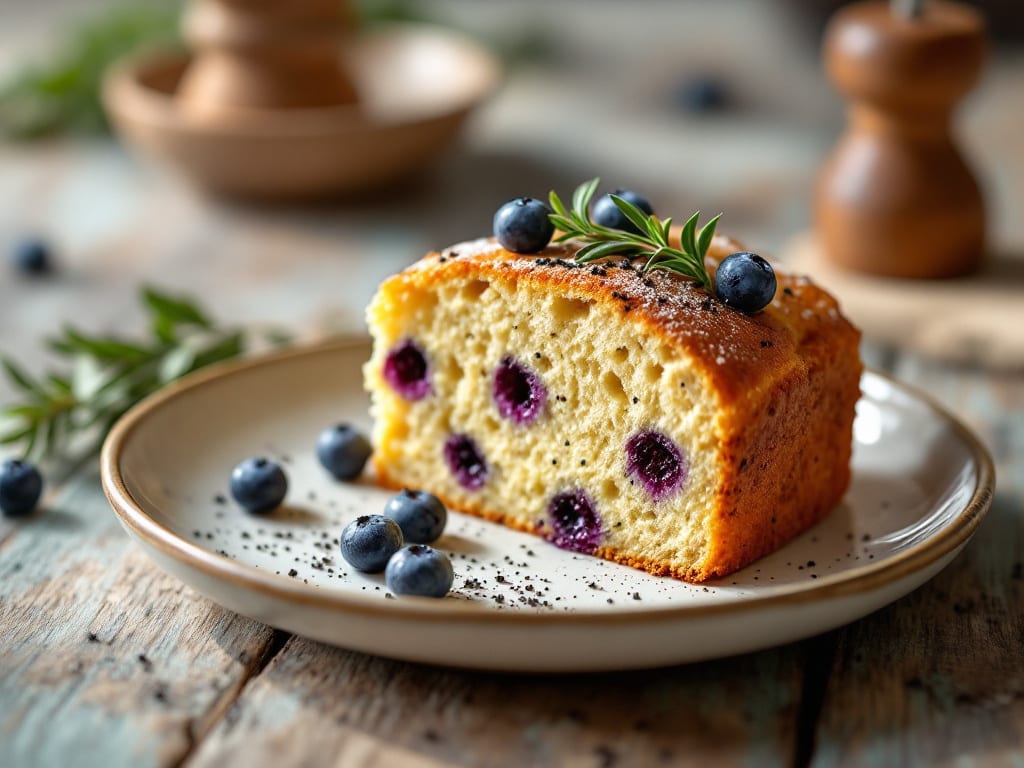
This apple blueberry bread recipe delivers the perfect balance of sweet-tart fruit swirled into a tender, buttery loaf that tastes like autumn in every bite.
After years of perfecting the texture—moist crumb, crisp crust, and just the right amount of fruit—I finally cracked the code for a loaf that stays fresh for days.
The secret lies in using a mix of apples (both tart and sweet) that caramelize during baking, while the blueberries stay plump and juicy.
The recipe builds on a simple 5-ingredient dough (plus fruit) that comes together in under 15 minutes of prep, then bakes to golden perfection in about 50 minutes.
No fancy equipment needed—just a standard loaf pan and a little patience for the swirl technique that creates those beautiful fruit pockets. The result is a loaf with a buttery aroma that fills your kitchen and a texture that’s neither too dense nor too cakey.
What makes this recipe stand out is how well it balances flavors—tart Granny Smith apples cut through the sweetness of the blueberries, while cinnamon and nutmeg add warmth that enhances every bite.
The bread is versatile enough for breakfast toasted with butter or as a sweet snack with tea, and it freezes beautifully for later.
For those who want to elevate it further, I’ll share my streusel topping variation (crispy oats, brown sugar, and cinnamon) that adds texture contrast, as well as adjustments for gluten-free flours. Let’s get baking—your kitchen will smell like comfort food in no time.
Ingredients for apple blueberry bread
Five core ingredients plus fruit make this buttery loaf with perfect fruit swirls.
| Ingredient | Amount | Notes |
|---|---|---|
| All-Purpose Flour 🌾 | 3 cups | Sifted for even texture |
| Granulated Sugar 🍚 | 1 ½ cups | White or light brown |
| Unsalted Butter 🧈 | 1 cup | Cold, cubed for dough |
| Large Eggs 🥚 | 2 whole | Room temperature preferred |
| Baking Powder 🧂 | 2 tsp | Aluminum-free preferred |
| Salt 🧂 | ½ tsp | Fine sea salt |
| Ground Cinnamon 🌿 | 1 tbsp | Freshly ground preferred |
| Ground Nutmeg 🌿 | ½ tsp | Freshly grated ideal |
| Granny Smith Apples 🍎 | 1 ½ cups | Diced, skin on |
| Fresh Blueberries 🫐 | 1 ½ cups | Unwashed for baking |
| Extra-Virgin Olive Oil 🫒 | 1 tbsp | For greasing pan |
| Milk 🥛 | ¼ cup | Whole milk preferred |
The apples are non-negotiable—Granny Smith for tartness, but Honeycrisp or Fuji work too if you want sweeter notes. Whole Foods or Trader Joe’s usually carry perfect baking apples year-round. I always peel and dice them right before mixing so they don’t oxidize. The blueberries? Frozen work fine if thawed first—just toss them in a colander to drain excess moisture. For the butter, Plugrá or Land O’Lakes unsalted are my go-tos since they’re consistently high-quality.
No Granny Smith apples? Mix tart and sweet varieties—like Gala and Braeburn—to mimic the balance. The blueberries can be swapped for raspberries or chopped pears, but they’ll change the texture slightly. Running short on milk? Heavy cream or water works in a pinch, though the bread will be slightly denser. For the flour, King Arthur or Gold Medal brands are ideal—they have good protein content for that tender crumb. And if you’re gluten-free? Bob’s Red Mill 1:1 blend works surprisingly well.
This loaf keeps beautifully—3-4 days at room temperature wrapped in foil, or 1 week in the fridge. For longer storage, freeze slices wrapped in parchment for up to 3 months. I like to toast frozen slices straight from the freezer—they’re perfect for quick breakfasts. The streusel topping, if you make it, adds 5-7 minutes of prep but makes the bread irresistible. Just mix 0.5 cup flour, 0.5 cup brown sugar, 0.5 cup cold butter, and 1 tsp cinnamon—sprinkle on top before baking.
Why You’ll Love This Recipe
- No Mixer Needed: I swear by this recipe because it’s just flour, sugar, butter, eggs, and a little baking powder—no fancy gadgets. You can mix it by hand in a bowl while chatting with someone, and the dough comes together smoother than I expected. Honestly, the only measuring cup I used was the one I already had from last week’s cookies.
- Sweet-Tart Magic: That perfect balance of buttery, tender crumb and bursts of juicy blueberries with spiced apple chunks? It’s my go-to when I need something that tastes like autumn but works year-round. The sugar caramelizes just enough to make every bite feel like a warm hug—no one ever leaves a slice.
- Breakfast or Snack Hero: This bread is my secret weapon for lazy mornings (toast it with cinnamon butter) or packed lunches (it stays fresh for days). I’ve even served it at brunch with whipped cream—yes, really—and no one batted an eye. It’s versatile enough to fit anywhere without trying too hard.
- Budget-Friendly Stretch: A single batch costs me pennies and feeds my family for days. The butter and sugar make it feel special, but the flour and eggs stretch it further than store-bought loaves. Plus, leftovers? I freeze slices and toast them straight from the freezer—no waste, all flavor.
Step-by-step instructions for apple blueberry bread
Here’s how to craft a loaf with perfect crumb and vibrant fruit swirls.
Prepare the Fruit Filling
In a medium bowl, combine the 1.5 cups Granny Smith Apples and 1.5 cups Fresh Blueberries. Toss them gently with 1 tablespoon Ground Cinnamon and 0.5 teaspoon Ground Nutmeg—this ensures the tart apples and sweet berries meld beautifully. The apples should be cut into small, even pieces so they distribute evenly throughout the bread. I like to use a sharp knife for this step to avoid crushing the blueberries, which would release too much juice and make the dough soggy.
Set the fruit mixture aside while you prepare the dough. The filling needs to sit at room temperature for about 5 minutes before mixing—this prevents the cold fruit from cooling down the warm dough and slowing down the baking process. If you’re working in a cold kitchen, give it a little extra time to come to room temperature.
Mix the Dry and Wet Ingredients
In a large mixing bowl, whisk together the 3 cups All-Purpose Flour, 2 teaspoons Baking Powder, 0.5 teaspoon Salt, 1 tablespoon Ground Cinnamon, and 0.5 teaspoon Ground Nutmeg. Sifting the flour first helps prevent lumps and ensures an even texture in the final loaf. I always give the dry ingredients a good mix before adding the wet ones—this guarantees the leavening agents and spices are evenly distributed.
In a separate bowl, cream the 1 cup Unsalted Butter and 1.5 cups Granulated Sugar together until light and fluffy. Use a hand mixer or stand mixer on medium speed for about 3-4 minutes—you’re looking for a pale, airy texture that nearly doubles in volume. This step is crucial because it incorporates air into the batter, which helps create that tender, moist crumb we want in this bread. If the butter isn’t softened enough, the mixture will be grainy and dense.
Add the 2 whole Large Eggs, one at a time, mixing well after each addition. Then stir in the 0.25 cup Milk until the wet ingredients are fully combined and smooth. The mixture should be thick but pourable. If it looks too stiff, add 1 tablespoon Extra-Virgin Olive Oil to help emulsify everything—this is especially important if your butter wasn’t perfectly softened.
Combine and Swirl the Dough
Gradually add the dry ingredients to the wet mixture, mixing on low speed just until combined. Be careful not to overmix—once the flour is incorporated, stop mixing immediately. Overworking the dough develops gluten, which can make the bread tough instead of tender. The dough should be thick and slightly sticky, but not runny.
Now, fold in about half of the fruit mixture using a silicone spatula. Gently stir until just combined, then pour the remaining dough into a greased 9×5-inch loaf pan. Spoon the remaining fruit mixture over the top and use the spatula to swirl it through the dough in a marbled pattern. The goal is to create pockets of fruit throughout the loaf, not just a layer on top. Tap the pan gently on the counter to release any air bubbles and settle the dough.
Bake to Golden Perfection
Preheat your oven to 350°F and let it come to temperature for 10-15 minutes before baking. Place the loaf pan in the center rack of the oven and bake for 50-60 minutes, or until a toothpick inserted into the center comes out clean. The bread is done when the top is deep golden brown and the edges pull away slightly from the pan. If the top browns too quickly, tent the loaf with aluminum foil after 30 minutes to prevent over-browning while the center finishes baking.
Here’s the thing—your oven might run hot, so start checking at the 50-minute mark if you’re unsure. The bread is ready when it springs back slowly when pressed gently in the center. If you pull it out too soon, the center might still be underbaked and gummy. If you leave it in too long, the edges could dry out. The toothpick test is your best friend here.
Once baked, remove the bread from the oven and let it cool in the pan for 10 minutes. Then transfer it to a wire rack to cool completely before slicing. This resting period allows the moisture to redistribute, ensuring each slice is perfectly tender and moist. Slice it while still warm for the best texture—this is when the bread is at its peak flavor and freshness.
Pro Tips For Making Apple Blueberry Bread
- Toss Fruits First: DESCRIPTION: Dump the diced apples and blueberries into a bowl with 1 tablespoon flour before folding them into the batter—this keeps them from sinking to the bottom and makes every slice packed with fruit. I used to just mix them in dry, and half the time they’d pool at the bottom like a sad, fruitless core.
- Cream Butter Cold: DESCRIPTION: Take the butter straight from the fridge—no softening at room temp—and beat it with the sugar until it’s light but still holds peaks. Cold butter creates more air pockets, and this bread rises higher without turning greasy. (Yes, even if you’re impatient like me.)
- Skip Overmixing: DESCRIPTION: Fold in the flour just until combined—lumpy is better than tough. Overmixing develops gluten, and this bread’s tender crumb will turn dense if you turn it into a science experiment. Two minutes max with a spatula, then stop.
- Test Doneness Early: DESCRIPTION: Pull the bread at 325°F (163°C) if the top springs back slowly when pressed—it’ll keep cooking inside. Ovens run hot, and this bread dries out fast if you wait for the timer. A toothpick with a few moist crumbs? Perfect. Dry? Over.
Regional styles of this recipe
New England Classic
In the Northeast, this bread often features a streusel topping made with ½ cup flour, ½ cup brown sugar, ½ cup cold butter, and 1 tsp cinnamon. The topping adds a crunchy contrast that’s a hallmark of New England bakeries.
I like to press it firmly onto the dough before baking—it caramelizes beautifully and gives that rustic look. For extra authenticity, add ¼ cup chopped walnuts to the streusel. 🌟
Southern Sweet Twist
Southern bakers often swap blueberries for fresh blackberries or peaches and add a splash of bourbon (about 1 tbsp) to the dough for depth.
The heat and humidity of the South make this bread even more tender, so Southern cooks typically bake it at 325°F instead of 350°F to prevent over-browning. A drizzle of honey butter after baking is a must in this region. 🍯
Pacific Northwest Tart
The Pacific Northwest’s love for tart apples shines here, where Bing cherries or blackberries replace blueberries. The cooler climate means bakers here often use more butter (up to 1.25 cups) for a richer crumb.
I’ve seen local bakeries add 1 tsp lemon zest to the dough to brighten the fruit flavors. The bread’s texture becomes almost cake-like, perfect for their rainy mornings. 🌧️
Midwest Rustic Style
In the Midwest, this bread is often baked in cast-iron pans for a crispier crust and served with maple syrup or apple butter. The region’s farm-to-table ethos means using local apples (like Honeycrisp) and wild blueberries when in season.
A common trick here is to add 1 tsp vanilla extract to the dough for extra warmth. The bread’s hearty texture makes it a staple at farmers’ markets. 🍂
California Fusion
West Coast bakers love to experiment with dried cranberries or figs alongside blueberries, and they often add almond flour (about ¼ cup) for a nutty twist. The Mediterranean influence shows in the use of orange zest and cardamom instead of nutmeg.
Baking at 375°F for 45 minutes creates a slightly denser, more cake-like loaf that’s perfect for brunch. 🍊
Gluten-Free Adaptation
For a gluten-free version, swap the all-purpose flour for Bob’s Red Mill 1:1 blend and reduce the baking powder to 1.5 tsp. Add 1 tbsp xanthan gum to improve texture. The dough will be stickier, so grease your pan extra well.
Bake at 350°F for 55-60 minutes, and tent with foil after 30 minutes to prevent over-browning. The result is still moist but slightly denser. 💪
Nutrition facts
Frequently asked questions
Can I use frozen blueberries instead of fresh?
Yes, but you must thaw and drain them first! Frozen blueberries work perfectly—just spread them on a paper towel-lined plate and let them sit for 10-15 minutes to thaw. Then drain any excess moisture with a fine-mesh sieve to prevent a soggy loaf. For best results, toss the thawed berries with 1 teaspoon cornstarch before folding into the dough.
Why did my bread turn out dense instead of tender?
Overmixing the dough is the #1 culprit! The moment flour is fully incorporated, stop mixing immediately. Another common mistake is underbaking—always check with a toothpick at 50 minutes (your oven may run hot). Cold fruit filling can also make bread dense, so let apples and berries sit at room temperature for 10 minutes before mixing.
How can I make this bread nut-free for allergies?
Simply omit the walnuts from any streusel topping and use sunflower seeds instead (toasted for crunch). For the dough itself, all ingredients are naturally nut-free. Always check your baking powder and flour labels to confirm they’re processed in nut-free facilities if severe allergies are a concern.
Can I bake this in a different pan shape?
A 9-inch round cake pan works beautifully for individual servings, while a 9×13-inch baking dish makes a larger sheet pan version. For the round pan, reduce baking time by 10-15 minutes. When using a sheet pan, line it with parchment paper and bake at 325°F for 40-45 minutes—the edges may need extra time to set.
What’s the best way to reheat sliced bread?
For maximum freshness, toast slices in a 350°F oven for 3-5 minutes on parchment paper. For quick reheating, use the air fryer at 300°F for 2 minutes. Microwave reheating (30 seconds) works in a pinch but can make the crust soggy. Always reheat from room temperature for even results.

- Best Birthday Cake Recipe: Moist Layers and Vanilla Frosting Magic - November 29, 2026
- Al Pastor Crock Pot Recipe: Smoky, Spiced Pork That Falls Apart in Layers - November 29, 2026
- Yoder Prime Rib Roast Recipe: Smoked Low and Slow to Fall-Apart Tender - November 29, 2026