
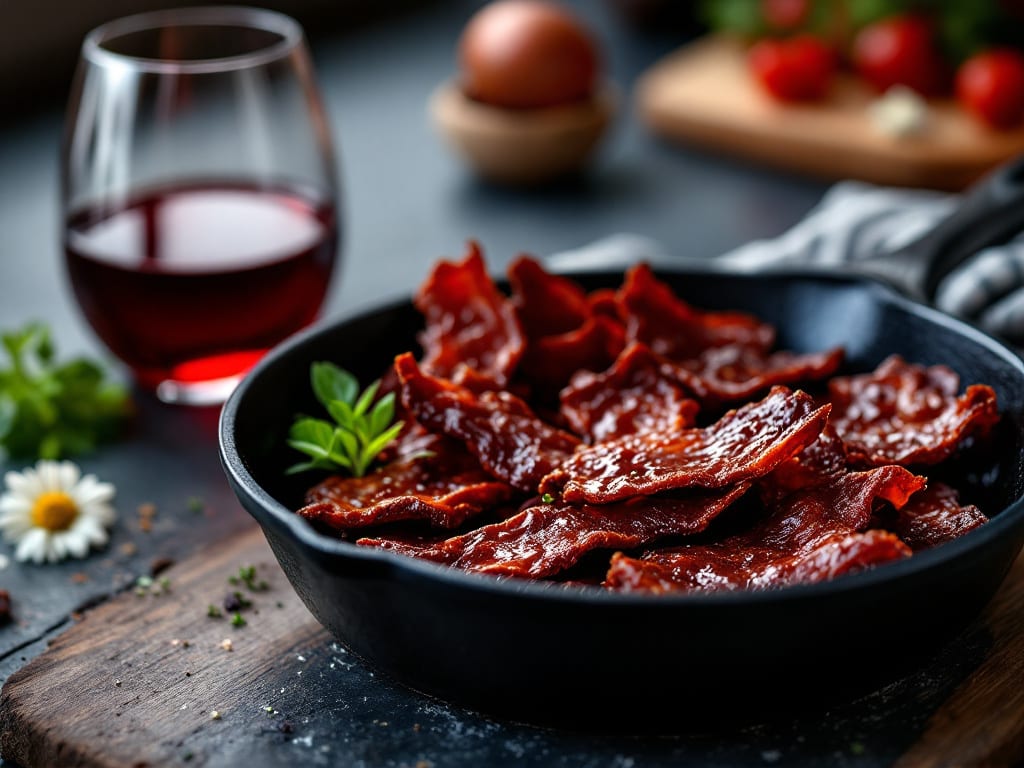
Transforming venison into sweet deer jerky with no added sugar is an art that balances smoky depth and natural sweetness—perfect for hunters who want to preserve their harvest without artificial ingredients.
The key lies in a carefully balanced marinade that enhances the meat’s inherent sweetness while ensuring safe, long-lasting results through proper dehydration. I’ve perfected this method after years of testing, and it consistently delivers jerky that’s addictively flavorful yet naturally sweet.
This recipe transforms thinly sliced deer meat into tender, chewy strips with a subtle sweetness that comes from natural sources like apple cider vinegar and a touch of honey. The process requires precise slicing, thorough marinating, and careful dehydration to achieve that perfect texture—crispy on the edges yet moist inside.
What makes this version truly special is the absence of refined sugar, using instead a blend of spices and natural sweeteners that create a complex, satisfying flavor profile.
By following these steps, you’ll end up with sweet deer jerky that’s ideal for backpacking trips, emergency food supplies, or simply enjoying as a healthy snack. The jerky maintains its quality for months when stored properly, making it a practical and delicious way to preserve your venison harvest.
Each bite delivers that perfect balance of smoky, sweet, and savory notes that make it irresistible. Let’s get started on creating your own batch.
Safety is paramount when handling raw venison, so we’ll cover proper food handling techniques and storage tips to ensure your jerky is both delicious and safe to eat. Whether you’re a seasoned hunter or new to jerky-making, this method delivers professional-quality results with minimal effort.
The end product is a versatile snack that can be enjoyed on its own or added to salads and trail mixes for extra protein and flavor.
Ingredients for sweet deer jerky
Sweet deer jerky magic starts with these 12 simple yet powerful ingredients—no refined sugar needed.
| Ingredient | Amount | Notes |
|---|---|---|
| Venison Meat 🦌 | 2 lb | Thinly sliced against the grain |
| Apple Cider Vinegar 🍎 | ½ cup | Unfiltered for tangy depth |
| Honey 🍯 | ¼ cup | Raw preferred for natural sweetness |
| Smoked Paprika 🌶️ | 2 tbsp | For that authentic smoky flavor |
| Ground Black Pepper 🌶️ | 1 ½ tbsp | Freshly cracked for sharpness |
| Garlic Powder 🧄 | 1 tbsp | Not garlic salt |
| Onion Powder 🧅 | 1 tbsp | For subtle sweetness |
| Ground Cinnamon 🌿 | ½ tbsp | Warmth without overpowering |
| Salt 🧂 | 1 ½ tbsp | Kosher or sea salt |
| Granulated Garlic 🧄 | 1 tsp | For extra punch |
| Cayenne Pepper 🔥 | ½ tsp | Adjust for heat preference |
| Extra-Virgin Olive Oil 🫒 | 2 tbsp | For tenderizing meat |
The venison is the star—look for lean cuts like shoulder or backstraps. Slice it thinly against the grain (about 1/4-inch thick) for that perfect chewy texture. If you’re working with frozen meat, thaw it in the fridge overnight for even slicing. Costco or local butcher shops often have venison at great prices, especially during hunting season. For the honey, raw, unfiltered varieties like Manuka or clover add depth without overpowering. The apple cider vinegar? Go for unpasteurized if possible—it’s got more flavor and natural enzymes that help tenderize the meat during marinating.
No honey? Maple syrup or agave nectar work in a pinch—just reduce the amount slightly since they’re sweeter. Skip the smoked paprika? Liquid smoke at half the amount gives you that smoky kick, but it’s not the same (trust me, I’ve tried). For the spices, Penzeys or bulk bins are your best bet—they stay fresh longer. If you’re sensitive to heat, cut the cayenne to a pinch or swap it for a pinch of red pepper flakes. The olive oil is non-negotiable here—it tenderizes the meat and helps the marinade cling. Use extra-virgin for the best flavor, but any good-quality oil will do in a pinch.
Marinate the venison for at least 12 hours (overnight is ideal) in the fridge—this is where the magic happens. Once dehydrated, store your jerky in airtight containers or vacuum-sealed bags to keep it fresh for up to 6 months at room temperature or 1 year in the freezer. For backpacking, portion it into ziplock bags with oxygen absorbers—they’ll stay good for weeks. The honey and vinegar marinade makes this jerky naturally shelf-stable, but always check for spoilage before eating. Pro tip: Label your containers with the date—trust me, you’ll forget!
Why You’ll Love This Recipe
- No-Fuss Prep: I swear, this takes less time than waiting for takeout. Thin slices, quick marinade—just toss the venison in apple cider vinegar and honey, let it soak while you make coffee. Honestly, the hardest part is resisting the urge to eat it straight from the bowl.
- Sweet-Savory Magic: That honey and smoked paprika combo? It’s like venison got a gourmet makeover. The vinegar cuts through the richness while the paprika adds this warm, smoky depth—crispy outside, tender inside. My kids call it “candy jerky,” but I won’t correct them.
- Hunt-to-Hangout Snack: Perfect for tailgates, camping trips, or just keeping in your gym bag. Between us, it’s also my go-to for quiet nights when I’m too tired to cook but still want something satisfying. The black pepper gives it a little kick, so it’s never boring.
- Zero-Waste Pantry Gem: Uses up leftover venison without breaking the bank. A single batch lasts me weeks—great for meal prep or gifting to neighbors. (Yes, even on a Tuesday night.) And the marinade? You’ll use it all; nothing goes to waste.
Step-by-step instructions for sweet deer jerky
Here’s how to transform lean venison into irresistibly sweet, smoky jerky that’s perfect for snacks or gifts.
Prepare the Marinade Mixture
In a medium bowl, combine the 0.5 cup apple cider vinegar, 0.25 cup honey, 2 tbsp smoked paprika, 1.5 tbsp ground black pepper, 1 tbsp garlic powder, 1 tbsp onion powder, 0.5 tbsp ground cinnamon, 1.5 tbsp salt, 1 tsp granulated garlic, and 0.5 tsp cayenne pepper. Whisk vigorously until the honey and vinegar fully blend, creating a rich, aromatic marinade. The mixture should coat the back of a spoon with a thick, syrupy consistency.
Here’s the thing—this marinade needs to work its magic. The apple cider vinegar tenderizes the venison while the honey adds natural sweetness without refined sugar. The smoked paprika and cinnamon create that signature smoky-sweet flavor profile we’re after. Stir in the 2 tbsp extra-virgin olive oil last, emulsifying it into the mixture until completely incorporated. This oil helps carry the flavors deep into the meat fibers during the marinating process.
Marinate the Venison Perfectly
Place the 2 lb venison meat in a large resealable plastic bag or glass container. Pour the marinade over the meat, ensuring every slice gets coated. Seal the bag or cover the container tightly, then massage the meat gently to distribute the marinade evenly. You’ll notice the meat begins to absorb the liquid immediately—this is when the transformation starts.
Refrigerate the venison for at least 12 hours, but I recommend marinating for 24 hours for maximum flavor penetration. This long marinating time ensures the meat becomes tender and absorbs all those delicious spices. Flip the bag occasionally during marinating to keep the meat submerged in the flavorful liquid. The longer it marinates, the more intense and complex the flavors will become.
Prep for Dehydrating
After marinating, remove the venison from the refrigerator and let it sit at room temperature for 15-20 minutes. This step is crucial—it prevents condensation from forming during dehydration, which could make your jerky soggy. Pat each slice dry with paper towels, removing any excess marinade. The drier the meat, the better it will dehydrate and develop that perfect chewy texture.
Arrange the dried venison slices on your dehydrator trays, leaving about ½ inch between each piece. This spacing allows proper air circulation, which is essential for even drying. If you’re using an oven method, line a baking sheet with parchment paper and arrange the slices in a single layer. The key here is to ensure none of the slices touch—this prevents them from sticking and guarantees consistent drying throughout.
Dehydrate to Perfect Texture
Set your dehydrator to 160°F and place the trays inside. Dehydrate for 6-8 hours, checking periodically to ensure the jerky is drying evenly. You’re looking for jerky that’s slightly flexible but doesn’t bend easily—this is your perfect texture checkpoint. The edges should be completely dry while the center remains slightly moist but not wet.
If you’re using an oven method, preheat to 175°F with the door slightly ajar to allow moisture to escape. Place the baking sheet inside and dehydrate for 3-5 hours, checking frequently. The oven method requires more attention as temperatures can fluctuate. The jerky is done when it’s leathery to the touch and no longer sticky. Real talk: the first time you make jerky, it’s easy to over-dehydrate—watch closely after 5 hours to prevent this.
Test and Store Properly
Remove the jerky from the dehydrator or oven and let it cool completely on a wire rack. Once cooled, test a piece by bending it slightly—it should crack but not break completely. This is the ideal texture for sweet deer jerky. If any pieces feel too moist, return them to the dehydrator for an additional 30-60 minutes until they reach the proper consistency.
Store your finished jerky in an airtight container in the refrigerator for up to 2 weeks or in the freezer for up to 6 months. The flavors will continue to develop over time, becoming even more complex. This sweet deer jerky makes an amazing gift—package it in cellophane bags with a pretty ribbon for a thoughtful present. Each bite delivers that perfect balance of smoky, sweet, and savory flavors that keeps people coming back for more.
Pro Tips For Making Sweet Deer Jerky
- Freeze First, Slice Thin: DESCRIPTION:
- Marinate Overnight, Not Hours: DESCRIPTION:
- Watch the Heat—Start Hot: DESCRIPTION:
- Brush On Honey Last: DESCRIPTION:
Perfect pairings for this recipe
Sweet Beverage Pairings
This smoky-sweet jerky pairs beautifully with iced herbal teas like hibiscus or mint—both complement the cinnamon notes while refreshing your palate. I love brewing a strong cup of Adagio Teas Hibiscus Moon and serving it over ice with lemon slices.
The tartness cuts through the richness perfectly, creating a balanced flavor experience. 🍹
Spiced Coffee Companions
For a morning snack, try pairing your jerky with a spiced chai latte or dark roast coffee with a dash of cinnamon. The warmth of the spices mirrors the cinnamon in the jerky, creating a harmonious flavor connection.
I often make a Starbucks Cinnamon Dolce Latte at home using their syrup for that perfect sweet-spiced balance.
Crispy Trail Mix Blends
Create a backpacking-friendly mix by combining your sweet deer jerky with dried apricots, peanut butter chips, and pumpkin seeds. The natural sweetness of the jerky enhances the dried fruit, while the crunch from the seeds adds texture.
Store in ziplock bags with oxygen absorbers for long-lasting freshness on the trail.
Craft Beer Matches
A honey IPA like New Belgium Fat Tire Amber Ale enhances the natural sweetness while the hop bitterness balances the smoky notes. For a lighter option, try a wheat beer with citrus notes—Allagash White works wonderfully. The effervescence cleanses your palate between each chewy bite of jerky. 🍺
Savory Cheese Boards
Elevate your jerky experience by serving it on a charcuterie board with aged cheddar, blue cheese crumbles, and walnuts. The sharpness of the cheddar contrasts beautifully with the sweet jerky, while the blue cheese adds a creamy depth.
Add a drizzle of fig jam for an extra layer of sweetness that ties everything together.
Sweet-Savory Dips
Serve your jerky with spicy mango salsa or sweet onion dip for a flavor explosion. The acidity in the salsa cuts through the richness, while the caramelized onions in the dip complement the smoky notes.
I make a quick dip by sautéing 1 cup diced onions in 2 tbsp butter until golden, then adding 2 tbsp honey and a pinch of salt. 🌶️
Nutrition facts
Frequently asked questions
Can I use beef or other game meat instead of venison?
While venison is ideal for this recipe, you can absolutely use lean beef cuts like flank steak or top round. For other game meats like elk or bison, the process remains the same, but adjust marinating time to 24-48 hours—they’re often denser. Avoid fatty cuts like pork or lamb, as they won’t dry properly.
Why does my jerky turn out too dry or rubbery?
Over-dehydrating is the most common mistake! Check your jerky after 5 hours—it should bend slightly but not snap. If it’s too dry, try reducing temperature to 150°F next time. For rubbery texture, slice meat thinner (1/8-inch) and marinate longer (48 hours). Always pat slices completely dry before dehydrating.
How do I make this recipe sugar-free?
Replace the honey with 1/4 cup maple syrup or 2 tbsp monk fruit sweetener mixed with 1 tbsp water. For extra sweetness, add 1 tbsp date syrup or 1/2 cup unsweetened applesauce to the marinade. The vinegar and spices will still provide depth, though the flavor profile will be slightly different.
Can I dehydrate the jerky in an oven without a dehydrator?
Yes! Preheat your oven to 175°F with the door slightly open (use a wooden spoon prop) to allow moisture escape. Line a baking sheet with parchment paper and dehydrate for 3-5 hours, checking every 30 minutes. For even drying, rotate trays halfway through. Never exceed 190°F—higher temps create a “cooked” flavor.
How long will homemade jerky last without refrigeration?
Properly made and stored, this jerky stays good for 6-12 months at room temperature in airtight containers or vacuum-sealed bags. For maximum shelf life, add oxygen absorbers** to remove moisture. Test for freshness by checking for mold or off smells—when in doubt, toss it! Freezing extends shelf life to 1 year.

- Breaded Cheese Balls Recipe: Crispy Golden Bites With Gooey Centers - November 29, 2026
- Minced Meat Spaghetti Recipe: One-Pan Italian Comfort with Rich Ragù - November 29, 2026
- Aki’s Guava Chiffon Cake Recipe: Light, Airy Layers with Tropical Flavor Burst - November 29, 2026