
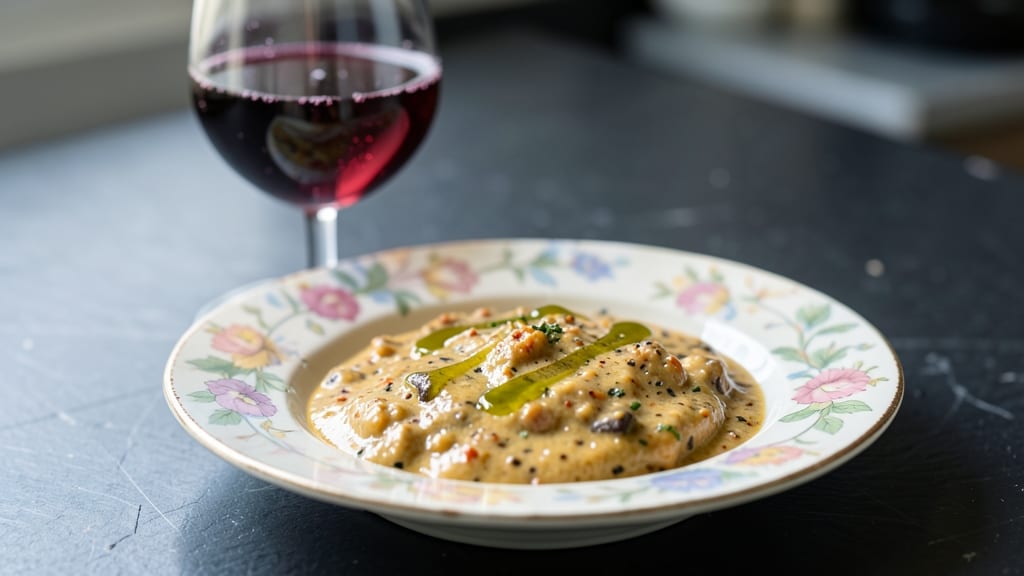
This Asian curry recipe delivers restaurant-quality flavor with a rich coconut milk base that tenderizes chicken perfectly while building layers of aromatic spices. The secret lies in blooming whole spices in hot oil before adding the curry paste—this unlocks their full depth and creates a sauce that’s velvety yet complex.
I’ve perfected this method over years of testing, ensuring every bite delivers that perfect balance of creamy, spicy, and umami notes that defines great Asian curries.
The process begins with a simple but critical step: browning the chicken in batches to develop flavor without overcrowding the pan. A blend of coconut milk and chicken broth creates the ideal base—creamy enough to coat the rice beautifully while maintaining enough body to carry the spices.
What sets this apart is the two-stage cooking method: first simmering the curry paste to remove raw flavors, then adding the coconut milk to create a sauce that’s rich yet light.
By the time you serve this dish, you’ll have perfectly tender chicken swimming in a glossy, aromatic sauce with just the right amount of heat. The sauce clings to each piece of chicken and coats every grain of rice, creating a meal that’s both comforting and sophisticated.
This is the kind of curry that makes weeknight dinners feel like a special occasion without requiring hours in the kitchen.
Serve it with steamed jasmine rice and a side of cucumber salad to balance the richness, or offer naan for those who prefer a heartier option. The recipe scales easily for crowds, and leftovers reheat beautifully—making it perfect for meal prep.
Let’s get started on creating this fragrant, flavorful curry that will become your new weeknight staple.
Ingredients for asian curry
These 15 ingredients create a restaurant-worthy curry with tender chicken and velvety coconut sauce.
| Ingredient | Amount | Notes |
|---|---|---|
| Boneless Chicken Thighs 🍗 | 1 ½ lb | Cut into 1-inch pieces |
| Full-Fat Coconut Milk 🥛 | 1 can | 13.5 oz can, unsweetened |
| Chicken Broth 💧 | 1 cup | Low-sodium preferred |
| Red Curry Paste 🌶️ | 2 tbsp | High-quality brand preferred |
| Vegetable Oil 🫒 | 2 tbsp | For blooming spices |
| Yellow Onion 🧅 | 1 whole | Finely chopped |
| Fresh Ginger 🧄 | 2 tbsp | Grated, peeled |
| Garlic Cloves 🧄 | 4 cloves | Minced |
| Lemon Juice 🍋 | 1 tbsp | Freshly squeezed |
| Fish Sauce 🍶 | 1 tbsp | High-quality brand |
| Brown Sugar 🍚 | 1 tbsp | Light or dark |
| Salt 🧂 | 1 tsp | Adjust to taste |
| Black Pepper 🌶️ | ½ tsp | Freshly ground |
| Cilantro Leaves 🌿 | ¼ cup | Chopped, for garnish |
| Thai Basil Leaves 🌿 | 0.15 cup | Optional garnish |
The coconut milk is the heart of this curry—look for full-fat cans like Thai Kitchen or Aroy-D, which deliver that rich, creamy texture. Costco or Asian markets often carry high-quality brands at better prices. Fresh ginger and garlic are non-negotiable here; buy organic if possible to avoid bitter flavors. The red curry paste makes all the difference—Maesri or Mae Ploy are my go-tos, but any good-quality paste will work. For the chicken, thighs stay juicier than breasts, especially when braised in the sauce. If you can’t find boneless thighs, bone-in with skin-on works too—just adjust cooking time.
No coconut milk? Substitute with light coconut milk plus 1 tbsp cream for richness. Fresh ginger too strong? Use 1 tsp ground ginger at half the amount, but you’ll lose some complexity. Short on fish sauce? Soy sauce or Worcestershire at 1.5x the amount works in a pinch. The brown sugar can be swapped for white sugar, but it adds subtle caramel notes that balance the heat. For a vegetarian version, swap chicken for extra-firm tofu pressed and cubed. The curry paste can be homemade if you’re ambitious—just blend red chilies, lemongrass, galangal, garlic, and shallots with a bit of oil.
This curry reheats beautifully—simmer gently for 5 minutes to restore creaminess. Keeps 4-5 days in the fridge, freezes for 3 months. Double the batch and freeze portions for quick weeknight meals. For serving, I always garnish with fresh cilantro and Thai basil if available. The sauce thickens as it cools, so add a splash of broth or water when reheating. Store leftover sauce separately if you prefer it less thick—just stir in extra broth when reheating.
Why You’ll Love This Recipe
- One-Pot Magic: I swear by this recipe—just brown the chicken, toss in the curry paste, then pour in the coconut milk and broth. No extra pans, no fuss, and honestly? That rich, fragrant steam fills the kitchen while you wait.
- Creamy & Spicy Balance: Between us, the full-fat coconut milk makes this ridiculously velvety, but the red curry paste adds just enough heat to wake up your taste buds. That crispy chicken skin? Chef’s kiss.
- Meal Prep MVP: This curry actually tastes better the next day—yes, really. I double the batch on Sundays, portion it out, and reheat it for lunches all week. The flavors meld perfectly overnight, and it’s my secret weapon for lazy afternoons.
- Budget-Friendly Luxury: Chicken thighs are forgiving and cheap, and coconut milk stretches far with broth. I’ll be real: it feels like a fancy restaurant dish, but my wallet doesn’t flinch. Plus, the leftovers? Always gone before they’re gone.
Step-by-step instructions for Asian curry recipe
Here’s the method for creating a rich, aromatic curry where tender chicken meets velvety coconut milk.
Prepare the Chicken and Aromatics
Cut the 1.5 lb boneless chicken thighs into 1-inch pieces for even cooking. In a large skillet, heat 2 tablespoons vegetable oil over medium-high heat until shimmering. Add the chicken pieces in a single layer and cook undisturbed for 4-5 minutes until lightly browned on all sides. This initial sear locks in juices and builds flavor.
While the chicken cooks, finely chop the whole yellow onion and grate the 2 tablespoons fresh ginger. Mince the 4 cloves garlic cloves and set aside. These aromatics will form the flavor foundation of your curry. The onion should be small enough to dissolve completely into the sauce—no large chunks remaining.
Bloom the Curry Paste
Reduce the heat to medium and add the 2 tablespoons red curry paste to the skillet with the browned chicken. Stir constantly for 1-2 minutes until the paste darkens slightly and becomes fragrant. This step, called blooming, releases the essential oils in the spices and prevents them from tasting raw.
Immediately add the chopped onion, grated ginger, and minced garlic. Cook for another 3-4 minutes until the onion softens and becomes translucent. You’ll notice the mixture darkens further as the spices deepen in flavor. This is where the curry develops its signature aroma—don’t rush this step.
Build the Coconut Milk Base
Pour in the 1 can full-fat coconut milk and stir vigorously to combine with the spiced chicken mixture. Add the 1 cup chicken broth, 1 tablespoon brown sugar, 1 tablespoon fish sauce, 1 teaspoon salt, and 0.5 teaspoon black pepper. The coconut milk will immediately begin to simmer as it heats through.
Bring the mixture to a gentle boil, then reduce heat to low and let it simmer uncovered for 20-25 minutes. Stir occasionally to prevent sticking. You’re looking for the sauce to reduce slightly and thicken enough to coat the back of a spoon. The chicken should be fork-tender at this point—press a piece to test. If it’s still firm, continue simmering for another 5 minutes.
Finish and Garnish
Once the chicken is tender, stir in the 1 tablespoon lemon juice. This brightens the flavors and balances the richness of the coconut milk. Taste and adjust seasoning if needed—you may want to add a bit more fish sauce for saltiness or lemon juice for acidity. The sauce should be well-balanced with sweet, spicy, salty, and tangy notes.
Remove from heat and let the curry rest for 5 minutes. This allows the flavors to meld completely. Garnish with 0.25 cup chopped cilantro leaves and 0.15 cup Thai basil leaves just before serving. The herbs add freshness and visual appeal. Serve immediately over steamed jasmine rice to soak up every bit of that fragrant sauce.
Pro Tips For Making Asian Curry
- Bloom the Paste First: Toss your red curry paste into the oil and let it sizzle for 3-4 minutes until it darkens and smells like a Thai market—this deepens the flavors way more than just stirring it in later. I used to skip this, and the curry always tasted like it needed more “something,” until I realized the paste needs time to wake up.
- Pat Chicken Dry: Wipe those chicken thighs with paper towels before searing—wet skin steams instead of browns, and you’ll end up with soggy curry. I learned this after making curry where the chicken just sat there, pale and sad, while the sauce got all rich and golden.
- Simmer, Don’t Boil: Once you add the coconut milk, keep the heat low enough that tiny bubbles just gently break the surface—no rolling boil, or you’ll split the milk and end up with a greasy mess. My first curry looked like a science experiment gone wrong, and that’s when I realized patience here is everything.
- Stir in Broth Last: Wait until the paste and coconut milk have cooked together for 5-7 minutes before adding the broth—this lets the curry build layers of flavor first. I used to dump everything in at once, and the broth just diluted the sauce without letting it develop. Now it’s rich, balanced, and actually tastes like it’s been simmering for hours.
Make-ahead tips for this dish
Prep Ahead Strategy
Start by prepping all aromatics and chicken the night before. Chop the yellow onion and grate the fresh ginger—store in airtight containers in the fridge. Cut the chicken thighs into 1-inch pieces and refrigerate uncovered for 1 hour to dry slightly, ensuring better browning.
This step saves 20 minutes of prep day-of and intensifies flavor. 💪
Sauce Base Prep
Make the curry paste mixture ahead by combining 2 tbsp red curry paste, 1 tbsp brown sugar, 1 tbsp fish sauce, and 1 cup chicken broth in a bowl. Store in the fridge for up to 2 days.
When ready to cook, simply heat this mixture with the chicken and coconut milk—this shortcut maintains all the depth without sacrificing flavor. The paste will bloom beautifully when heated.
Freezer-Friendly Components
For long-term meal prep, freeze the cooked curry sauce separately from the chicken. After Step 3 in the instructions, remove the chicken and refrigerate it separately. Freeze the sauce in quart-sized freezer bags (leave 1-inch headspace for expansion).
Thaw overnight in the fridge, then reheat with the chicken. The sauce reheats beautifully—just add a splash of broth if it thickens too much. 🍶
Rice Prep Shortcut
Cook a big batch of jasmine rice and refrigerate in an airtight container for up to 3 days. Reheat portions in the microwave with 1 tbsp water per cup of rice for 1-2 minutes.
For extra flavor, mix in 1 tsp toasted sesame oil or a pinch of salt before reheating. This ensures your rice stays fluffy and ready to pair perfectly with the curry. ✨
Sauce Thickening Hack
If your curry sauce thickens too much while reheating, stir in 1-2 tbsp coconut milk or chicken broth to restore creaminess. For meal prep, I like to keep the sauce slightly thinner when freezing—this prevents it from becoming gluey.
When reheating, add liquid gradually until you reach your desired consistency. The sauce should coat the back of a spoon but still be pourable. 🥛
Garnish Freshness Tip
Store fresh garnishes like cilantro and Thai basil in airtight containers with a paper towel to absorb moisture. Keep them refrigerated and add them just before serving to maintain vibrant color and fresh flavor.
For a dried alternative, toast 1 tsp dried basil or ½ tsp dried cilantro and sprinkle on top—it adds depth without freshness. 🌿
Nutrition facts
Frequently asked questions
Can I make this curry vegetarian?
Replace the chicken with extra-firm tofu pressed and cubed for 20 minutes before cooking. For extra flavor, marinate the tofu in 1 tbsp soy sauce and 1 tbsp maple syrup for 15 minutes before adding to the curry. The sauce will still cling beautifully to the tofu pieces.
How can I adjust the spice level?
If you prefer milder heat, reduce the curry paste to 1.5 tbsp and add ½ tsp extra brown sugar to balance. For more spice, increase the paste to 2.5 tbsp and stir in ½ tsp red pepper flakes at the end. Always taste before serving—you can adjust with more coconut milk or lemon juice to balance.
Why did my curry sauce split?
This happens when coconut milk separates due to sudden temperature changes. To fix it, whisk in 1 tbsp cornstarch mixed with 2 tbsp water and simmer for 2 minutes until smooth. For prevention, add coconut milk gradually while stirring constantly over low heat. The sauce should thicken gently, not boil vigorously.
What’s the best rice to serve with this?
Jasmine rice is ideal—its fragrant aroma complements the curry perfectly. For extra fluffiness, rinse the rice 2-3 times before cooking. Basmati rice works too, but jasmine’s natural sweetness enhances the dish. Avoid long-grain rice like basmati if you prefer stickier grains that hold sauce better.
Can I use coconut milk powder instead of canned?
Not recommended—coconut milk powder lacks the creamy texture and fat content needed for authentic flavor. If you must substitute, mix ½ cup powdered coconut milk with ½ cup water to mimic canned milk, but expect a thinner sauce. For best results, stick with full-fat canned coconut milk for that rich, velvety consistency.

- 1 Kg Vanilla Cake Recipe: Moist Layers and Vanilla Infusion Magic - November 29, 2026
- Pork Belly With Fish Sauce Recipe: Crispy Crackling and Umami-Rich Tenderness - November 29, 2026
- Falafel Recipe Without Flour: Chickpea Blend That Binds Without a Grain - November 29, 2026