
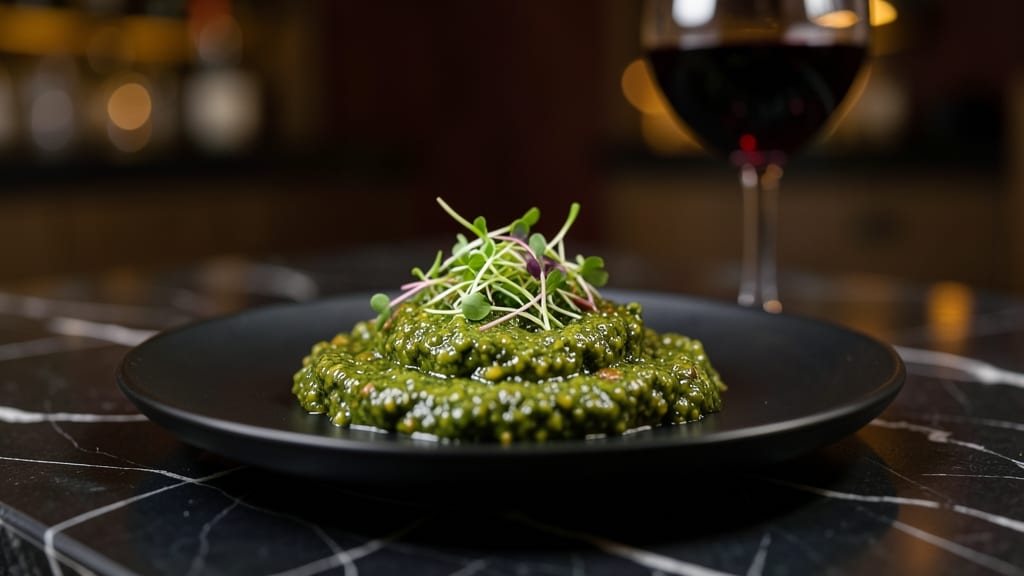
This authentic Argentinian chimichurri recipe delivers the vibrant, herb-packed sauce that transforms grilled meats into unforgettable dishes. The secret lies in fresh parsley, garlic, and red wine vinegar blended with olive oil—no dried spices allowed.
I’ve perfected this version after years of testing, ensuring every bite carries that signature tangy, green brightness.
The beauty of chimichurri is its simplicity: just 6 ingredients, no cooking required. The key is using fresh cilantro and oregano alongside parsley for depth, while the vinegar and garlic create that signature tang.
This sauce keeps well in the fridge for up to a week, making it perfect for meal prep or spontaneous grilling sessions.
What makes this chimichurri truly special is how it elevates grilled meats—think steak, chicken, or even vegetables. The herbs infuse the meat with flavor without overpowering it, while the oil keeps the sauce clinging to every bite. Once you try this, store-bought versions will never compare again.
Pair it with grilled skirt steak, chicken, or even roasted vegetables for an authentic Argentinian experience. Let’s make this sauce—the heart of every great asado.
Ingredients for authentic argentinian chimichurri
Six vibrant ingredients transform into the iconic Argentinian chimichurri sauce, perfect for grilled meats.
| Ingredient | Amount | Notes |
|---|---|---|
| Fresh Flat-Leaf Parsley 🌿 | 1 ½ cups | Stems removed, tightly packed |
| Fresh Cilantro 🌱 | ½ cup | Stems removed, vibrant green |
| Fresh Oregano 🌿 | ¼ cup | Leaves only, not stems |
| Garlic Cloves 🧄 | 6 cloves | Peeled, slightly crushed |
| Red Wine Vinegar 🍷 | ¼ cup | High-quality, aged |
| Extra-Virgin Olive Oil 🫒 | ¾ cup | Fruity, not bitter |
| Diamond Crystal Kosher Salt 🧂 | ½ tsp | Fine grain preferred |
| Ground Black Pepper 🌶️ | ¼ tsp | Freshly ground |
The herbs are non-negotiable for authenticity. Fresh flat-leaf parsley dominates, but cilantro and oregano add depth—skip dried versions, as they lack the bright, fresh character. Source your herbs from trusted markets; Whole Foods or local farmers’ markets often carry the freshest, most flavorful varieties. Look for parsley with tightly packed leaves and cilantro without yellowing stems. For garlic, Spanish or Italian varieties provide the most robust flavor when slightly crushed before blending. The vinegar should be aged and high-quality—Balsamic vinegar can substitute in a pinch, though it alters the signature tang.
No cilantro? Substitute with more parsley or fresh dill, though the flavor profile shifts slightly. Short on oregano? Dried oregano at one-third the amount works, but fresh is ideal. For a deeper garlic flavor, roast the cloves before blending—this adds a subtle sweetness. The olive oil must be extra-virgin; lower-quality oils can make the sauce taste bitter. If you prefer a smoother texture, strain the sauce through a fine-mesh sieve after blending, though purists argue the natural texture enhances authenticity. For a milder version, reduce the garlic to 4 cloves or omit the black pepper entirely.
This chimichurri maintains peak freshness for 5-7 days when stored in an airtight container in the refrigerator. To extend shelf life, submerge the sauce in olive oil before sealing, creating a protective barrier. Freeze in ice cube trays for up to 3 months—thaw overnight in the fridge before use. For best results, blend fresh portions every 3-4 days, as the herbs lose vibrancy over time. The sauce pairs exceptionally well with grilled skirt steak, chicken, or even roasted vegetables, elevating their natural flavors.
Why You’ll Love This Recipe
- No-Fuss Freshness: I swear by this recipe because it’s all about the herbs—no cooking, no waiting. Just chop parsley, cilantro, and oregano, toss with garlic and vinegar, and let it sit. That’s it. The longer it rests, the brighter the flavors get, but even 10 minutes later, it’s ridiculously good.
- Garlic-Herb Magic: Between us, the garlic and oregano combo is what makes this chimichurri dangerously addictive. The vinegar cuts through the richness, while the parsley keeps it fresh and bright. It’s the kind of flavor that turns a simple grilled steak into something you’d pay for at a fancy restaurant.
- Weeknight Wonder: This stuff works everywhere—drizzled over grilled chicken, tossed with roasted veggies, or even stirred into eggs for breakfast. Honestly, I’ve used it as a marinade, a salad dressing, and even a quick pasta sauce. It’s my go-to for when I’m too tired to think but still want flavor.
- Lasts All Week: I make a big batch on Sundays and it’s still vibrant by Friday. Store it in a jar in the fridge, and it keeps for days without losing its punch. Plus, the ingredients are cheap—herbs, garlic, and vinegar? You’re not breaking the bank, and you’ll have leftovers for multiple meals.
Step-by-step instructions for authentic Argentinian chimichurri
This traditional herb sauce delivers vibrant flavor that elevates grilled meats to restaurant quality.
Prepare the Herb Base
In a food processor fitted with the metal blade, combine the 1.5 cups fresh flat-leaf parsley, 0.5 cup fresh cilantro, and 0.25 cup fresh oregano. Pulse in short bursts until the herbs are finely chopped but not completely puréed—you want visible texture, not a smooth paste. This ensures the chimichurri maintains its signature rustic character rather than becoming a uniform sauce.
Here’s the thing—don’t over-process the herbs. You’re aiming for a coarse chop, not a fine powder. If you pulse too long, the sauce will lose its bright herbal notes and become muddy. Stop when the mixture resembles coarse sand with visible herb flecks. The texture should be rough enough to cling to grilled meat without dissolving immediately.
Incorporate Garlic and Vinegar
Add the 6 peeled garlic cloves and 0.25 cup red wine vinegar to the food processor. Pulse again in short bursts until the garlic is finely minced but the herbs remain textured. The vinegar will begin to release its acidity, which is essential for balancing the richness of the olive oil and the intensity of the herbs.
This is where the authentic flavor profile comes together. The vinegar not only adds tang but also helps emulsify the oil later. Don’t skip this step—some recipes omit vinegar, but traditional chimichurri relies on it for that signature bright acidity. The mixture should now have a vibrant green color with visible herb pieces and crushed garlic.
Finish with Oil and Seasonings
With the food processor running, slowly drizzle in the 0.75 cup extra-virgin olive oil through the feed tube. This gradual addition prevents the sauce from separating and creates a proper emulsion. Continue processing until the oil is fully incorporated and the mixture resembles a thick, chunky paste with a glossy sheen.
Transfer the chimichurri to a bowl and stir in the 0.5 tsp diamond crystal kosher salt and 0.25 tsp freshly ground black pepper. Taste immediately—you should notice a bright herbal punch with balanced acidity and just a hint of garlic sharpness. The salt should enhance all the flavors without overwhelming them. If the sauce tastes too acidic, add a small amount of olive oil to mellow it out.
Rest and Adjust for Perfection
Cover the chimichurri and let it rest at room temperature for at least 30 minutes before serving. This resting period allows the flavors to meld and the herbs to release their full aromatic potential. The sauce will thicken slightly as it sits, which is ideal for drizzling over grilled meats.
Before serving, give the chimichurri one final taste and adjust the seasoning if needed. Traditional chimichurri is bold and herb-forward, so don’t be afraid to add more salt or pepper if your taste buds crave it. The sauce should be vibrant green, thick enough to cling but loose enough to drizzle easily. Serve immediately over grilled meats or store in the refrigerator for up to 5 days, though it’s best used fresh.
Pro Tips For Making Authentic Argentinian Chimichurri
- STACK THE GARLIC RIGHT: Use whole cloves, lightly smashed—not minced—so they infuse flavor without turning the chimichurri bitter. I learned this the hard way after a batch tasted like garlic paste. Crush them just enough to bruise the skin, then let them sit in the vinegar for 10 minutes before blending.
- CHOPPING ORDER MATTERS: Start with the parsley stems (yes, use them) and cilantro roots—this gives the chimichurri body. Pulse the herbs in a food processor in batches, then add vinegar and garlic. Overloading the bowl makes it watery; work in small batches if needed.
- SALT THE VINEGAR FIRST: Add ½ teaspoon of salt directly to the red wine vinegar before blending. This balances acidity and enhances the herbs’ brightness. Skipping this step means your chimichurri tastes sharp and one-dimensional—like forgetting to season the meat before grilling.
- REST THE CHIMICHURI: Let it sit for at least 30 minutes after blending. The flavors meld like a good asado—herbs soften, garlic mellows, and the vinegar integrates. I used to serve it immediately, thinking it was “freshest,” but it lacked depth. Patience here makes all the difference.
Creative variations of authentic argentinian chimichurri
Argentinian Steakhouse Style
This is the chimichurri you’ll find at Buenos Aires parrillas—bold, herb-forward, and designed specifically for grilled skirt steak or flank steak. The secret here is using Spanish paprika (½ tsp) in addition to the standard ingredients.
Toast the paprika in a dry pan for 30 seconds until fragrant, then blend it into the sauce. Serve with provoleta (grilled provolone) for the ultimate asado experience. 🔥
Smoky BBQ Fusion
For a smoky twist, add 1 tbsp smoked paprika and 1 tsp chipotle powder to the base blend before processing. This version pairs perfectly with smoked brisket or pulled pork sandwiches.
I like to finish it with a drizzle of hot honey (2 tbsp) for a sweet-heat balance that’s addictive. The smoky depth makes it ideal for backyard cookouts or game day spreads. 💫
Vegetarian-Friendly Version
Skip the meat entirely and use this chimichurri as a vibrant marinade for portobello mushrooms or eggplant steaks. Add 1 tbsp lemon zest and 1 tsp red pepper flakes to the blend for extra brightness.
Grill the vegetables for 8-10 minutes per side, then drizzle generously with the chimichurri. This version works beautifully as a hearty vegetarian main or alongside grilled halloumi. 🌱
Spicy Chimichurri
For heat lovers, blend in 1 tbsp fresh habanero or serrano peppers (seeds removed) with the herbs. The spice mellows as it sits, but the sauce will deliver a lingering kick.
I recommend serving this with grilled chicken thighs or shrimp skewers—the fat in the meat helps balance the heat. Start with ½ tsp and adjust to taste, as fresh peppers can vary in intensity. 🌶️
Creamy Chimichurri
For a richer texture, stir in 2 tbsp crumbled feta cheese or 1 tbsp sour cream after blending. This version pairs wonderfully with grilled lamb chops or fish like branzino. The creaminess mellows the acidity while adding a luxurious mouthfeel.
Keep the portion small—too much can make the sauce heavy, so use it as a finishing drizzle rather than a marinade. 💛
Herb Variations
Swap out cilantro for fresh dill (½ cup) and add 1 tbsp lemon thyme for a Mediterranean twist. This version works beautifully with grilled halloumi or shrimp scampi.
For a more robust flavor, include 1 tbsp fresh tarragon alongside the parsley and oregano. Each herb brings a unique profile, so experiment to find your favorite combination. ✨
Nutrition facts
Frequently asked questions
Can I make chimichurri without a food processor?
Use a sharp chef’s knife to finely chop the herbs—aim for a coarse texture with visible flecks. Pulse the garlic and vinegar in a mortar and pestle, then whisk everything together with the olive oil. The texture will be slightly chunkier but still delicious. For best results, let it sit for 15 minutes before serving to allow flavors to meld.
Why does my chimichurri taste too acidic?
Too much vinegar or using a lower-quality vinegar can make chimichurri taste sharp. Balance it by adding 1-2 tablespoons of extra olive oil to mellow the acidity. If needed, stir in a pinch of sugar (¼ tsp) to soften the tang—just don’t overdo it, as chimichurri should remain bright and herb-forward.
How do I know when my chimichurri is ready?
It’s ready when the herbs are finely chopped but still textured, the garlic is minced but visible, and the sauce has a glossy sheen from the oil. Taste it immediately after blending—it should be vibrant, tangy, and herb-forward with no raw garlic bite. If the texture is too thin, let it rest for 30 minutes in the fridge to thicken naturally.
Can I use dried herbs instead of fresh?
Fresh herbs are non-negotiable for authentic chimichurri—they provide the bright, aromatic flavor that dried versions can’t match. If you must use dried, reduce the amount to 1/3 the fresh measurement (e.g., 1 tbsp dried parsley instead of 1/3 cup fresh) and add 1 tsp sugar to compensate for the lack of freshness. The texture will also be finer, losing the rustic charm of traditional chimichurri.
What’s the best way to store chimichurri?
Store it in an airtight container in the fridge for up to 5-7 days, submerged in olive oil to preserve freshness. For longer storage, freeze in ice cube trays for 3 months—thaw overnight in the fridge before use. Avoid storing it in metal containers, as the acidity can react with the metal and alter the flavor.

- Broccili Salad Recipe: Crunchy, Creamy, and Crowd-Pleasing - November 29, 2026
- Rum Simple Syrup Recipe: Balanced Sweetness for Cocktails and Desserts - November 29, 2026
- Avocado Cloud Bread Recipe: Light, Fluffy, and Egg-Free Magic - November 29, 2026