
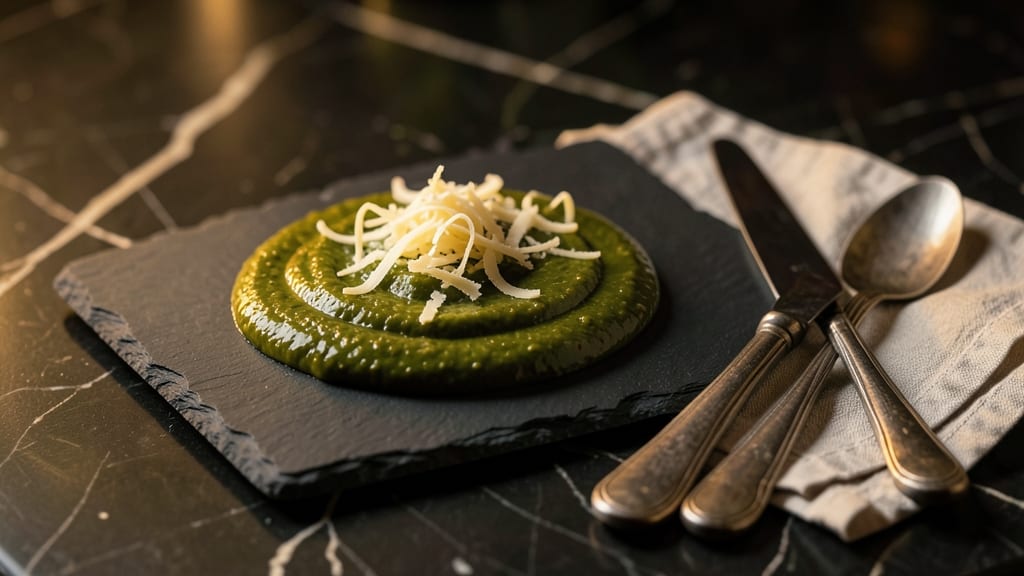
This poblano pepper sauce recipe transforms smoky roasted peppers into a velvety, earthy condiment that elevates everything from tacos to grilled meats.
After perfecting the technique over years of testing, I’ve found the key lies in charring the peppers just enough to deepen their natural sweetness while preserving their subtle heat. The result? A sauce that’s rich, slightly tangy, and complex enough to stand alone or complement bold flavors.
The process starts with roasting poblano peppers until their skins blacken—this step unlocks their smoky depth, which blends seamlessly with garlic, olive oil, and a touch of acid (like lime or vinegar).
For extra creaminess, a splash of yogurt or sour cream rounds out the texture, creating a sauce that’s smooth yet vibrant. Unlike store-bought versions, this one delivers layers of flavor you won’t find in jars, all while being simple enough for weeknight cooking.
What you’ll end up with is a versatile sauce that’s perfect for drizzling over grilled chicken, mixing into dressings, or serving as a dip with warm tortilla chips. The smoky-sweet profile pairs beautifully with spicy dishes, balancing heat without overpowering.
Best of all, it keeps well in the fridge for up to a week or freezes for months—ideal for meal prep or gifting.
Whether you’re serving tacos, topping avocado toast, or drizzling over roasted vegetables, this poblano pepper sauce adds a professional touch to any dish. Ready to make it? Let’s get started with the ingredients and steps—it’s easier than you think.
Ingredients for poblano pepper sauce
Eight simple ingredients transform charred poblano peppers into a velvety sauce with smoky-sweet depth.
| Ingredient | Amount | Notes |
|---|---|---|
| Poblano Peppers 🌶️ | 4 whole | Fresh, medium-sized, charred |
| Extra-Virgin Olive Oil 🫒 | ½ cup | High-quality, fruity variety |
| Garlic Cloves 🧄 | 4 cloves | Fresh, peeled, lightly toasted |
| Plain Greek Yogurt 🥛 | ¼ cup | Full-fat for creaminess |
| Lime Juice 🍋 | 2 tbsp | Freshly squeezed, strained |
| Apple Cider Vinegar 🍯 | 1 tbsp | For tangy brightness |
| Salt 🧂 | ½ tsp | Diamond Crystal kosher |
| Ground Black Pepper 🌶️ | ¼ tsp | Freshly cracked |
| Cumin Seeds 🌿 | ½ tsp | Toasted for aroma |
| Water 💧 | ¼ cup | For thinning if needed |
The poblano peppers are the star—look for firm, glossy-skinned ones at the grocery store, preferably from the Latin market if available. Their mild heat and sweetness develop into complex flavor when charred. Whole Foods often carries them year-round, but regular supermarkets usually stock them in summer. Char them directly over a gas flame or under a broiler until blackened all over—this step unlocks their smoky potential. If you can’t find poblano peppers, ancho chiles rehydrated in warm water work as a substitute, though they’ll lack the fresh charred depth.
No Greek yogurt? Sour cream or crème fraîche both work beautifully—they add creaminess without overpowering. The lime juice is crucial for brightness, but if you’re out, lemon juice at the same amount will do. Want extra depth? Add a pinch of smoked paprika or a dash of fish sauce for umami. The cumin seeds should be toasted in a dry pan for 30 seconds until fragrant—this releases their aroma. For a smoother texture, blend the sauce longer, but leave it slightly chunky to preserve the poblano’s natural texture. Trader Joe’s carries pre-charred poblano peppers in jars during peak season if you’re short on time.
This sauce keeps beautifully in an airtight container in the fridge for up to 1 week, though it tastes even better the next day as flavors meld. For longer storage, freeze in ice cube trays—perfect for single-use portions. The yogurt may separate slightly when refrigerated; just give it a quick stir before using. Double the batch if you’re planning to use it over multiple meals—it disappears fast on tacos, grilled meats, or as a dip with tortilla chips. The sauce also freezes well for 3 months, maintaining its vibrant color and rich flavor.
Why You’ll Love This Recipe
- No Char Required: I roast poblanos straight on the stove—no grill, no fancy tools—just a dry pan and 10 minutes. The skin blisters and darkens just enough to make peeling a breeze, and that smoky aroma fills the kitchen before you even start blending.
- Creamy Heat Balance: That Greek yogurt smooths out the poblanos’ earthy kick while lime juice cuts through the richness—like a cool sip of water after a spicy bite. Honestly, the first time I tasted it, I immediately drizzled it over everything in sight.
- Weeknight Superstar: Slather it on grilled chicken, mix it into rice, or dollop it on avocado toast—it’s my go-to when I’m too tired to cook but still want flavor. (Yes, even on a Tuesday night when takeout feels like a chore.)
- Leftovers That Last: A batch keeps for five days in the fridge, and the flavor only deepens. I freeze half in ice cube trays for quick single-serving boosts—perfect for when I’m too lazy to roast another pepper.
Step-by-step instructions for poblano pepper sauce
This sauce builds deep, smoky flavor through precise charring and balancing techniques.
Char the Poblano Peppers Over Direct Heat
Heat a gas burner or grill to medium-high. Place the 4 whole poblano peppers directly over the flame, turning occasionally, until the skin blisters and chars in patches—about 10-12 minutes total. You’ll see dark blackened areas develop, which is exactly what we want for that authentic smoky depth.
For a more even char, you can also use a broiler: place peppers on a baking sheet 3-4 inches from the heat source and broil for 8-10 minutes, turning frequently. The peppers should smell slightly burnt—that’s the aroma of caramelizing sugars and developing flavor. Let them cool slightly before handling.
Toast the Cumin Seeds and Garlic
In a dry skillet over medium heat, toast the 0.5 teaspoon cumin seeds for 1-2 minutes until fragrant and lightly browned. Immediately transfer them to a small bowl to stop cooking. The aroma should fill your kitchen—this is where the sauce gets its earthy complexity.
In the same skillet, add the 4 cloves garlic and toast for 30 seconds until golden at the edges. Be careful not to burn them—garlic turns bitter quickly. Remove from heat and let cool for 1 minute before transferring to a cutting board.
Blister and Peel the Charred Peppers
Return the charred peppers to the skillet (no oil needed—they’ll release their own juices). Cook for an additional 2-3 minutes until the skins blister dramatically. This step intensifies the smoky flavor and makes peeling easier.
Transfer the peppers to a bowl, cover with a clean kitchen towel, and let steam for 10 minutes. The steam helps loosen the skins. Then, peel off the charred skins using your fingers or a knife. Discard the skins and remove stems. You should have about 1 cup of charred pepper flesh—this is the flavor foundation of your sauce.
Blend All Ingredients for Creamy Texture
In a blender, combine the charred poblano peppers, toasted cumin seeds, toasted garlic cloves, 0.5 cup extra-virgin olive oil, 0.25 cup plain Greek yogurt, 2 tablespoons lime juice, and 1 tablespoon apple cider vinegar. Blend on high for 30-45 seconds until completely smooth.
Taste and adjust seasoning with the 0.5 teaspoon salt and 0.25 teaspoon ground black pepper. The sauce should balance smoky heat with creamy tang. If it’s too thick, add the 0.25 cup water 1 tablespoon at a time until you reach a pourable consistency—about 1-2 tablespoons should suffice.
Pro Tips For Making Poblano Pepper Sauce
- CHAR PEPPERS FIRST: Blister the poblanos directly over a gas flame (or under a broiler) until their skins blacken and pucker—this takes about 8-10 minutes total, flipping occasionally. I used to rush this and end up with peppers that charred unevenly, making the sauce bitter. Get them fully blackened so they peel like silk.
- PEEL WHILE STEAMING: Fill a bowl with hot (not boiling) water, drop in the charred poblanos, cover with a towel, and let them sit for 10 minutes. The steam loosens the skin so badly you’ll slide it off in one piece—no scraping or scrubbing required. If you’re impatient, you’ll waste time picking at stubborn patches.
- GARLIC: SMASH DON’T MINCE: Use a heavy knife or the flat side of your chef’s knife to smash the garlic cloves into a paste right in the pan with the olive oil—this prevents burning and releases more flavor. I learned this the hard way after burning three batches of garlic into bitter sludge. Let it cook low and slow until fragrant but not golden.
- YOGURT: TEMPER IT: Whisk the yogurt into the warm (not hot) sauce last—if it hits boiling liquid, it’ll curdle into a grainy mess. Mix in a splash of the sauce first, then fold it in gently while stirring constantly. This keeps the texture creamy, even if you’re adding it off the heat. No one wants lumpy sauce.
Flavor customization for this recipe
Smoky Heat Levels
Adjust the heat to your preference by controlling the char on the poblano peppers. For mild heat, char them just until the skin blackens in spots and blisters slightly—this preserves their natural sweetness. For medium heat, roast them until fully blackened all over, then peel and blend.
If you want spicy intensity, add 1-2 tablespoons of adobo sauce (from canned chipotles) to the blend—this adds deep, smoky heat. I like to start with medium heat and adjust by adding more charred peppers if needed. 🌶️
Creamy vs. Chunky
Blend the sauce until completely smooth for a silky, restaurant-quality texture, ideal for drizzling over grilled meats or tacos. For a chunky version, pulse the blender in short bursts—this keeps visible poblano pieces that add texture and visual appeal.
I often make half smooth and half chunky to use in different ways: smooth for sauces and chunky as a dip or topping. Use a high-powered blender like the Ninja BN601 for best results.
Tangy Brightness
The acid in lime juice and apple cider vinegar brightens the sauce, cutting through the richness. For extra tang, add 1 teaspoon of white wine vinegar or a splash of mexican crema (available at Latin markets).
If you prefer a sweeter profile, reduce the vinegar to ½ tablespoon and add 1 teaspoon of honey or agave nectar to balance. The key is to taste as you go—acid levels can vary based on freshness. 🍋
Umami Depth
Boost the sauce’s complexity with umami-rich ingredients. Add 1 teaspoon of fish sauce or ½ teaspoon of soy sauce for a savory kick. For a vegetarian option, stir in 1 tablespoon of nutritional yeast or ½ teaspoon of miso paste.
I also love adding 1 roasted garlic clove (extra beyond the recipe) for an extra layer of richness. These additions elevate the sauce from simple to restaurant-worthy. 💡
Herb Infusions
Fresh herbs add brightness and freshness. Finely chop 1 tablespoon of cilantro or 1 teaspoon of fresh oregano and stir it in at the end for a vibrant finish. For a Mediterranean twist, add 1 teaspoon of chopped mint or thyme.
If using dried herbs, reduce to ½ teaspoon and toast them lightly in the skillet with the cumin seeds. Herbs should complement, not overpower—the sauce’s smoky-sweet base is the star. ✨
Spiced Variations
Experiment with warm spices to customize the flavor profile. Add ¼ teaspoon of ground coriander or pinch of cinnamon for a Middle Eastern-inspired twist. For a Mexican-inspired version, include ½ teaspoon of ground cumin and ¼ teaspoon of smoked paprika.
I once added a pinch of cardamom for a unique, aromatic depth—it worked surprisingly well! Start with small amounts and adjust to taste. 🌿
Nutrition facts
Frequently asked questions
Can I substitute poblano peppers with other peppers?
Yes! For a milder sauce, use ancho chiles (rehydrated) or pasilla peppers—they have similar earthy notes. For extra heat, swap in jalapeños or serranos, but reduce the amount by half. Char them first to develop smoky depth, just like poblano peppers.
How do I fix a sauce that’s too thick or too thin?
For a thick sauce, stir in 1 tablespoon of water or yogurt at a time until smooth. If it’s too thin, simmer uncovered for 3-5 minutes to reduce. For a quick fix, whisk in 1 teaspoon of cornstarch mixed with 1 teaspoon of water until thickened. Always taste before adjusting!
Can I make this sauce without yogurt?
Replace the yogurt with ¼ cup sour cream, ¼ cup crème fraîche, or even ¼ cup olive oil for a lighter texture. For a vegan option, use ¼ cup silken tofu or ¼ cup coconut yogurt. The sauce will still be rich and creamy—just adjust the consistency with a splash of water if needed.
What’s the best way to store and reheat this sauce?
Store in an airtight container in the fridge for up to 1 week or freeze for 3 months. To reheat, warm gently in a saucepan over low heat for 2-3 minutes, stirring often. Avoid microwaving—it can separate the yogurt. Stir in 1 teaspoon of water if it thickens upon reheating.
How can I use this sauce beyond tacos?
Drizzle it over grilled chicken or steak, mix into pasta sauces, or use as a dip for veggie sticks or chips. Stir into avocado toast, spread on sandwiches, or swirl into soups for extra depth. It also elevates roasted potatoes or corn on the cob—get creative!

- Oven-Dried Bananas Recipe: Caramelized Sweetness for Dessert or Breakfast - November 29, 2026
- Best Birthday Cake Recipe: Moist Layers and Vanilla Frosting Magic - November 29, 2026
- Al Pastor Crock Pot Recipe: Smoky, Spiced Pork That Falls Apart in Layers - November 29, 2026