
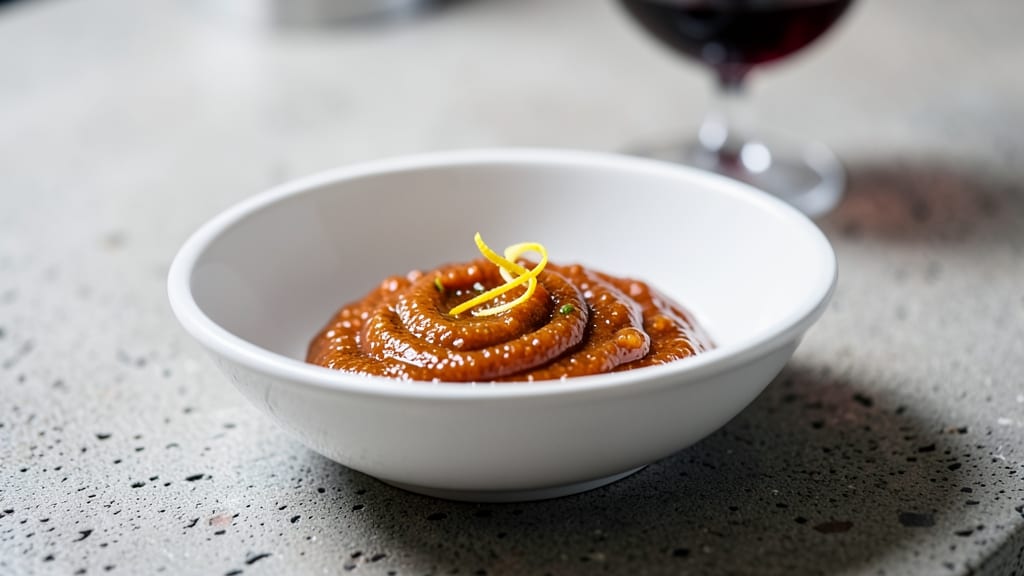
Babe’s restaurant salad dressing recipe delivers that signature bold vinaigrette flavor you crave—tangy, herby, and perfectly balanced. This isn’t your basic bottled dressing; it’s a restaurant-quality homemade version that elevates every salad, roasted vegetable, or grilled protein with just a drizzle.
The secret lies in the herb blend and emulsification technique that keeps it silky smooth without breaking.
What sets this dressing apart is its versatility and depth of flavor. We’re talking about a perfect harmony of red wine vinegar, Dijon mustard, and high-quality olive oil, all tied together with fresh herbs and a touch of honey for balance.
The emulsification process ensures it stays creamy and clings to greens without separating, even after sitting in your fridge for days.
Once you taste this dressing, you’ll never go back to store-bought again. The bright acidity cuts through rich ingredients while the herbs add an aromatic complexity that transforms simple salads into gourmet meals. It’s restaurant-quality at home, with just a few simple ingredients and a little technique.
This dressing works equally well on kale salads, roasted Brussels sprouts, or even as a marinade for grilled chicken. The best part? It keeps beautifully in the refrigerator for up to two weeks, so you can make a big batch and enjoy it all week long.
Let’s get started on creating your own signature dressing!
Ingredients for babe’s restaurant salad dressing
Six simple ingredients transform into a restaurant-worthy vinaigrette that clings beautifully to greens.
| Ingredient | Amount | Notes |
|---|---|---|
| Extra-Virgin Olive Oil 🫒 | ¾ cup | High-quality, fruity flavor preferred |
| Red Wine Vinegar 🍷 | ½ cup | Dry, bold variety works best |
| Dijon Mustard 🌶️ | 1 tbsp | Not regular yellow mustard |
| Fresh Dill 🌿 | ¼ cup | Finely chopped, stems removed |
| Fresh Tarragon 🌿 | ¼ cup | Finely chopped, or substitute tarragon leaves |
| Fresh Parsley 🌿 | ¼ cup | Flat-leaf preferred, finely chopped |
| Honey 🍯 | 1 tbsp | Light or wildflower preferred |
| Garlic Cloves 🧄 | 1 whole | Minced finely for smooth texture |
| Kosher Salt 🧂 | ½ tsp | Adjust to taste after emulsifying |
| Black Pepper 🌶️ | ¼ tsp | Freshly ground for best flavor |
The herbs make or break this dressing. Fresh dill and tarragon give it that signature restaurant vibe—dried just won’t cut it. I always grab mine from Whole Foods or the farmers market where the leaves are vibrant and fragrant. If you can’t find tarragon, extra parsley (up to half the amount) works in a pinch. The garlic? One whole clove is perfect—don’t overdo it. And for the olive oil, Trader Joe’s or California Avocado brands are my go-tos for that rich, fruity flavor that doesn’t taste like soap.
No Dijon mustard? Whole-grain mustard blended smooth works, but it’ll be grainier. Short on fresh herbs? Dried dill at 1/4 the amount gets you close, but it’ll taste different. The honey can be swapped for maple syrup if you’re avoiding sugar, but honey’s floral notes balance the acidity perfectly. The red wine vinegar is non-negotiable though—balsamic vinegar changes the whole flavor profile. For a lighter dressing, reduce the olive oil to 1/2 cup, but trust me, you’ll want the full richness for that restaurant-quality texture.
This dressing stays fresh for 2 weeks in the fridge if you keep it sealed tight. The emulsification process means it won’t separate, but if it does, just whisk it back together. I like to make a big batch and store it in a glass jar with a tight lid—it looks pretty on the counter too. For extra longevity, add a thin layer of olive oil on top before sealing. It’s perfect for drizzling on everything from salads to roasted veggies, and honestly, it tastes even better the next day once all the flavors meld.
Why You’ll Love This Recipe
- No-Chop Required: I swear by this one—just toss in whole sprigs of dill and tarragon, no need to mince. The vinegar and mustard do all the work while you’re still deciding what to eat for dinner.
- Herb Bomb Brightness: That fresh tarragon and dill combo? It’s like a little flavor explosion—bright, slightly tangy, and just sweet enough to make every bite sing. I’ll never go back to store-bought now.
- Weeknight & Wedding: Slather it on a simple green salad for a lazy night, or drizzle it over grilled fish at a dinner party. It’s fancy enough to impress but so easy you won’t stress.
- Dressing That Lasts: Make a big batch—it keeps for days in the fridge, and the flavors only get better. Honestly, I’ve had it on my counter for five days, and it’s still the star of every meal.
Step-by-step instructions for babe’s restaurant salad dressing recipe
This bold vinaigrette comes together in minutes with fresh herbs and bright flavors.
Whisk Together the Vinegar Base
In a medium bowl, combine the 0.5 cup red wine vinegar, 1 tablespoon Dijon mustard, and 1 tablespoon honey. Whisk vigorously for 30 seconds until the honey dissolves completely and the mixture becomes smooth. Here’s the thing—this base sets the foundation for your dressing, so don’t skip the whisking. You want everything fully incorporated before adding the oil.
The vinegar should smell sharp and tangy, with a subtle sweetness from the honey. If you’re using a bold red wine vinegar, you’ll notice that bright, almost fruity aroma. This is where the dressing gets its signature punch, so taste it now—it should balance sweet, acidic, and slightly peppery notes from the mustard.
Add the Finely Chopped Herbs and Garlic
To the vinegar mixture, add the 0.25 cup finely chopped fresh dill, 0.25 cup finely chopped fresh tarragon, 0.25 cup finely chopped fresh parsley, and the 1 minced garlic clove. Stir with a wooden spoon until the herbs are evenly distributed throughout the liquid. I like to press down gently on the herbs with the spoon to release their oils and intensify the flavor.
The herbs should look vibrant and fresh—this is your visual cue that you’re on the right track. The garlic will mellow out during emulsification, but it adds a subtle depth that restaurant-quality dressings always have. If your herbs are particularly wet, give them a quick spin in a salad spinner first to remove excess moisture. Wet herbs can make your dressing too thin and dilute the flavors.
Gradually Emulsify the Olive Oil
With the motor running on low speed, slowly drizzle in the 0.75 cup extra-virgin olive oil while continuing to whisk. Start with a few drops at first, then increase the flow to a steady stream. This gradual addition is critical—it allows the oil to incorporate smoothly without breaking the emulsion. You’ll notice the mixture will thicken as you go, becoming creamy and glossy.
Keep whisking for 2-3 minutes after all the oil is added. The dressing should coat the back of a spoon and hold its shape when drizzled. If it looks too thick, add 1-2 teaspoons of water to loosen it slightly. The texture should be silky, not greasy. Real talk: if you rush this step, the oil and vinegar will separate. Take your time—this is where the magic happens.
Season and Taste for Balance
Add the 0.5 teaspoon kosher salt and 0.25 teaspoon black pepper to the dressing. Stir well to combine, then taste and adjust the seasoning as needed. This is the moment that matters: the dressing should be bright, tangy, and just slightly sweet with a peppery kick. If it needs more acidity, add a splash of the red wine vinegar. If it needs more sweetness, add a tiny bit more honey.
Let the dressing rest for 10 minutes at room temperature. This resting period allows the flavors to meld together and the emulsion to stabilize. After resting, give it one final taste. The herbs should be fragrant, the garlic subtle, and the overall flavor balanced. If you’re making this ahead of time, store it in an airtight jar in the refrigerator for up to 1 week—it will only get better with time as the flavors deepen.
Pro Tips For Making Babe’S Restaurant Salad Dressing
- Whisk in stages: Start with the oil and vinegar first—just enough to emulsify the mustard. I learned this the hard way: dumping everything in at once makes the dressing split like a bad relationship. Once the mustard is smooth, add the herbs last and whisk hard for 20 seconds. The dressing needs a workout to hold together.
- Use dry herbs: Pat the fresh dill and tarragon very dry with paper towels before chopping. Moisture in the stems turns your dressing into a sad, watery mess. I skip the stems entirely—they’re tough and add nothing but bitterness.
- Taste before thinning: Resist the urge to fix flavor by adding more vinegar or oil. Taste the base (mustard + herbs + a splash of vinegar) first. If it’s bland, you’ll know exactly how much acid or fat to add later. I’ve ruined batches by guessing, and you don’t want that.
- Store in the fridge: This dressing tastes freshest after 24 hours—give it time to marry. But if you’re impatient, at least chill it for 10 minutes before serving. Room temp makes the herbs taste dull, and no one wants that. (Yes, even if you’re impatient like me.)
Pro cooking tips for this recipe
Emulsification Essentials
The key to a silky, restaurant-quality dressing lies in proper emulsification. Start by whisking your vinegar base vigorously for 30 seconds—this creates tiny air pockets that help bind the oil later.
When adding the 0.75 cup extra-virgin olive oil, pour it in a slow, steady stream while whisking continuously on low speed. The Dijon mustard acts as a natural emulsifier, but the whisking motion is what truly creates that velvety texture.
I use a Ball Mason jar with a tight lid and shake it vigorously after adding oil—this works just as well as a whisk for smaller batches. 💫
Herb Prep Matters
Fresh herbs are non-negotiable for that signature restaurant flavor. Chop your dill, tarragon, and parsley as finely as possible—think pinch-sized pieces—so they distribute evenly without clumping. I like to stack the herbs, roll them tightly, then slice through with a sharp chef’s knife for consistency.
Remove stems completely, as they add bitterness. For extra flavor intensity, pulse the herbs briefly in a food processor before adding, but don’t over-blend or they’ll turn to paste. The herbs should look like confetti in your dressing. 🌿
Temperature Control
Work with ingredients at room temperature for the best results. Cold vinegar or oil can cause the emulsion to break. If your kitchen is chilly, let the olive oil sit out for 10-15 minutes before using. The dressing should be served at room temperature too—cold dressings taste flat.
I keep my bowl on the counter while preparing, and if I’m in a hurry, I place it near a warm light bulb to speed up the process. The perfect serving temperature is 68-72°F, where all the flavors shine. ⚡
Troubleshooting Separation
If your dressing separates, don’t panic—it’s easily fixable. Simply whisk or shake vigorously for 1-2 minutes to re-emulsify. For stubborn separations, add 1 teaspoon of water or a tiny bit more Dijon mustard, then whisk again. The mustard’s natural emulsifiers will bind the oil and vinegar back together.
Store-bought dressings separate because they lack proper emulsifiers, but homemade versions with fresh ingredients stay stable for weeks. The secret is patience during the oil addition—rushing this step is the #1 cause of separation. 🔥
Equipment Upgrades
While a whisk works perfectly fine, a handheld immersion blender takes the guesswork out of emulsification. Simply blend the vinegar base first, then slowly add the oil while blending on low.
For large batches, a stand mixer with whisk attachment is a game-changer—just blend on medium speed for 3-4 minutes after adding oil. I’ve also had great success using a French whisk (like those from OXO) for a more professional finish.
The right tool makes all the difference in texture consistency. 💡
Flavor Layering
Let your dressing rest for 10 minutes before tasting—this allows the flavors to meld and the emulsion to fully stabilize. The first taste might seem too strong, but after resting, the acidity mellows slightly while the herb notes become more pronounced.
For an extra depth, add 1/4 teaspoon of lemon zest during the resting period. This subtle citrus note bridges the gap between the vinegar’s sharpness and the oil’s richness. The resting time is when the magic really happens—don’t skip it! The flavors will develop into something truly special. ✨
Nutrition facts
Frequently asked questions
Can I make this dressing without fresh herbs?
Fresh herbs are key for that signature restaurant flavor, but you can substitute with dried versions at 1/4 the amount. For example, use 1/4 teaspoon dried dill instead of 0.25 cup fresh. The flavor will be different but still delicious. If you’re missing tarragon, add extra parsley or a pinch of dried basil for depth. The texture may be slightly less vibrant, but the dressing will still taste great on salads and roasted veggies.
How do I store this dressing to keep it fresh?
Store your dressing in an airtight glass jar in the refrigerator for up to 2 weeks. The emulsion stays stable, so no separation occurs. For extra longevity, add a thin layer of olive oil on top before sealing. If you notice any separation after refrigeration, simply whisk or shake vigorously to re-emulsify. Avoid storing in plastic containers, as they can absorb odors and affect the flavor. The dressing actually improves over time as the flavors meld together.
Can I use this dressing on things other than salads?
This versatile dressing works beautifully on roasted vegetables, grilled chicken, steak, and even as a marinade. The bright acidity cuts through rich meats, while the herbs add aromatic depth. For a quick marinade, mix 1/2 cup dressing with 1/4 cup olive oil and let it sit for 30 minutes before using. It also makes an excellent dip for crudité platters or fresh bread. The possibilities are endless!
Why did my dressing separate?
Dressing separates most often when oil is added too quickly or the mixture isn’t whisked enough. To fix it, whisk or shake vigorously for 1-2 minutes to re-emulsify. If that doesn’t work, add 1 teaspoon of water or a tiny bit more Dijon mustard, then whisk again. The mustard acts as a natural emulsifier. To prevent separation next time, add the oil very slowly while whisking continuously on low speed. Patience is key—rushing this step is the #1 cause of separation.
What can I substitute if I don’t have red wine vinegar?
For a similar tangy flavor, use apple cider vinegar or balsamic vinegar. Apple cider vinegar works best as a 1:1 substitute, while balsamic adds a slightly sweeter note—reduce it to 0.375 cup and add 1/2 teaspoon extra honey to balance. Avoid white vinegar, as it lacks the depth of red wine vinegar. If you’re using balsamic, let the dressing rest for 15 minutes before tasting, as the flavors continue to develop. The dressing will still be delicious but with a slightly different profile.

- Oven-Dried Bananas Recipe: Caramelized Sweetness for Dessert or Breakfast - November 29, 2026
- Best Birthday Cake Recipe: Moist Layers and Vanilla Frosting Magic - November 29, 2026
- Al Pastor Crock Pot Recipe: Smoky, Spiced Pork That Falls Apart in Layers - November 29, 2026