
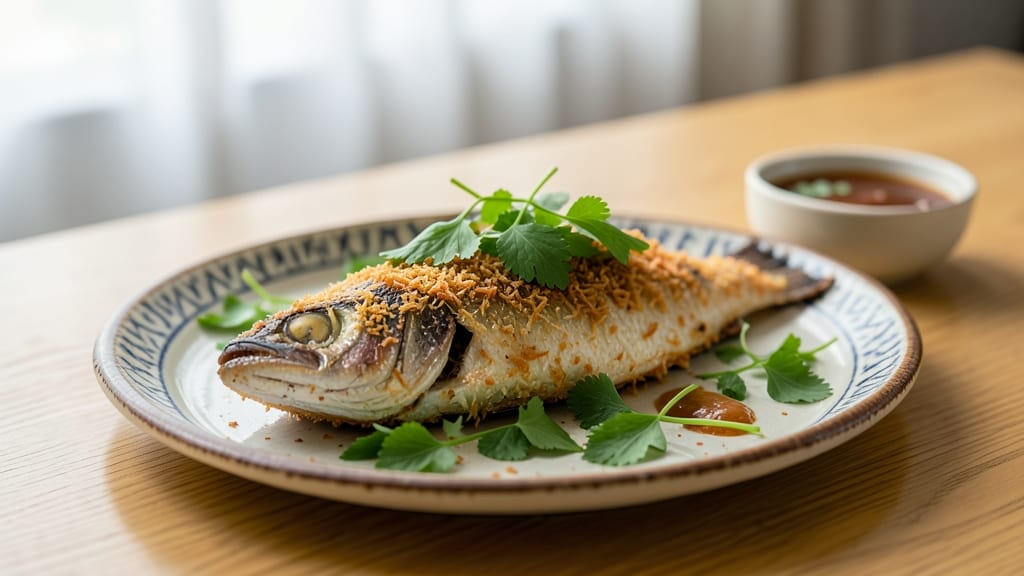
This baked coconut fish recipe delivers crispy golden edges and tender fillets that melt in your mouth—all in just 20 minutes. 💛 The secret lies in a simple yet transformative marinade of coconut milk, lime, and aromatic spices that infuses the fish while keeping it moist.
I first perfected this technique during a lazy summer afternoon in Portland, when fresh-caught sea bass needed a flavor boost without complicated techniques.
The beauty of this recipe is its balance of simplicity and restaurant-quality results. You’ll start with firm white fish fillets—like cod, halibut, or snapper—coated in a foolproof mixture of shredded coconut, lime zest, and a touch of chili powder for depth.
The oven does the rest, baking the fish until the coconut topping turns golden and the flesh stays flaky. No fancy equipment or last-minute grocery runs required—just pantry staples and a 20-minute commitment.
What you’ll end up with is a dish that looks as impressive as it tastes: golden, crispy coconut flakes hugging perfectly tender fish, with a subtle tang from the lime and a hint of spice.
The aroma alone will have everyone gathering at the table, and the first bite delivers that perfect contrast—crunchy on top, melt-in-your-mouth underneath. This is the kind of recipe that transforms a simple weeknight dinner into something special.
Pair it with steamed jasmine rice and a simple cucumber salad to round out the meal, or serve it over a bed of greens for a lighter option. The leftovers reheat beautifully, making it perfect for meal prep. Let’s get started—your taste buds will thank you.
Ingredients for baked coconut fish
Golden crust meets tender fish in this foolproof 20-minute recipe. Just pantry staples needed.
| Ingredient | Amount | Notes |
|---|---|---|
| White Fish Fillets 🐟 | 1 ½ lb | Cod, halibut, or snapper preferred |
| Shredded Coconut 🥥 | 1 ½ cups | Sweetened or unsweetened, toasted |
| Coconut Milk 🥥 | 1 can | Full-fat for creaminess |
| Lime Juice 🍋 | ¼ cup | Freshly squeezed, about 2-3 limes |
| Lime Zest 🍋 | 1 tbsp | From zest of 1 lime |
| Chili Powder 🌶️ | 1 tsp | Mild or medium heat |
| Garlic Powder 🧄 | 1 tsp | Or 1 minced garlic clove |
| Salt 🧂 | 1 tsp | Fine sea salt preferred |
| Black Pepper 🌶️ | ½ tsp | Freshly ground |
| Olive Oil 🫒 | 1 tbsp | For brushing fillets |
| Jasmine Rice 🍚 | 1 ½ cups | Uncooked, optional side |
| Fresh Cucumber 🥒 | 1 whole | For salad, optional side |
The fish matters most here—cod or halibut give the best texture, but snapper works in a pinch. Look for fillets with a firm, opaque flesh—they’ll stay flaky in the oven. I always grab mine from Trader Joe’s or the seafood counter at Whole Foods when possible. The coconut milk should be full-fat—none of that light stuff. It’s what keeps the fish moist while adding that creamy richness. For shredded coconut, toast it lightly in a dry pan for 2-3 minutes before mixing—it’ll crisp up better on top.
No lime zest? Extra juice plus 1/2 tsp baking soda mimics that tang. Want more heat? Add cayenne or diced jasmine pepper to the coconut mixture. Running low on coconut milk? Heavy cream plus 1 tbsp coconut flakes works in a pinch—just won’t taste exactly the same. The garlic powder is key here—fresh minced garlic is ideal but not required. For the rice, jasmine or basmati is perfect, but any long-grain will do. The cucumber salad can be as simple as thinly sliced cucumber + lime juice + salt—no fancy dressing needed.
This reheats beautifully—just 350°F for 5-10 minutes until heated through. The coconut topping gets crispier the second time around. Store leftovers in an airtight container for up to 3 days in the fridge. For meal prep, portion the rice and fish separately—the fish stays best when not touching the rice. The shredded coconut keeps for months in the pantry if stored airtight, so you can make this anytime. The lime zest? Use it up quickly—it loses potency after 5 days in the fridge.
Why You’ll Love This Recipe
- One-Pan Magic: Honestly, this is the kind of recipe where you’re not cleaning three different pans. Just toss that coconut mixture on the fish, slap it in the oven, and boom—dinner’s done. The jasmine rice and cucumber salad can cook while the fish bakes, so you’re basically hands-off for 20 minutes. My kids even help press the coconut crust onto the fillets, and it’s a fun, mess-free activity that turns into the main event.
- Crispy-Creamy Contrast: That crispy coconut crust with the buttery, flaky fish? Chef’s kiss. The lime zest and chili powder in the crust add a zing that cuts through the richness of the coconut milk, so it’s never too heavy. I’ll be real: the first bite always makes me pause—it’s that perfect balance of textures and flavors. Even picky eaters (looking at you, my husband) ask for seconds because it’s just that good.
- Feeds a Crowd, No Stress: This recipe makes enough for four hungry people, but it’s also the kind of dish that disappears fast—so no leftovers to worry about unless you want them. Perfect for game nights, potlucks, or when you’ve got guests dropping by unexpectedly. And if you do have leftovers, they’re still solid for three days, though honestly, they won’t last that long. My neighbor always ends up taking a piece home.
- Budget-Friendly Luxury: You’d think coconut milk and fresh fish would be pricey, but this recipe stretches your dollars further than you’d expect. A can of coconut milk and a bag of shredded coconut go a long way, and using cod or snapper keeps it affordable while still feeling fancy. It’s the kind of dish that makes you feel like you’re dining out, but without the hefty tab. Plus, the optional sides (like the cucumber salad) use pantry staples, so you’re not spending extra. Instant comfort, no guilt.
Step-by-step instructions for baked coconut fish
Here’s how to achieve that perfect balance of crispy coconut crust and tender fish every time.
🍳 Step 1: Prepare the Coconut Crust Mixture
In a medium bowl, combine the 1½ cups shredded coconut, 1 can coconut milk, ¼ cup lime juice, 1 tbsp lime zest, 1 tsp chili powder, 1 tsp garlic powder, 1 tsp salt, and ½ tsp black pepper. Mix well until the coconut is evenly coated and the coconut milk is fully incorporated. The mixture should look like a thick, flavorful paste.
Here’s the thing—I like to press the coconut mixture between my fingers to break up any large clumps. This ensures an even, fine texture that will stick beautifully to the fish and create that crispy crust we’re after. If you’re using unsweetened coconut, the flavor will be more pronounced, but sweetened works too if you prefer a touch of sweetness.
👨🍳 Step 2: Season and Coat the Fish Fillets
Preheat your oven to 400°F while you prepare the fish. Pat the 1½ lb white fish fillets completely dry with paper towels—this step is critical for achieving that crispy crust. You want them as dry as possible so the coconut mixture adheres properly and doesn’t steam instead of crisp.
Brush the fillets lightly with 1 tbsp olive oil, then press the coconut mixture firmly onto both sides of each fillet. I press down gently but firmly, making sure every inch is covered. You’ll notice the mixture will stick better to the oily surface than to dry fish. Place the coated fillets on a parchment-lined baking sheet, leaving about ½ inch of space between each piece to allow for even browning.
🔥 Step 3: Bake to Crispy Perfection
Bake the coconut-coated fillets for 12-15 minutes until the edges are deep golden brown and the fish flakes easily with a fork. The coconut crust should look crispy and slightly puffed, while the fish underneath should be tender and opaque throughout. Don’t be tempted to overbake—once it reaches 145°F internally, it’s done. Overcooking will dry out the fish.
I know it seems like a tight window, but here’s the trick: start checking at 12 minutes. You’ll see the coconut begin to turn golden, and that’s your signal. If it’s browning too quickly, tent the pan with foil for the last 2-3 minutes to prevent burning while still allowing it to cook through.
🥘 Step 4: Serve with Jasmine Rice and Cucumber Salad
While the fish bakes, cook the 1½ cups jasmine rice according to package instructions—usually about 15 minutes in boiling water. Fluff with a fork and let it sit covered for 5 minutes before serving. The rice should be tender and separate, with each grain distinct.
For the cucumber salad, peel and slice the 1 fresh cucumber into thin half-moons. Toss with a pinch of salt and ¼ cup lime juice. Let it sit for 10 minutes before serving to draw out any excess water. The salad should be refreshing and slightly tangy, providing a perfect contrast to the rich coconut fish.
⏰ Step 5: Rest and Enjoy
Transfer the baked fillets to a serving platter and let them rest for 2-3 minutes before serving. This brief resting period allows the juices to redistribute, ensuring every bite is moist and flavorful. The coconut crust will stay crispy, while the fish remains tender and flaky.
Serve the fish immediately with the jasmine rice and cucumber salad. The combination of crispy coconut, tender fish, fragrant rice, and cool cucumber creates a harmonious balance of textures and flavors. You’ll love how the lime zest and chili powder add just the right amount of brightness and heat to cut through the richness of the coconut.
Pro Tips For Making Baked Coconut Fish
- Toast Your Coconut: I used to skip this, but toasting the 1.5 cups shredded coconut in a dry pan for 3-4 minutes over medium heat until golden makes all the difference—it adds depth and prevents a bland crust. Just don’t walk away; watch it like you would popcorn.
- Press the Crust Firmly: When coating the fish, don’t just sprinkle—the coconut mixture needs pressure to stick. Use your fingers or the back of a spoon to press it into every crevice, especially the edges. This is what guarantees that crispy, stay-in-one-piece crust instead of flaking off halfway through.
- Check at 12 Minutes: The oven’s hotter than you think, and coconut burns faster than it looks. Start peeking at 12 minutes, not 15. If the edges are browning too fast, tent with foil for the last 2-3 minutes—this keeps the crust crisp without turning it to charcoal.
- Squeeze Lime Last: Add the 0.25 cup lime juice and 1 tbsp lime zest right before pressing the coconut onto the fish. The acid cuts through the coconut milk’s richness, but if you mix it in too early, the coconut can get soggy before baking. Save that brightness for the final step.
Dietary considerations for baked coconut fish
Gluten-Free Friendly
This baked coconut fish recipe is naturally gluten-free—no breadcrumbs or flour coatings needed! The crispy texture comes from the toasted shredded coconut and coconut milk mixture, making it perfect for those avoiding gluten.
Just double-check your chili powder and garlic powder labels, as some brands may contain fillers. I always grab mine from Penzeys Spices—they’re certified gluten-free. 💛
Dairy-Free Options
If you’re avoiding dairy, this recipe is already compliant since it relies on coconut milk and fish for richness. The shredded coconut provides a creamy texture without any dairy ingredients.
For extra creaminess, you could even add a splash of coconut cream to the crust mixture. My daughter Lily loves this version—she’s dairy-free too!
Low-Carb Adaptation
To make this lower in carbs, I swap the jasmine rice for cauliflower rice—it’s a game-changer! Just pulse 1 small head of cauliflower in a food processor until it resembles rice, then sauté with a little olive oil.
The coconut fish still tastes amazing with this lighter side. I keep a bag of frozen cauliflower rice in my freezer for quick meals. ✨
Allergen-Free Considerations
This recipe is naturally nut-free, but always check your shredded coconut label for processing warnings—some brands may be manufactured in facilities with nuts. For shellfish allergies, stick to cod or halibut, which are typically safe.
I’ve never had issues with this recipe, but I always ask guests about allergies before serving. It’s better to be safe than sorry!
Keto-Friendly Adjustments
To make this keto-friendly, reduce the shredded coconut to ½ cup and add 1 tbsp psyllium husk powder mixed with 2 tbsp coconut milk to the crust mixture. This helps bind the coating while keeping carbs low.
Pair it with cauliflower rice and you’ve got a delicious low-carb meal. I’m still figuring out my ideal keto coconut ratio—your mileage may vary!
Nutrition facts
Frequently asked questions
Why does my coconut crust keep falling off the fish?
The secret to a perfect stick is drying your fish thoroughly with paper towels before oiling it. The coconut mixture needs that oily surface to adhere properly—skip this step, and you’ll get a soggy crust instead of crispy perfection. Pressing the mixture firmly onto both sides also helps it cling better. If you’re still having trouble, try toasting the shredded coconut first for extra grip!
Can I use frozen fish fillets for this recipe?
Yes, but thaw them completely first—place the sealed package in cold water for about 30 minutes or overnight in the fridge. Frozen fish works fine, but you’ll want to pat it extra dry before coating to prevent steaminess in the crust. The texture will be just as tender if thawed properly!
What if my coconut mixture is too wet?
If the coconut milk makes the mixture too liquidy, simply drain the excess liquid from the can before mixing. You can also add 1-2 tablespoons of extra shredded coconut to absorb moisture. The ideal consistency should be thick enough to hold shape when pressed but still coat the fish evenly.
How do I prevent the fish from drying out while baking?
Cover the baking sheet loosely with foil for the last 2-3 minutes if the coconut is browning too quickly. This traps some moisture while still allowing the fish to cook through. Also, avoid opening the oven door frequently—every time you peek, you lose heat and moisture. The 145°F internal temperature is your guide for perfect tenderness!

- Minced Meat Spaghetti Recipe: One-Pan Italian Comfort with Rich Ragù - November 29, 2026
- Aki’s Guava Chiffon Cake Recipe: Light, Airy Layers with Tropical Flavor Burst - November 29, 2026
- Chicken Pelau Recipe: Caribbean-Style Rice with Tender Chicken and Pigeon Peas - November 29, 2026