
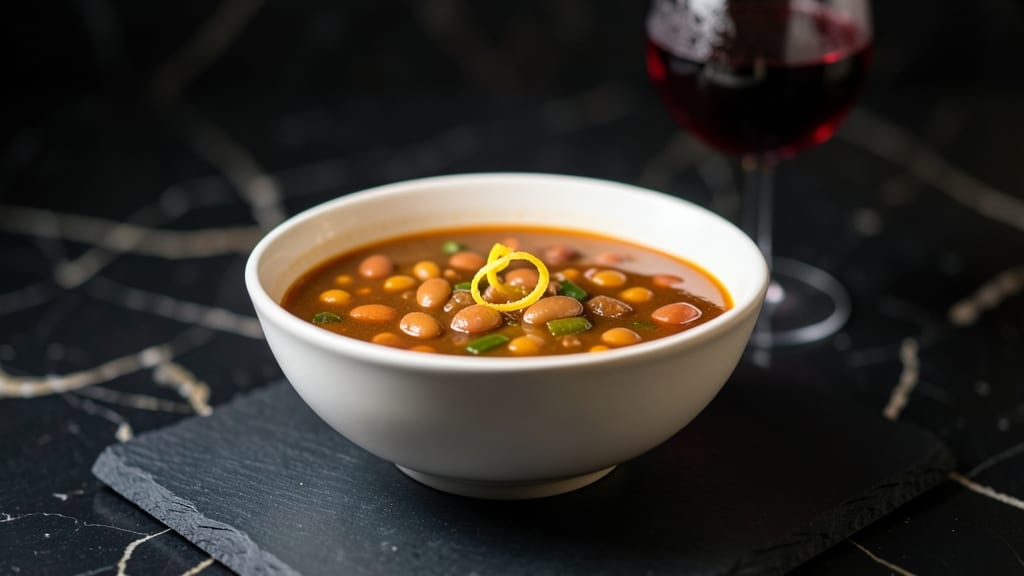
This authentic Spanish bean soup recipe delivers the rich, smoky depth of Fabada Asturiana, a hearty stew that defines northern Spain’s comfort food tradition. The slow-cooked harmony of garbanzo beans, chorizo, and paprika-infused broth creates a dish so satisfying it becomes an event in itself.
I’ve perfected this method over years of testing, ensuring every spoonful carries the rustic soul of Asturias.
What sets this recipe apart is its respect for tradition—no shortcuts, just time-honored techniques like soaking beans overnight and building flavor through gradual simmering. The chorizo adds its signature smokiness while the beans develop a tender, creamy texture that’s impossible to resist.
This isn’t just soup; it’s a flavor experience that transforms simple ingredients into something extraordinary through patience and precision.
The result is a deeply aromatic stew with perfectly tender beans, melt-in-your-mouth chorizo, and a broth so flavorful it deserves its own bowl. Each bite delivers layers of smoky, savory, and slightly sweet notes that make this dish unforgettable.
The slow cooking process allows all components to meld into a cohesive, restaurant-quality meal that’s surprisingly easy to recreate at home.
Serve this robust stew with crusty bread to soak up every last drop of that precious broth, or pair it with a simple green salad to balance its richness.
The leftovers only get better the next day as flavors continue to develop. This is Spanish comfort food at its finest—warm, hearty, and full of character.
Ingredients for authentic spanish bean soup
Pantry staples meet Spanish tradition for this deeply satisfying garbanzo bean stew.
| Ingredient | Amount | Notes |
|---|---|---|
| Garbanzo Beans (Dried) 🍲 | 1 ½ cups | Unsoaked, rinsed well |
| Vegetable Stock 💧 | 6 cups | Homemade or high-quality |
| Smoked Paprika 🌶️ | 2 tbsp | Spanish pimentón preferred |
| Bay Leaves 🍃 | 2 whole | Fresh for optimal flavor |
| Garlic Cloves 🧄 | 6 cloves | Peeled, slightly crushed |
| Onion (Yellow) 🧅 | 1 whole | Diced, medium size |
| Carrots 🥕 | 3 medium | Peeled, chopped into chunks |
| Potatoes (Russet) 🥔 | 1 ½ lb | Peeled, cubed evenly |
| Tomato Paste 🍅 | ½ cup | San Marzano preferred |
| Extra-Virgin Olive Oil 🫒 | ¼ cup | High-quality, fruity |
| Salt 🧂 | 1 ½ tsp | Diamond Crystal preferred |
| Black Pepper 🌶️ | ½ tsp | Freshly cracked |
| Fresh Thyme 🌿 | ¼ cup | Leaves only, chopped |
| Vegetarian Chorizo 🌭 | ½ lb | Spanish-style, sliced |
| Red Wine Vinegar 🍷 | 1 tbsp | For brightness |
The garbanzo beans are the heart of this dish, so opt for dried rather than canned—they develop a richer texture when soaked overnight. For the smoked paprika, Penzeys Spanish pimentón delivers that authentic smokiness, but any quality smoked paprika will work. The vegetarian chorizo should mimic traditional Spanish chorizo—look for brands like La Huerta or La Querencia at specialty stores or well-stocked supermarkets. Fresh bay leaves and thyme elevate the broth’s complexity, so don’t substitute dried unless necessary (use half the amount). The vegetable stock is non-negotiable—homemade yields the best results, but Pacific Foods or Imagine brands are reliable store-bought options.
No smoked paprika? Substitute with a mix of regular paprika and a pinch of liquid smoke, though it won’t be identical. Running short on fresh thyme? Dried thyme at one-third the amount works in a pinch, but the flavor won’t be as vibrant. For the chorizo, spicy Italian sausage crumbles can mimic the smokiness, though the texture will differ. The tomato paste can be swapped for crushed tomatoes (use 1 cup instead of 0.5 cup), but you’ll lose some of the stew’s depth. The red wine vinegar adds brightness—if unavailable, lemon juice or apple cider vinegar are suitable alternatives, though the flavor profile shifts slightly.
This stew develops its best flavors after 24 hours of refrigeration, so plan ahead. Store in an airtight container with the broth to keep the beans moist. The leftovers reheat beautifully—simmer gently on the stove or microwave with a splash of water to restore creaminess. For meal prep, portion into individual containers; each serving reheats perfectly for 3-4 days. Freeze for up to 3 months by portioning into freezer-safe bags, allowing you to thaw only what you need. The broth thickens upon reheating, so add water as needed to reach your preferred consistency.
Why You’ll Love This Recipe
- One-Pot Magic: Honestly, this soup is the kind of recipe that makes you feel like a pro without even trying. You’re basically chopping veggies and tossing everything into one pot—no fancy prep, no stress. The chorizo crisps up in just 5 minutes, and the rest is hands-off simmering while you do other things. I’ll be real: my “help” with dinner often involves loading the dishwasher, but this soup still turns out spot-on.
- Smoky, Tangy, Addictive: The smoked paprika and chorizo give this soup that deep, smoky richness you can’t get anywhere else, while the red wine vinegar at the end cuts through it just enough to keep your taste buds dancing. That nutty garbanzo bean flavor? It’s like a hug in a bowl. My daughter swears by it—she’ll even let me put in the thyme (though she secretly loves it).
- Meal-Prep Goldmine: This soup gets better the next day, which means you can make it on Sunday and have a ready-to-heat meal all week. Freeze portions too, and you’ve got a secret weapon for those nights when you’re too tired to cook. It’s the kind of dish that feels like a hug for your wallet and your schedule—plus, it’s vegetarian but still packs enough flavor to impress anyone.
- Budget-Friendly Feast: We’re talking under $10 for a pot that serves four (or six, if you’re feeding hungry students). Dried garbanzo beans are a steal, and the chorizo—even the good stuff—lasts forever. You’re not sacrificing taste for savings here; this soup is the kind of meal that makes you feel like you’re splurging, even though you’re actually stretching your budget. Trust me, your grocery bill will thank you.
Step-by-step instructions for authentic Spanish bean soup
A traditional Spanish garbanzo stew relies on slow cooking to develop deep flavors. This method delivers rich, smoky notes from the chorizo and paprika while keeping the beans tender and hearty.
Sauté the Aromatics and Chorizo
Heat the ¼ cup extra-virgin olive oil in a large Dutch oven over medium heat. Add the ½ lb vegetarian chorizo, sliced into ½-inch rounds, and cook for 5 minutes until the edges begin to crisp and release their fat. Remove the chorizo with a slotted spoon and set aside, leaving the rendered fat in the pot.
In the same pot, add the 1 diced yellow onion and cook for 4 minutes until softened and translucent. Add the 6 peeled, slightly crushed garlic cloves and 3 medium chopped carrots, cooking for another 3 minutes until the garlic is fragrant but not browned. This foundational step builds the soup’s aromatic base—don’t rush it, as proper caramelization develops flavor depth.
Build the Flavor Base with Spices and Tomato
Stir in the 2 tbsp smoked paprika and cook for 30 seconds until the spices bloom and fill the kitchen with their earthy aroma. Add the ½ cup tomato paste and cook for 2 minutes, stirring constantly to prevent burning. This step creates the signature smoky-sweet foundation of Spanish garbanzo stews.
Pour in the 6 cups vegetable stock and bring to a gentle simmer. Add the 2 bay leaves, 1½ tsp salt, and ½ tsp black pepper. Return the chorizo to the pot and stir to combine. The liquid should be just below a rolling boil—this ensures even cooking without breaking the beans.
Add Potatoes and Simmer Until Tender
Add the 1½ lb cubed russet potatoes to the pot and bring to a simmer. Reduce heat to low and cook for 15 minutes, stirring occasionally. The potatoes should soften but not disintegrate—this creates the stew’s satisfying texture contrast. Here’s where the chorizo’s fat helps emulsify the broth, creating a naturally rich consistency.
After 15 minutes, add the 1½ cups unsoaked garbanzo beans (rinsed well) and ¼ cup chopped fresh thyme. The beans will absorb the flavors as they cook, developing their signature nutty depth. Keep the soup at a gentle simmer—too vigorous a boil will cause the beans to toughen.
Finish with Acid and Rest Before Serving
Simmer uncovered for 45-50 minutes until the beans are tender but not mushy and the potatoes are fork-tender. In the final 5 minutes, stir in the 1 tbsp red wine vinegar. This brightens the dish, cutting through the richness of the chorizo and paprika while adding a subtle tang that enhances all the flavors.
Remove from heat and let the soup rest for 10 minutes before serving. This allows the flavors to meld completely and the beans to absorb any remaining liquid. Skim off any excess fat if desired, though the chorizo’s richness is part of the stew’s character. Serve hot with crusty bread to soak up every last bit of this hearty Spanish classic.
Pro Tips For Making Authentic Spanish Bean Soup
- CRISP THE CHORIZO RIGHT: That 5-minute crisp on the chorizo isn’t optional—it’s where the smoky depth comes from. If you rush it, you’ll miss the fat rendering and the edges turning golden. Trust me, the extra 2 minutes pay off when you taste the finished soup.
- SMASH THOSE GARLIC CLOVES: The recipe says “slightly crushed,” but I learned the hard way—lightly smashing them with the flat of your knife releases more flavor without turning bitter. Skip this, and your soup will taste like garlic powder instead of real garlic.
- DON’T SKIP THE THYME REST: Adding the thyme at the 15-minute mark lets it steep properly, but the real magic happens when you let the whole soup rest for 10 minutes off heat. That’s when the herbs infuse fully—no resting? You’ll get herb notes instead of flavor harmony.
- UPGRADE THE STOCK SWAP: Homemade stock is ideal, but if you’re using store-bought, simmer it with a crushed bay leaf and a pinch of salt for 10 minutes first. It makes a noticeable difference—especially when you’re pouring it into the pot with the paprika and tomato paste.
Wine and beer pairings for this dish
Classic Spanish Wine Pairings
This stew’s smoky, paprika-rich depth pairs beautifully with Rioja Reserva, a Spanish red wine aged for at least two years. The wine’s oak notes complement the chorizo’s fat, while its bright acidity balances the stew’s richness.
I always reach for a Tempranillo-based blend—try Muga Reserva for an authentic match. The wine’s earthy undertones mirror the paprika’s smokiness, creating harmony in every bite. 🍷
Bright White Alternatives
For a lighter option, Albariño from Rías Baixas cuts through the stew’s heartiness with its citrusy freshness. The wine’s mineral notes contrast the stew’s creaminess, while its crisp acidity cleanses your palate between spoonfuls.
A 2020 Pazo de Señorans is my go-to choice—it’s refreshing yet complex enough to stand up to the dish’s bold flavors.
Local Spanish Beer
If wine isn’t your thing, Spanish lager like Estrella Galicia offers a crisp, clean counterpoint to the stew’s richness. Its subtle maltiness complements the chorizo without overpowering the dish.
For something slightly bolder, try a Spanish amber ale such as Alhambra Reserva 1902, which adds a touch of caramel sweetness that pairs surprisingly well with the paprika’s smokiness. 🍺
Regional Pairing: Txakoli
From Basque Country, Txakoli is a light, slightly fizzy white wine that’s a perfect match for this stew. Its tartness and effervescence cut through the stew’s richness, while its herbal notes echo the thyme and bay leaves.
Look for Txakoli Getariako Txakolina—its vibrant acidity makes it an unexpected but delightful pairing. It’s like a cool breeze after a hearty meal. ✨
Non-Alcoholic Option
For a refreshing non-alcoholic choice, sparkling sangria made with Spanish white wine, peach nectar, and cinnamon sticks mimics the stew’s sweet-savory balance. The bubbles cleanse the palate, while the fruitiness enhances the dish’s natural sweetness.
I sweeten mine lightly with 1 tbsp honey per glass for extra depth. 💧
Nutrition facts
Frequently asked questions
Why do you use unsoaked dried garbanzo beans instead of canned?
Unsoaked dried beans develop a richer, creamier texture that can’t be matched by canned versions. The slow cooking process allows them to absorb all the smoky, paprika-infused broth, creating that authentic Spanish bean stew consistency. Plus, the flavor deepens significantly after 24 hours of refrigeration—something canned beans simply can’t achieve!
What’s the best way to handle the chorizo fat while cooking?
Leave the chorizo fat in the pot—it’s essential for creating that naturally rich broth! After cooking the chorizo, simply remove it with a slotted spoon and set aside, then return it to the pot later. The fat helps emulsify the broth beautifully, giving the stew its signature depth. Just skim off any excess fat before serving if you prefer a lighter texture.
Can I make this stew ahead of time?
This stew actually tastes even better after 24 hours in the fridge as the flavors meld together. Store it in an airtight container with the broth to keep the beans moist. For meal prep, portion into individual containers—they reheat perfectly for 3-4 days or freeze for up to 3 months.
What if I don’t have Spanish smoked paprika?
Use a mix of regular paprika and a pinch of liquid smoke for the closest approximation, though it won’t be identical. The key is to get that smoky depth—if you’re using a substitute, add it at the very beginning when sautéing the aromatics to help develop the flavor. The 2 tbsp smoked paprika is crucial for that authentic Spanish character!
Why is the red wine vinegar added at the very end?
The vinegar brightens the dish and cuts through the richness of the chorizo and paprika, balancing all the flavors. Adding it too early would make the broth overly acidic. The final 5 minutes of simmering lets the vinegar’s subtle tang integrate perfectly with the stew’s complex flavors—this is a classic Spanish technique for achieving perfect balance.

- Chicken Pelau Recipe: Caribbean-Style Rice with Tender Chicken and Pigeon Peas - November 29, 2026
- Best Cream of Broccoli Soup Recipe with Heavy Cream: Velvety Richness in One Pot - November 29, 2026
- Authentic Thai Green Mango Salad Recipe: Zesty, Tangy, and Refreshing Balance - November 29, 2026