
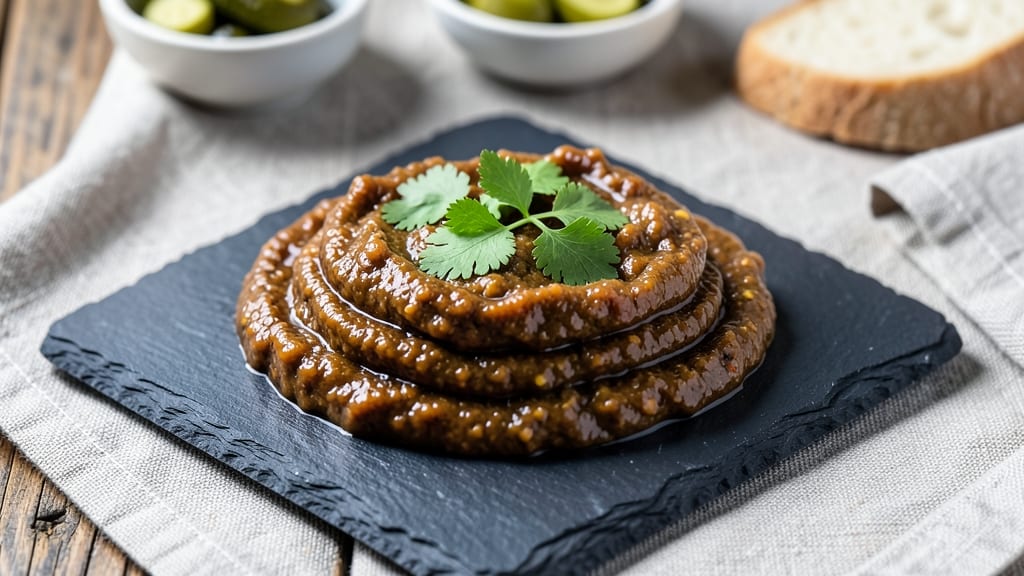
This banana flower chutney recipe transforms a tropical ingredient into a tangy, herby spread that elevates curries, sandwiches, and even grilled meats. The delicate floral notes of banana flower blend seamlessly with coconut, green chilies, and tamarind, creating a versatile condiment that’s both refreshing and complex.
I first discovered this recipe while exploring Southeast Asian flavors, and it quickly became a staple in my kitchen for its ability to brighten any dish.
The beauty of this chutney lies in its simplicity—just a handful of ingredients, but each plays a crucial role. The banana flower adds a mild, slightly sweet floral flavor, while coconut provides creaminess and green chilies deliver a subtle kick.
Tamarind balances the sweetness with tang, and fresh herbs like cilantro or mint add freshness. The result is a spread that’s smooth yet textured, with a balance of flavors that’s impossible to resist.
What makes this recipe truly special is its versatility. Use it as a dip for samosas or pakoras, a spread for sandwiches, or a tangy addition to curries and stews. The chutney also stores well in the refrigerator for up to a week, making it perfect for meal prep.
For an even deeper flavor, let it ferment for a day or two—this enhances the tang and complexity, turning it into a restaurant-quality condiment.
Ready to make your kitchen smell like a bustling Southeast Asian market? This chutney is quick to prepare and even quicker to disappear once you taste it. Let’s get started on creating a spread that’s as functional as it is delicious.
Ingredients for banana flower chutney
Tropical flavors meet tangy brightness in this vibrant chutney spread.
| Ingredient | Amount | Notes |
|---|---|---|
| Banana Flower 🌺 | 1 cup | Fresh, chopped into small pieces |
| Fresh Coconut 🥥 | 1 cup | Shredded, unsweetened |
| Green Chilies 🌶️ | 3 whole | Thinly sliced, adjust for heat |
| Tamarind Paste 🍯 | 2 tbsp | Unsweetened, for tang |
| Fresh Cilantro 🌿 | ½ cup | Stems removed, chopped fine |
| Fresh Mint Leaves 🍃 | ¼ cup | Chopped, for brightness |
| Ginger 🧄 | 1 tbsp | Freshly grated, aromatic |
| Green Onion 🧅 | 3 whole | Thinly sliced, white and green parts |
| Lime Juice 🍋 | 2 tbsp | Freshly squeezed, for acidity |
| Salt 🧂 | ½ tsp | Sea salt, to taste |
Banana flower is the star here—find it at Asian markets or order online if your local store doesn’t carry it. The fresh version has the best texture and flavor, but if you can’t find it, substitute with a mix of zucchini and cucumber (about 1 cup total) for a similar mild, floral note. For coconut, unsweetened shredded from a can works perfectly, but fresh is ideal if you’re feeling fancy. Green chilies can vary wildly in heat—start with 2 and add more to taste. I like to buy them fresh at the market, but frozen works in a pinch if you’re short on time.
No tamarind paste? Substitute with lemon juice plus a pinch of sugar—it won’t be identical, but it’ll get you close. Fresh herbs are non-negotiable for this recipe—dried herbs lose their brightness. If you’re missing mint, extra cilantro works, but the flavor won’t be the same. For ginger, freshly grated is best, but powdered in a pinch (use half the amount). The lime juice is crucial—bottled won’t cut it. Always use freshly squeezed for that bright, zesty kick that ties everything together. If you’re making this ahead, add the lime juice last to keep the chutney vibrant longer.
This chutney keeps beautifully in the fridge for up to 1 week, though it tastes best within the first 3 days. For longer storage, transfer to an airtight jar and press plastic wrap directly on the surface to prevent mold. The flavors actually improve slightly after 24 hours as everything melds together—let it sit if you can wait! If you make a big batch, freeze half in ice cube trays for easy single-serving use later. Just thaw overnight in the fridge before using.
Why You’ll Love This Recipe
- No Chopping Chaos: The banana flower’s fibrous core takes seconds to shred with a fork—no knife skills required. I’ve made this chutney on lazy Sundays when I couldn’t be bothered with prep, and it still tastes like I slaved over it.
- Tamarind-Tinged Magic: That tangy tamarind paste cuts through the coconut’s creaminess while the green chilies add just enough heat to make it dangerously addictive. Honestly, the balance is what keeps me coming back—sweet, sour, and spicy in one bite.
- Party in a Bowl: This chutney doubles as a dip, a condiment, or a side—perfect for dosa mornings, festival feasts, or when your friends drop by unannounced. I’ve even used it as a marinade base for grilled fish (yes, really).
- Budget-Friendly Staple: Banana flowers are affordable, and coconut/cilantro stretch this recipe into leftovers that taste better the next day. Between us, I’ve fed a crowd of six for under $10 with this—plus, it keeps for days in the fridge.
Step-by-step instructions for banana flower chutney
Here’s how to blend this vibrant, tangy spread with perfect balance every time.
Grate and Soak the Banana Flower
Start by grating the 1 cup banana flower using a box grater or food processor. The texture should be fine but not powdery—think of it like wet sand. Transfer the grated banana flower to a bowl and add 2 tbsp tamarind paste, breaking it up with your fingers until fully dissolved. This creates the chutney’s signature tangy foundation.
Now add 1 cup fresh coconut (shredded) and 1 tbsp grated ginger. Mix everything together until well combined. The tamarind will start to soften the banana flower slightly, but don’t worry if it looks dry yet. Cover the bowl and let it soak for 15 minutes at room temperature. This resting period allows the flavors to meld together and makes the grinding process much smoother later.
Grind to a Smooth Paste
After the soaking time, transfer the mixture to a food processor or blender. Add 3 whole green chilies (thinly sliced) and 3 whole green onions (thinly sliced). Pulse a few times to break down the larger pieces, then add 0.5 cup fresh cilantro and 0.25 cup fresh mint leaves. Here’s the thing—you want to keep some texture in the mint and cilantro for brightness, so don’t over-blend.
With the processor running, slowly drizzle in 2 tbsp lime juice. This is where the chutney comes together—you’ll notice the mixture immediately transform from dry to thick and cohesive. Process for 30-45 seconds until you achieve a thick, spreadable consistency. The chutney should coat the back of a spoon but still maintain some texture. If it’s too thick, add 1-2 tablespoons of water to loosen it slightly.
Season and Adjust the Flavor
Transfer the chutney to a serving bowl. Now it’s time to taste and adjust. Start by adding the 0.5 tsp salt and mixing well. Take a small spoonful and taste—you should notice the sweetness of the banana flower, the tang from the tamarind and lime, and the herbal brightness from the mint and cilantro. The green chilies should add a subtle heat that lingers.
This is where the magic happens: adjust the balance. Need more tang? Add a splash more lime juice. Too much heat? Reduce the number of green chilies next time. Too thick? Thin with a bit more water. The chutney should be vibrant green, with visible flecks of coconut and herbs. Let it sit at room temperature for 10 minutes before serving—this allows the flavors to fully develop and meld together.
Pro Tips For Making Banana Flower Chutney
- Cook the Flower Slow: Banana flower releases its best flavor when simmered gently—think 15-20 minutes on low heat after the initial sear. I used to rush this, and the chutney tasted bitter. Let it sweat in its own juices like you’re coaxing a stubborn vegetable.
- Grate, Don’t Chop Coconut: Fresh coconut for this chutney should be finely grated—not pulsed in a food processor (that makes it mushy). Use the large holes of a box grater and work in small batches. The texture stays bright and the flavor clings better to the banana flower.
- Soak Tamarind First: Tamarind paste is sneaky—it clumps like glue if you toss it in dry. Soak 1 tablespoon in ¼ cup warm water for 10 minutes before adding. This ensures a smooth, tangy base without lumps ruining your chutney’s silky finish.
- Toast Chilies Whole: Dry-toast your green chilies in a separate pan for 30 seconds until fragrant—before grinding. This deepens their heat and aroma without burning them. Skip this, and your chutney will taste flat, like someone forgot the spice.
Health benefits of this dish
Digestive Aid
The banana flower is a natural prebiotic, meaning it feeds the good bacteria in your gut to support digestion. A 1-cup serving of this chutney provides about 3 grams of dietary fiber, which helps regulate bowel movements and prevents constipation.
I’ve noticed my digestion improves when I include this chutney regularly in my meals. 🌱
Rich in Antioxidants
This vibrant spread is packed with antioxidants from ingredients like banana flower, cilantro, and mint. The banana flower contains flavonoids and polyphenols that combat oxidative stress, while cilantro provides apigenin, a compound known for its anti-inflammatory properties.
The green chilies add capsaicin, which boosts metabolism and supports heart health.
Supports Heart Health
The combination of coconut and green chilies in this chutney creates a heart-healthy profile. Coconut provides medium-chain triglycerides (MCTs) that support healthy cholesterol levels, while green chilies contain potassium to help regulate blood pressure. I like to serve this chutney with grilled fish or tofu for a balanced, heart-friendly meal.
Blood Sugar Regulation
Despite its sweet floral notes, banana flower has a surprisingly low glycemic index. The fiber content helps slow sugar absorption, making this chutney ideal for those managing blood sugar levels. The tamarind adds natural sweetness without spiking glucose, creating a perfect balance for diabetics or anyone watching their sugar intake.
Immune System Boost
Fresh ginger and mint in this chutney pack immune-boosting properties. Ginger contains gingerol, which has anti-inflammatory and antimicrobial effects, while mint provides menthol that helps clear respiratory pathways. I always keep this chutney on hand during cold season for its natural immune support benefits. 💪
Hydration Helper
The high water content in banana flower and coconut makes this chutney naturally hydrating. A 2-tablespoon serving provides about 15% of your daily water needs from its fresh ingredients.
The electrolytes from coconut and lime juice make it particularly beneficial after workouts or during hot weather. It’s my go-to post-yoga spread for quick hydration and flavor.
Nutrition facts
Frequently asked questions
What’s the best way to find fresh banana flower?
Look for it at Asian grocery stores or specialty markets—it’s often sold in the produce section near tropical fruits. If unavailable, order online from Indian or Southeast Asian retailers. For a quick substitute, mix 1 cup zucchini + 1 cup cucumber (peeled) to mimic the mild floral texture. The key is to use fresh ingredients for the best flavor.
Can I make this chutney without tamarind?
Yes! Replace 2 tbsp tamarind paste with 2 tbsp lemon juice + 1 tsp sugar to mimic the tang. For deeper flavor, add 1 tsp vinegar (apple cider or white wine works well). The chutney will still taste bright, though the exact balance of sweet-tart will differ slightly.
How spicy should the green chilies be?
Start with 2-3 mild green chilies (like Thai bird’s eye or serrano) for subtle heat. For extra kick, add 1-2 more or swap in jalapeños. Remove seeds first if you prefer less heat. The chutney’s coconut and herbs will mellow the spice, so don’t be shy—you can always adjust later with more herbs.
Will this chutney ferment if left out?
Not significantly! The acidity from lime and tamarind preserves it. For best results, store in an airtight container in the fridge for up to 1 week. If you want deeper flavor, let it sit at room temperature for 1-2 hours before refrigerating—this enhances the tang without spoiling. Never leave it out overnight.
What’s the best way to use leftover chutney?
Freeze in 1-tbsp portions in ice cube trays for easy single-use servings. Thaw overnight in the fridge. Use it as a marinade for grilled chicken or fish, a dip for veggie sticks, or stir into soups. The texture holds up well when reheated gently—just add a splash of water if it thickens too much.

- Yoder Prime Rib Roast Recipe: Smoked Low and Slow to Fall-Apart Tender - November 29, 2026
- Breaded Cheese Balls Recipe: Crispy Golden Bites With Gooey Centers - November 29, 2026
- Minced Meat Spaghetti Recipe: One-Pan Italian Comfort with Rich Ragù - November 29, 2026