
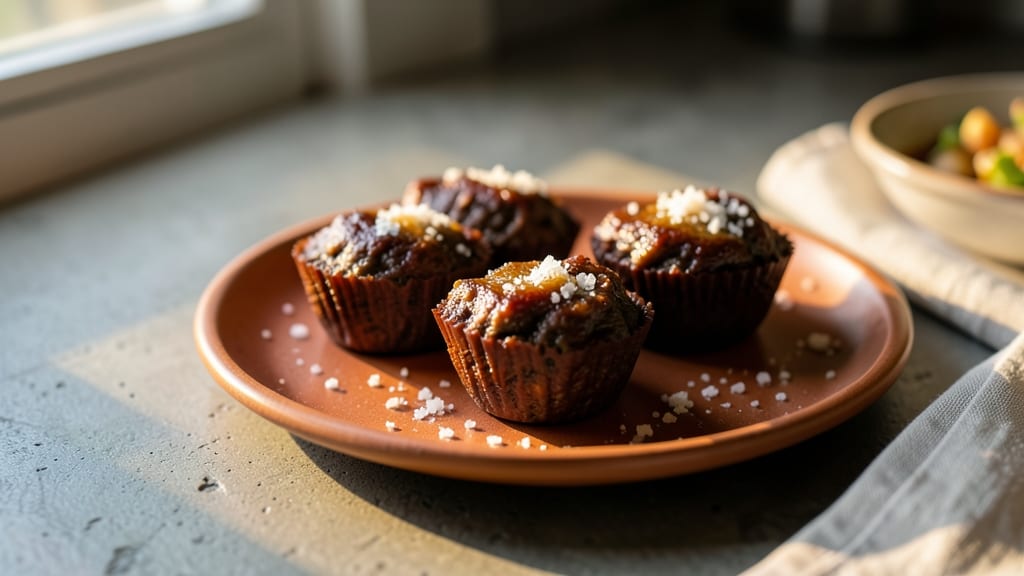
This beef cups recipe transforms tender beef into bite-sized steakhouse masterpieces with a rich caramelized fond that elevates every forkful. The technique combines precision folding with high-heat cooking to create golden, crispy pastry shells filled with perfectly seasoned beef—each bite delivers restaurant-quality texture and flavor.
I developed this method after years of perfecting handheld beef dishes, ensuring the filling stays juicy while the pastry achieves that signature shatteringly crisp exterior.
The process begins with a simple yet flavorful beef filling—tender cuts like sirloin or ribeye, finely seasoned and seared just enough to develop deep, savory notes before being folded into delicate pastry dough.
The key lies in proper sealing and folding techniques, which prevent leaks while creating those iconic cup shapes. When baked or fried to golden perfection, the result is a dish that’s both impressive and surprisingly simple to execute at home.
What makes these beef cups truly special is the caramelized fond that forms at the bottom of the pan during cooking—a concentrated, flavorful reduction that adds layers of depth to each bite.
The contrast between the crispy pastry, tender beef, and rich fond creates a sensory experience that rivals any steakhouse appetizer. This recipe serves as both an elegant starter and a satisfying main course for intimate gatherings.
Perfect for dinner parties, game day gatherings, or when you want to impress without extensive prep work, these beef cups deliver professional results with straightforward techniques. The method scales easily for crowds, and the leftovers reheat beautifully—though I suspect they won’t last that long.
Let’s get started on creating these mini steakhouse delights.
Ingredients for beef cups
Precision-cut beef, rich pastry, and caramelized fond create these restaurant-worthy handheld bites.
| Ingredient | Amount | Notes |
|---|---|---|
| Ribeye Steak 🥩 | ¾ lb | Center-cut, thinly sliced against grain |
| Unsalted Butter 🧈 | ½ cup | Cold, cut into 1/2-inch cubes |
| All-Purpose Flour 🌾 | 2 cups | Plus 1 tbsp for dusting |
| Large Eggs 🥚 | 1 whole | Room temperature, lightly beaten |
| Diamond Crystal Kosher Salt 🧂 | 1 ½ tsp | For seasoning beef only |
| Freshly Ground Black Pepper 🌶️ | 1 tsp | Coarse grind preferred |
| Garlic Cloves 🧄 | 4 cloves | Minced for beef seasoning |
| Extra-Virgin Olive Oil 🫒 | 2 tbsp | For pan searing |
| Beef Consommé 🍲 | ½ cup | High-quality, for fond |
| Red Wine 🍷 | ¼ cup | Cabernet Sauvignon preferred |
| Fresh Thyme Leaves 🌿 | ¼ cup | Chopped, stems removed |
| Vegetable Oil 🫒 | ½ cup | For frying pastry |
| Granulated Sugar 🍚 | 1 tbsp | For caramelizing fond |
The ribeye selection is critical—center-cut slices yield the most tender results. Purchase from a quality butcher or Whole Foods deli counter where they can slice against the grain for you. Freshly minced garlic and Penzeys brand thyme elevate the beef filling, while Diamond Crystal kosher salt ensures proper seasoning without over-salting. The beef consommé should be homemade or high-end store-bought—never powdered—to develop that authentic fond. For the pastry, King Arthur flour yields the best texture, though any all-purpose will suffice.
No ribeye available? Sirloin or strip steak work equally well, though ribeye’s marbling adds richness. Substitute red wine with beef stock plus 1 tbsp balsamic vinegar for depth. Fresh thyme can be swapped for 1 tsp dried thyme, but the flavor will be less vibrant. For the pastry, panko breadcrumbs mixed with flour create a crispier exterior if you prefer texture over tenderness. The vegetable oil for frying should have a high smoke point (350°F+)—Avocado brand is ideal. Pre-shredded cheese? Never—it contains anti-caking agents that prevent proper melting.
Store pre-made beef filling in an airtight container with parchment paper between layers for up to 2 days in the refrigerator. The pastry dough can be chilled for 24 hours for easier handling. Once assembled, these beef cups freeze beautifully—bake from frozen, adding 2-3 minutes to the cooking time. The caramelized fond should be scraped and stored separately—it reheats perfectly and adds depth to subsequent batches. Serve immediately for optimal crispiness, as the pastry loses texture when reheated.
Why You’ll Love This Recipe
- No-Fuss Prep: I swear by this recipe because it’s the kind of dish that lets you multitask—dredge those ribeye slices in flour and eggs while you toss a salad or set the table. The butter-seared crust happens in minutes, not hours.
- Buttery Crust Magic: That crispy, golden edge from the butter and salt? It’s what turns a simple steak into something you’ll fight over at the table. Honestly, the first time I made these, my husband stole half before I even sat down.
- Weekday to Weekend: Make a batch on Sunday and reheat them for lunches all week—they’re perfect cold or warmed. But save the best for date night or game day, because they feel fancy without the fuss.
- Budget-Friendly Luxury: Ribeye doesn’t have to break the bank—these cups stretch one steak into a meal for four, and the leftovers? Even better the next day. (Yes, even on a Tuesday night.)
Step-by-step instructions for mini steakhouse bites with caramelized fond
Master these precise techniques for perfect beef cups with a rich, glossy fond every time.
Prepare the Beef and Pâte à Choux Dough
Begin by slicing the 0.75 lb ribeye steak against the grain into ¼-inch thick strips. Season immediately with 1.5 tsp diamond crystal kosher salt and 1 tsp freshly ground black pepper, then let rest for 15 minutes at room temperature. This ensures even seasoning and prevents moisture loss during cooking.
For the pastry cups, combine 2 cups all-purpose flour, 1 whole large egg (lightly beaten), 0.5 cup unsalted butter (cold, cubed), and 0.5 cup vegetable oil in a saucepan. Cook over medium heat, stirring constantly, until the mixture forms a smooth dough that pulls away from the sides of the pan. Transfer immediately to a bowl, cover with a damp towel, and let rest for 10 minutes to relax the gluten. Here’s the thing—this dough must be hot when piped to create those signature crispy cups.
Pipe and Fry the Pastry Cups
Fit a piping bag with a ½-inch round tip and fill with the hot dough. Pipe 1-inch diameter circles onto a parchment-lined baking sheet, spacing them 1 inch apart. Chill in the refrigerator for 30 minutes to firm up—this prevents spreading during frying.
Heat 0.25 cup vegetable oil (remaining amount) in a deep skillet to 350°F. Fry the chilled pastry circles in batches for 2-3 minutes per side until golden brown and puffed. Drain on a wire rack and keep warm. The key here is maintaining that 350°F temperature—too hot and they’ll burn before puffing; too cool and they’ll absorb oil and turn greasy.
Sear the Beef and Build the Caramelized Fond
Heat 2 tbsp extra-virgin olive oil in a separate skillet over high heat until shimmering. Working in batches, sear the seasoned beef strips for 1-2 minutes per side until deep brown and just cooked through to 130°F internal temperature. Remove and set aside to rest.
To the same skillet, add 1 tbsp granulated sugar and let caramelize for 1 minute. Deglaze immediately with 0.25 cup red wine, scraping up all browned bits. Add 0.5 cup beef consommé and 0.25 cup chopped fresh thyme leaves, then simmer for 5 minutes until reduced by half. The fond should be thick enough to coat the back of a spoon—this is where all the steakhouse flavor lives.
Assemble and Finish the Beef Cups
Fill each pastry cup with 2-3 beef strips and top with 1 tablespoon of the caramelized fond. Broil for 1-2 minutes until the fond bubbles and turns glossy. The pastry should be warm but not burning—watch closely as broilers vary in intensity.
Garnish immediately with a sprinkle of freshly ground black pepper and serve while the fond is still fluid. Each bite should deliver tender beef encased in crisp pastry, with that rich, concentrated fond clinging to every edge. For best results, serve immediately—the fond thickens as it cools.
Pro Tips For Making Beef Cups
- CRUSH THE FLOUR FIRST: Pulse the all-purpose flour in a food processor for 10-15 seconds before mixing with eggs—this breaks up the gluten and gives your beef cups that ultra-light, tender texture instead of dense, chewy bites. (Yes, I used to skip this and wondered why mine felt like meatballs.)
- SALT THE BUTTER: Generously mix ½ teaspoon Diamond Crystal kosher salt into the unsalted butter before adding it to the pan—this ensures even seasoning throughout the beef cups, especially since you’re not adding extra salt later. (I learned this after tasting bland, buttery pockets that needed more salt.)
- SEAR IN BATCHES: Cook the beef cups in a single layer over medium-high heat, not crowded—this guarantees a crispy crust on all sides instead of steaming them into soggy blobs. (I once tried doubling the batch in one go and ended up with a greasy, uneven mess.)
- REST THE STEAK RIGHT: Let the ribeye rest for 10 minutes after searing, then slice against the grain into ¼-inch strips—this keeps the meat tender and makes the beef cups hold together better when mixed with the egg and flour. (Skipping the rest? Your knife will fight you, and the texture will suffer.)
Serving suggestions for this recipe
Presentation Plating
Arrange beef cups on a slate board or wooden platter for an elegant, rustic presentation. I like using a dark slate board to make the golden pastry cups pop against the dark background.
For extra flair, create a fond drizzle by gently heating the reserved fond and using a squeeze bottle to create artistic swirls between the cups. 🌟
Dipping Sauces
Serve with red wine reduction—simmer 1 cup red wine, 1 tbsp balsamic vinegar, and 1 tbsp brown sugar until syrupy. Alternatively, a horseradish cream (mix ½ cup sour cream with 1 tbsp prepared horseradish and 1 tsp lemon juice) adds a tangy kick.
Keep sauces in small ceramic ramekins for a refined touch.
Garnish Ideas
Fresh microgreens or chopped parsley add a pop of color and freshness. For a smoky note, sprinkle with crushed smoked paprika or freshly cracked black pepper. I also love adding edible flowers (like nasturtiums) for a restaurant-worthy finish. 💛
Serving Utensils
Use small metal tongs or mini serving spoons to ensure guests get both the beef and fond without spills. For a casual gathering, toothpicks with flags (write “Beef Cup” on them) work perfectly. Avoid forks—they can puncture the delicate pastry cups.
Table Setting
Set up a two-tiered serving tray with the beef cups on the top tier and dipping sauces on the bottom. Place a small bowl of extra fond nearby so guests can drizzle as they please.
For a cozy vibe, add candles in small jars around the platter. This setup works beautifully for both appetizers and mains.
Leftovers Strategy
Store beef cups in a single layer on a baking sheet, then transfer to an airtight container with parchment between layers. Reheat in a 350°F oven for 8-10 minutes until crispy again.
The fond reheats well too—simply warm it in a saucepan over low heat** and drizzle over reheated cups. 🔥
Nutrition facts
Frequently asked questions
Can I make these beef cups ahead of time?
Prepare the beef filling and pastry dough separately up to 2 days in advance. For the pastry cups, fry them fresh and store at room temperature for 4 hours max before filling. Assemble the beef cups but refrigerate uncooked—bake from cold, adding 2-3 extra minutes to the broiling time. The fond reheats beautifully, so save some to drizzle over reheated cups.
What’s the best way to prevent leaks during baking?
Proper sealing is key! After filling each pastry cup, press the edges firmly with your fingers or use a small fork to crimp them. For extra security, brush the tops with a beaten egg wash before broiling. Avoid overfilling—2-3 beef strips per cup is ideal. If leaks occur, simply spot-broil the affected cups for 30 seconds to set the pastry.
Can I substitute the pâte à choux pastry?
Yes, but texture will differ. For a crispier version, use phyllo dough (brush with melted butter between layers) or puff pastry cut into circles. For a lighter option, try crepe-style wrappers (fold into half-moons). Note that these alternatives may require different cooking methods—adjust times accordingly. The fond pairing works with all options!
How do I make the fond even richer?
For maximum depth, use dry red wine (like Cabernet Sauvignon) and homemade beef consommé. Add 1 tsp soy sauce to the fond during reduction for umami, or finish with 1 tsp brandy for warmth. Let it reduce longer (7-8 minutes) until syrupy. The sugar addition helps caramelization—don’t skip it!
Are these suitable for a vegetarian version?
Not traditionally, but you could adapt them! Swap the beef for mushroom duxelles (finely chopped mushrooms sautéed with shallots, thyme, and garlic) or lentil-walnut mixture** for texture. Use vegetable consommé instead of beef, and adjust seasonings to complement the plant-based filling. The pastry technique remains identical.

- 1 Kg Vanilla Cake Recipe: Moist Layers and Vanilla Infusion Magic - November 29, 2026
- Pork Belly With Fish Sauce Recipe: Crispy Crackling and Umami-Rich Tenderness - November 29, 2026
- Falafel Recipe Without Flour: Chickpea Blend That Binds Without a Grain - November 29, 2026