
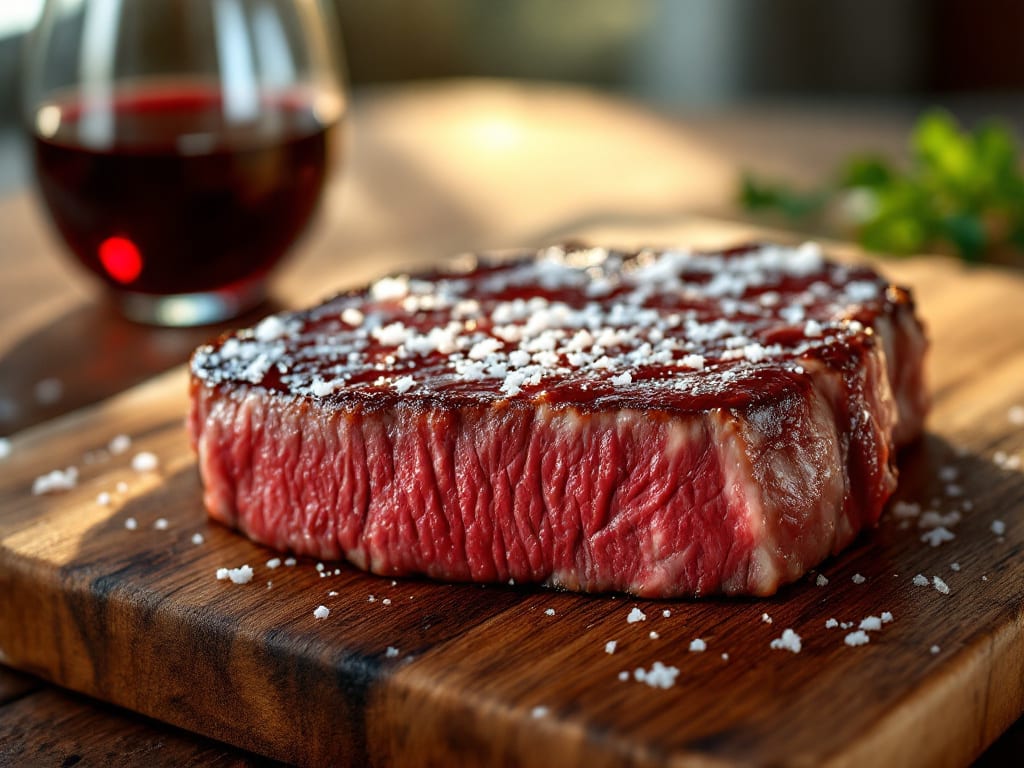
Achieving a sirloin strip steak with a buttery crust and perfectly juicy core is all about precision—temperature control, proper seasoning, and knowing exactly when to pull it from the heat.
After years of perfecting this technique, I’ve developed a method that delivers restaurant-quality results every time, whether you’re grilling outdoors or searing in a cast-iron skillet at home. The secret lies in high heat and a simple, foolproof approach that transforms even the toughest cuts into melt-in-your-mouth perfection.
This recipe focuses on simple yet effective preparation: a dry rub of kosher salt and black pepper, a quick sear in a screaming-hot pan, and a precise internal temperature of 130°F for medium-rare (adjustable for your preference).
The crust forms in minutes, locking in juices while creating that coveted caramelized bark. No fancy marinades or complicated steps—just a well-seasoned steak, the right heat, and confidence in the process. The result?
A steak that’s juicy, smoky, and rich, with a crust so buttery it’ll have everyone asking for seconds.
Pair this steak with classic sides like garlic mashed potatoes or grilled asparagus to round out the meal, or serve it as the star of a simple platter with a squeeze of lemon and a sprinkle of fresh herbs.
The beauty of this method is its versatility—it works for weeknight dinners or special occasions, and the technique scales easily for feeding a crowd. Whether you’re a seasoned griller or a home cook looking to elevate your steak game, this recipe delivers professional results without the fuss.
Ready to cook? Let’s break down the exact steps—from trimming the steak to resting it properly—so you can achieve that perfect balance of crust and juiciness every single time. No guesswork, just guaranteed success.
Ingredients for sirloin strip steak
Precision-cut steak meets simple seasoning for restaurant-quality results at home.
| Ingredient | Amount | Notes |
|---|---|---|
| Sirloin Strip Steak 🥩 | 1 ½ lb | Center-cut, 1-inch thick, trimmed of fat |
| Diamond Crystal Kosher Salt 🧂 | 1 ½ tsp | Coarse grain for even seasoning |
| Freshly Ground Black Pepper 🌶️ | 1 tsp | Cracked peppercorns preferred |
| Unsalted Butter 🧈 | 2 tbsp | Cold, cut into 4 pieces |
| Extra-Virgin Olive Oil 🫒 | 1 tbsp | High smoke point for searing |
| Garlic Cloves 🧄 | 2 whole | Smudged for aroma, peeled |
| Fresh Rosemary Sprigs 🌿 | 2 whole | Thin stems removed, chopped |
| Fresh Thyme Leaves 🌿 | ¼ cup | Stems removed, finely chopped |
| Lemon Wedges 🍋 | 4 whole | For finishing, seeds removed |
| Cast-Iron Skillet 🔥 | 1 whole | 10-12 inch, preheated |
| Meat Thermometer 🌡️ | 1 whole | Instant-read, calibrated |
| Butter Lettuce Leaves 🥬 | 4 whole | For serving, optional garnish |
| Flaky Sea Salt 🧂 | ½ tsp | For finishing, Maldon preferred |
The sirloin strip steak is the foundation—center-cut ensures tenderness, while the 1-inch thickness guarantees a perfect crust-to-juice ratio. Source from a trusted butcher or high-end grocer like Whole Foods or D’Artagnan for optimal marbling and butcher-cut precision. Trim excess fat to prevent flare-ups during searing, but leave a thin layer for flavor. The steak should be at room temperature before cooking (30-45 minutes out of the fridge). For large batches, use Costco’s pre-trimmed steaks—they’re consistently reliable for crowd feeding. Look for vibrant red color and firm texture; avoid steaks with grayish edges or excessive marbling.
No Diamond Crystal kosher salt? Morton’s coarse kosher salt works identically, but avoid table salt—its fine grain won’t adhere properly. Freshly cracked black pepper is non-negotiable; pre-ground loses potency within weeks. The extra-virgin olive oil must have a high smoke point (look for ‘light’ or ‘refined’ labels if concerned). Swap butter for ghee if lactose sensitivity is a concern—it has a higher smoke point. The aromatics (garlic, rosemary, thyme) can be adjusted: double the thyme if you prefer earthier notes, or add 1 tsp smoked paprika for depth. For a smoky twist, substitute half the rosemary with fresh sage. Always use fresh herbs—they brighten the crust significantly compared to dried.
Steak reheats poorly, so cook to final temperature and rest immediately. Store leftovers in an airtight container for 3-4 days in the fridge, but plan to eat within 24 hours for peak texture. For freezing, wrap tightly in parchment and foil—3 months max. The butter lettuce should be stored in a sealed container with a paper towel to absorb moisture. To revive day-old steak, sear briefly in a hot pan with a splash of beef broth and fresh herbs. The meat thermometer is your best friend—calibrate annually for accuracy. For restaurant-style plating, arrange steak slices on a bed of wilted spinach with a drizzle of reduced pan juices.
Why You’ll Love This Recipe
- Five-Ingredient Magic: I swear by this recipe because it’s that simple—just salt, pepper, butter, oil, and steak. No fancy marinades, no chopping, no stress. Honestly, I’ve made it while waiting for the oven to preheat for something else.
- Butter-Basted Bliss: That moment when you baste the steak with melted butter? Pure satisfaction. The crust gets golden, the inside stays juicy, and the flavor? Ridiculously good—like a restaurant-worthy bite without the fuss.
- Weeknight to Weekend: Between us, this steak works for everything. Toss it on the grill for summer BBQs, sear it in a cast-iron for a cozy Tuesday, or even prep it ahead for meal prep. (Yes, even on a Tuesday night.)
- Leftovers That Don’t Suck: Most steak leftovers are sad. Not this one. Slice it up for sandwiches the next day—still tender, still packed with flavor. And because strip steak is budget-friendly, you’re not breaking the bank for seconds.
Step-by-step instructions for sirloin strip steak
Here’s the method for achieving a perfect crust with a juicy, smoky interior every time.
Season and Prep the Steak
Pat the 1.5 lb sirloin strip steak dry with paper towels, removing any excess moisture from the surface. This step is crucial for achieving that perfect sear. Rub both sides generously with the 1.5 tsp diamond crystal kosher salt and 1 tsp freshly ground black pepper, pressing firmly to ensure even distribution.
Let the seasoned steak sit at room temperature for 30 minutes before cooking. This allows for even cooking throughout and prevents the exterior from overcooking before the interior reaches the desired temperature. The steak should be at room temperature when it enters the hot skillet.
Sear the Steak to Develop Crust
Heat the 1 whole cast-iron skillet over high heat until it’s very hot—you should see a thin layer of steam evaporate when you sprinkle a few drops of water into the pan. Add the 1 tbsp extra-virgin olive oil and let it get shimmering hot for about 1 minute.
Place the steak in the skillet and press down gently with a spatula during the first minute to ensure even contact with the hot surface. This prevents curling and ensures an even crust. Cook for 3-4 minutes on each side, or until you develop a deep golden-brown crust. The steak should release easily from the skillet when ready to flip.
Finish with Butter and Aromatics
Remove the steak from the skillet and reduce the heat to medium. Add the 2 tbsp unsalted butter, cut into 4 pieces, along with the 2 whole garlic cloves, 2 whole fresh rosemary sprigs, and 0.25 cup fresh thyme leaves. Tilt the skillet slightly and spoon the melted butter over the steak for 1 minute, basting it thoroughly.
This basting step infuses the steak with rich, aromatic flavors while keeping it moist. The butter should foam and turn a lovely golden color. Remove the steak to a cutting board and tent loosely with aluminum foil to keep it warm while it rests.
Check Temperature and Rest
Use the 1 whole meat thermometer to check the internal temperature of the steak. For medium-rare doneness, aim for 130-135°F. If the steak is slightly underdone, return it to the skillet for an additional 1-2 minutes on each side. If it’s slightly overdone, proceed to resting—it will carry over in temperature.
Let the steak rest for 5-10 minutes before slicing. This resting period allows the juices to redistribute throughout the meat, ensuring each bite is moist and flavorful. The steak should be at least 125°F when you slice it to prevent excessive carryover cooking.
Serve with Finishing Touches
Slice the steak against the grain into ½-inch thick pieces. Arrange the slices on the 4 whole butter lettuce leaves for serving. Sprinkle each serving with 0.125 tsp flaky sea salt and top with 1 whole lemon wedge. The bright acidity of the lemon will cut through the richness of the butter and enhance the overall flavor profile.
Serve immediately, allowing each guest to enjoy the perfect balance of a buttery crust and a juicy, smoky core. The steak should be tender with a slight resistance, indicating proper doneness, and each bite should deliver rich, savory flavors with a hint of aromatic herbs.
Pro Tips For Making Sirloin Strip Steak
- Salt the Night Before: I learned this the hard way—salting steak 12-24 hours ahead lets the salt penetrate deeper, so you don’t end up with a dry crust and bland interior. Use about 1 teaspoon of Diamond Crystal per pound (it’s coarser than table salt), pat it on, then refrigerate uncovered.
- Start Sizzling, Then Slow: Crank your cast-iron to smoking hot, add olive oil, then butter—wait for it to foam before laying down the steak. After 2 minutes, drop heat to medium and cook to your preferred temp; high heat all the way leads to charred edges and uneven doneness.
- Skip the Tongs: Poking with tongs pierces the crust and releases juices. Use a thin metal spatula instead—it flips cleanly and keeps that golden sear intact. (Yes, it takes a little practice, but your steak will thank you.)
- Rest Under Foil: Give it a solid 5-10 minutes under foil after plating—this isn’t just resting, it’s redistributing juices so every bite stays juicy. I used to skip this, and my first cut was always dry. (Your future self will thank you.)
Dietary considerations for this sirloin strip steak
Gluten-Free Adaptations
This recipe is naturally gluten-free, but watch for cross-contamination if using shared equipment. Always clean your cast-iron skillet thoroughly with hot water and a stiff brush before cooking. For extra precaution, I recommend using a separate skillet or a well-seasoned Lodge cast iron that’s dedicated to gluten-free cooking.
The kosher salt and pepper used in the dry rub are also gluten-free, but double-check labels if you’re highly sensitive. 🌾
Dairy-Free Substitutions
For a dairy-free version, replace the 2 tbsp unsalted butter with 2 tbsp ghee or vegetable shortening for basting. Ghee has a higher smoke point and adds a rich, nutty flavor without lactose.
You can also use olive oil instead, though it won’t create the same buttery crust. Keep the aromatics (garlic, rosemary, thyme) the same—they complement the steak beautifully without dairy. 🧈
Low-Carb/Keto Friendly
This recipe is already keto-friendly, as it contains no added sugars or high-carb ingredients. The steak provides high-quality protein and healthy fats, while the butter and olive oil add richness without carbs.
For an even lower-carb option, skip the butter lettuce garnish and serve the steak over cauliflower rice or a bed of zucchini noodles. The lemon wedges add acidity without carbs, making this a perfect fit for keto diets. 🥬
Allergen Considerations
If you’re serving guests with allergies, note that this recipe contains no common allergens except for potential cross-contamination with dairy (if using butter). For nut allergies, ensure your olive oil is nut-free (some brands process oils in facilities with nuts).
The fresh herbs and garlic are typically safe, but always verify with suppliers if severe allergies are present. I always keep a separate cutting board for allergens to prevent accidental contamination. 🌿
Lean Protein Version
For a leaner cut, trim all visible fat from the steak before cooking—this reduces calories while keeping flavor. Use a leaner sirloin strip (about 10% fat content) and reduce the butter to 1 tbsp to cut saturated fat.
The crust will still form beautifully, but the steak will be lighter. Pair with steamed broccoli or a cucumber salad to balance the meal. 🥦
Nutrition facts
Frequently asked questions
What’s the best way to trim a sirloin strip steak for perfect cooking?
Use a sharp knife to trim excess fat from all sides, leaving a thin layer (about 1/8-inch) for flavor. Focus on removing any thick fat caps or silverskin, which can prevent even searing. A butcher can do this for you if you prefer—just ask for a center-cut steak with the fat trimmed.
Can I cook this steak on a grill instead of a skillet?
Preheat your grill to high heat (450-500°F) and oil the grates well. Sear the steak for 3-4 minutes per side, then move to indirect heat to finish to your desired temperature. For extra flavor, add wood chips (hickory or apple work well) during the last 5 minutes of cooking.
Why does my steak turn out dry even when I use a meat thermometer?
Overcooking is the most common cause—steak continues cooking after removal from heat. Always aim for 125°F (rare) to 135°F (medium-rare) and let it rest 5-10 minutes before slicing. Also check your thermometer’s accuracy by testing it in boiling water (should read 212°F).
What’s the best way to reheat leftover sirloin strip steak?
Reheat gently in a skillet over medium-low heat for 2-3 minutes per side with a splash of beef broth. Never microwave—it makes steak tough. For cold slices, serve with a side of warm compound butter or chimichurri to revive the flavors.
How do I adjust this recipe for a thicker steak?
For steaks over 1.5 inches thick, reduce cooking time by 1 minute per side and check temperature earlier. A 2-inch steak might only need 2-3 minutes per side for medium-rare. Always use your thermometer—thicker cuts need more precise timing to avoid overcooking.

- Beef Pikes Peak Roast Recipe: Slow-Cooked Richness With Herbed Crust - November 29, 2026
- Brine Pork Ribs Overnight Recipe: Fall-Apart Tenderness Without the Wait - November 29, 2026
- Chilli Sauce for Hot Dogs Recipe: Smoky-Sweet Glaze That Elevates Every Bite - November 29, 2026