
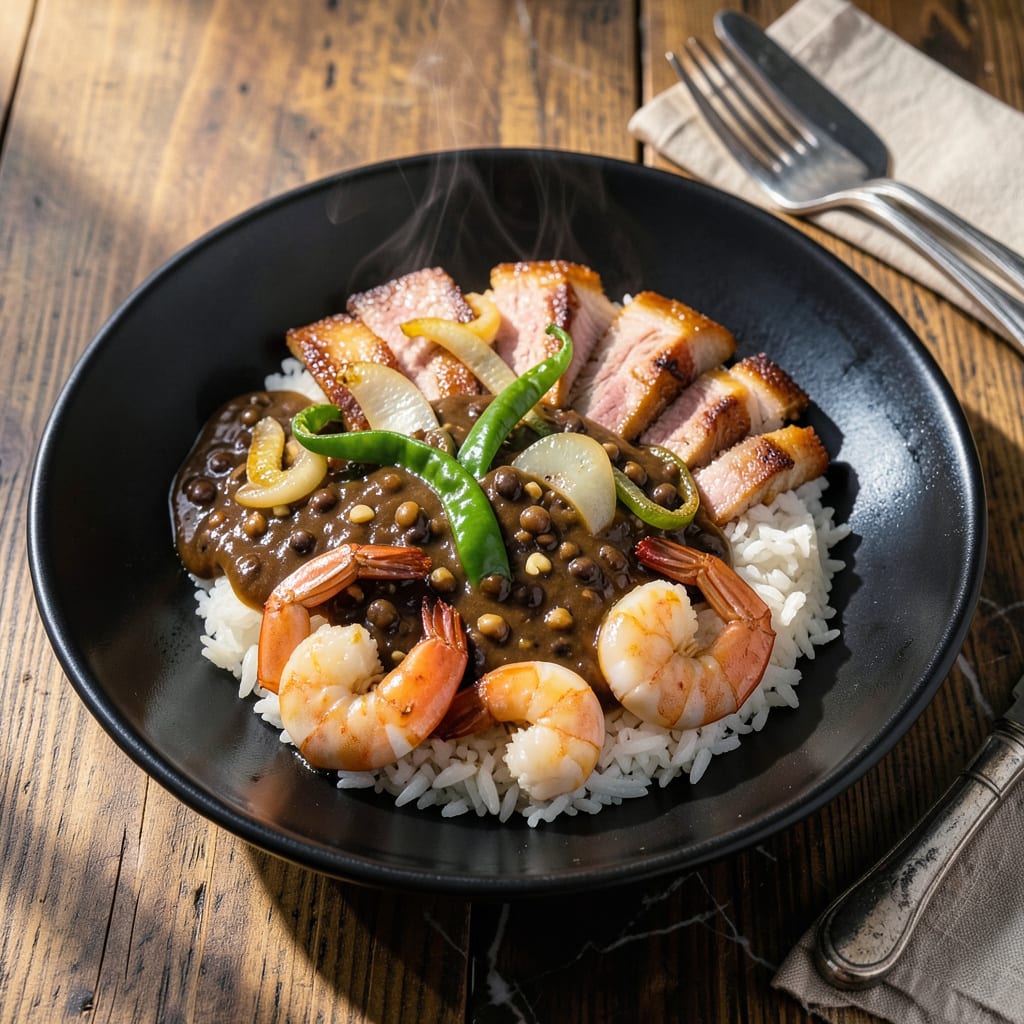
This homemade version of Lee Kum Kee-style black bean garlic sauce combines fermented black beans, garlic, soy sauce, and aromatics for a savory, umami-rich condiment. Simmer for 15 minutes, blend until smooth, and store in an airtight container for up to 3 weeks.
Capturing that signature restaurant-quality depth starts with the right fermented black beans—they’re the backbone of the sauce’s complex, salty-sweet character. 🔥 I’ve found that lightly toasting the garlic before simmering enhances its natural sweetness, while a splash of rice wine vinegar brightens the heavy umami notes. The key is balancing the saltiness of the soy with just enough sugar to round out the flavors, mimicking Lee Kum Kee’s iconic profile without overpowering the dish.
What sets this apart from store-bought versions is the control you have over texture and intensity. A quick pulse in the blender keeps it slightly rustic, while a longer blend creates that silky, restaurant-style consistency. For best results, let the sauce rest overnight—the flavors meld and deepen, making it even more versatile for stir-fries, marinades, or dipping. ✨
💡 In This Article
- Key Ingredients That Define Authentic Black Bean Garlic Sauce
- Step-by-Step Cooking Tips for Perfect Homemade Sauce
Key Ingredients That Define Authentic Black Bean Garlic Sauce
The magic starts with fermented black beans—not regular black beans. These salted, preserved soybeans develop deep umami through months of fermentation, creating a funky, salty complexity that regular beans can’t match.
Lee Kum Kee’s version uses a specific ratio: about 1 part fermented beans to 2 parts garlic, ensuring the garlic’s sweetness balances the beans’ intensity without overpowering it.
Garlic isn’t just added raw—it’s typically lightly fried in oil first to mellow its sharpness and develop nutty undertones. The oil temperature matters: 300-325°F is ideal to avoid burning while extracting maximum flavor.
Soy sauce provides the salty backbone, but the secret is in the sugar balance—Lee Kum Kee uses just enough (1-2 teaspoons per cup) to round out the flavors without making it sweet.
Fermented chili paste (like doubanjiang) is often included in traditional versions, adding a subtle heat and extra depth. The difference between store-bought and homemade? Freshness. Commercial versions use preservatives, while your homemade batch will have brighter garlic notes and a more pronounced fermented bean aroma—especially noticeable in the first 24-48 hours after making it. 🌟
Modern substitutions can work in a pinch, but they change the profile. Regular black beans lack the fermented depth, while garlic powder can’t replicate fresh garlic’s complexity. The soy sauce choice matters too—light soy gives a cleaner saltiness, while dark soy adds caramelized richness.
I’ve found that a 50/50 blend of both mimics Lee Kum Kee’s balanced flavor best.
What most people don’t realize is that the sauce’s thickness comes from the beans’ natural starches, not added thickeners. Simmering for 12-15 minutes breaks down these starches just enough to create that perfect clingy consistency—thick enough to coat stir-fry ingredients but still pourable.
The longer you simmer, the deeper the flavors meld, but go beyond 20 minutes and you risk losing the fresh garlic notes.
Even the oil choice affects the final product. Neutral oils like vegetable or peanut let the fermented flavors shine, while sesame oil (used sparingly) adds a toasty aroma. The traditional version uses lard for richness, but modern recipes often skip it for dietary reasons.
For a vegetarian version, mushroom powder can boost umami to compensate for the missing animal fat. ✨
Storage changes the sauce over time. In the first week, the garlic flavor remains bright and sharp. By week two, the fermented notes deepen as the flavors continue to meld.
This evolution is why restaurant chefs often make large batches—the sauce actually improves with age, much like a fine wine, reaching peak complexity around the 10-day mark before slowly declining.

- BBQ Sausage Recipe Oven: Smoky Depth Without the Grill - September 28, 2026
- BBQ Chicken Bowl Recipe Rice: Smoky Sweetness Over Fluffy Grains - September 28, 2026
- Beef Cutlet Recipe Ideas: Crispy Breaded Patties With Bold Seasonings - September 28, 2026