
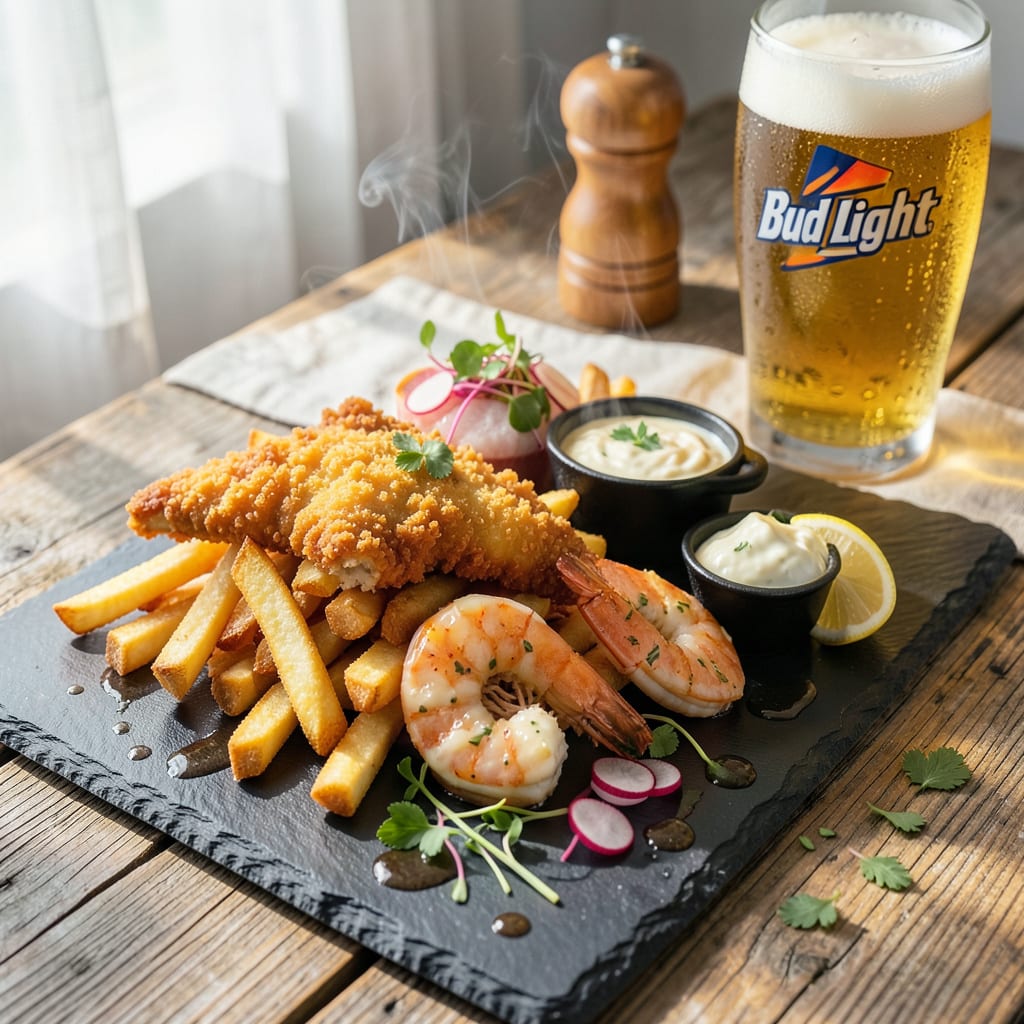
To clone Bud Light at home, use a light American lager recipe with 6-row barley malt, rice adjuncts (20-30%), and a clean fermenting lager yeast. Target 4.2% ABV, 10 IBUs with mild hops like Hallertau, and ferment at 48-52°F for crispness.
Crafting this iconic light lager at home requires precision in both ingredients and process. The rice adjuncts are crucial—they lighten the body while maintaining fermentability, giving that signature crisp finish. I’ve found that maintaining strict temperature control during fermentation is non-negotiable; even slight fluctuations can introduce unwanted esters or fusel alcohols. 🔥
What sets this apart from other lagers is the delicate balance of low bitterness and high drinkability. The Hallertau hops provide just enough character without overpowering, while the 6-row barley ensures proper enzyme activity for conversion. For homebrewers, patience during the lagering phase (typically 4-6 weeks) is key to achieving that smooth, clean profile.
💡 In This Article
- Key Ingredients That Define Bud Light’s Light Lager Flavor
- Step-by-Step Homebrewing Process for a Bud Light Clone
Key Ingredients That Define Bud Light’s Light Lager Flavor
The foundation of this light lager starts with 6-row barley malt, which contains higher enzyme levels than 2-row varieties. These enzymes break down starches more efficiently, creating a highly fermentable wort that results in a drier, crisper finish.
Commercial breweries like Anheuser-Busch use this grain because it converts adjuncts (like rice) more completely, maximizing alcohol yield while keeping the body light. 🔥
Rice adjuncts (typically 20-30% of the grist) are the secret to that signature clean, neutral flavor. Unlike wheat or oats, rice contributes almost no flavor of its own—it simply dilutes the malt character while boosting fermentability. This is why Bud Light feels “lighter” than all-malt beers; the rice thins the body without adding sweetness.
Homebrewers often use flaked rice or rice syrup solids for easier handling compared to commercial rice grits.
The hop profile is intentionally subdued—Hallertau Mittelfrüh or similar noble hops at just 8-12 IBUs provide gentle bitterness without aromatic punch. This minimal hop presence allows the crisp malt-rice balance to dominate.
The yeast strain (often Wyeast 2035 or White Labs WLP840) is critical too; these lager strains ferment cleanly at 48-52°F, producing no fruity esters or spicy phenols that would clash with the delicate profile.
Commercial breweries achieve consistency through precise water chemistry adjustments—particularly sulfate-to-chloride ratios—that enhance crispness. At home, you can approximate this with 1:1 sulfate-to-chloride in your brewing water. The real challenge is replicating their high-gravity brewing process (starting with extra-strong wort, then diluting post-fermentation), which homebrewers simulate by adjusting grain bills and boil volumes carefully. ✨
One often-overlooked factor is the corn syrup some commercial versions use alongside rice. While purists might balk, this adjunct further lightens body and boosts fermentability. For home clones, 10-15% corn sugar in the fermentables can mimic this effect without altering flavor.
The key is maintaining that 4.2% ABV target—high enough for drinkability, low enough to stay “light” in both body and perception.
Temperature control during fermentation cannot be overstated. Even 2°F fluctuations above 52°F can produce unwanted fruity notes. Professional breweries use massive glycol-chilled tanks; homebrewers should invest in a fermentation chamber or swamp cooler setup.
The extended 4-6 week lagering period at near-freezing temperatures (32-35°F) is what smooths out any remaining harshness, creating that signature clean finish. ❄️
What most homebrewers miss is the carbonation level—Bud Light sits at about 2.6-2.7 volumes of CO₂, higher than many craft lagers. This aggressive carbonation enhances the perception of lightness and crispness.
Force carbonating to this level (or using 4.5 oz of priming sugar per 5-gallon batch) makes all the difference between a “good” clone and one that’s indistinguishable from the original. 💫

- BBQ Sausage Recipe Oven: Smoky Depth Without the Grill - September 28, 2026
- BBQ Chicken Bowl Recipe Rice: Smoky Sweetness Over Fluffy Grains - September 28, 2026
- Beef Cutlet Recipe Ideas: Crispy Breaded Patties With Bold Seasonings - September 28, 2026