
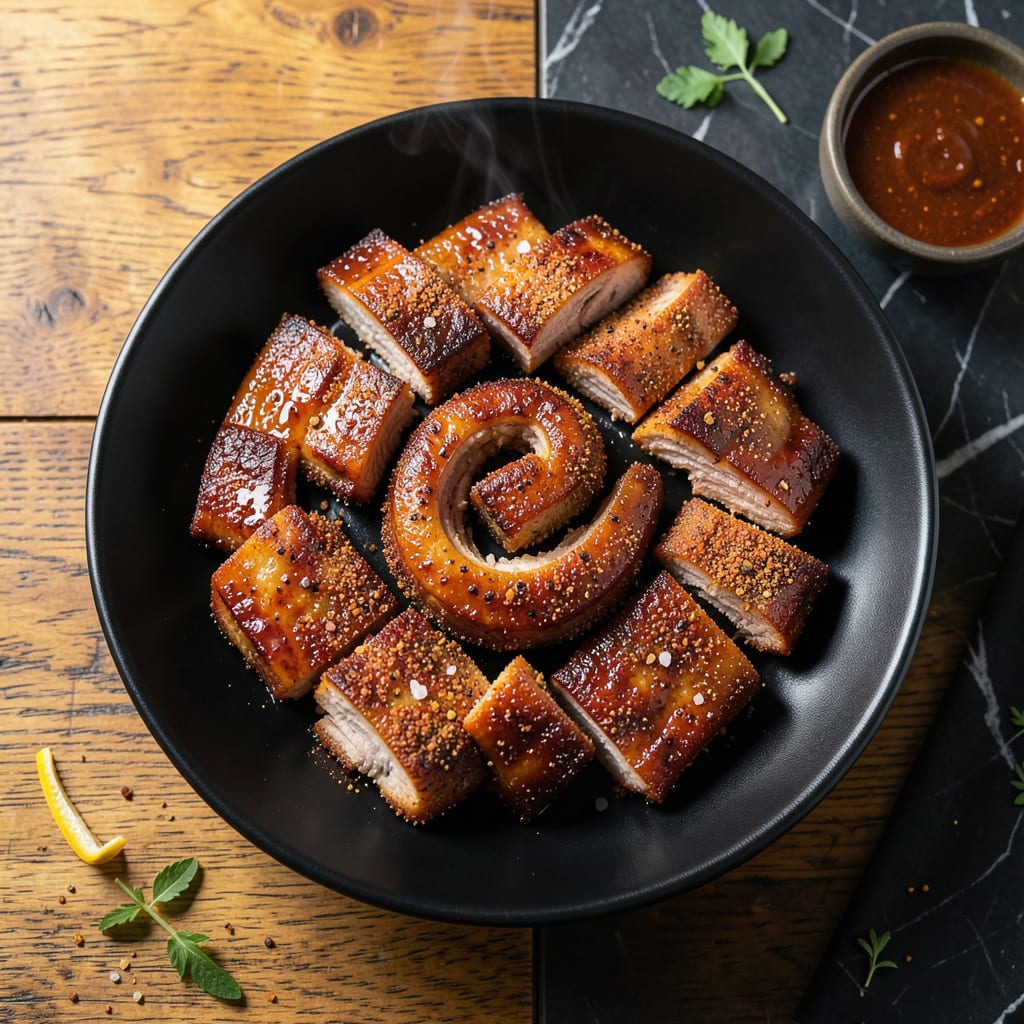
This oven-braised method transforms tough cuts into fall-off-the-bone tenderness with deep smoky flavor. The low and slow approach ensures every bite delivers rich, caramelized perfection without needing a smoker.
With simple seasonings and a few hours in the oven, you’ll achieve restaurant-quality results that rival any barbecue joint. The meat absorbs the braising liquid, creating succulent, flavorful ribs worth the wait.
Ingredients for Boneless Spare Ribs
Transform tough cuts with these bold, smoky ingredients for fall-apart tenderness every time.
| Ingredient | Amount | Notes |
|---|---|---|
| Boneless Pork Spare Ribs 🥩 | 3 lb | Cut into 2-inch pieces |
| Smoked Paprika 🌶️ | 1 ½ tbsp | For deep smoky flavor |
| Garlic Powder 🧄 | 1 tbsp | Freshly ground preferred |
| Onion Powder 🧅 | 1 tbsp | Balances the seasoning blend |
| Brown Sugar 🍚 | ¼ cup | Light or dark, packed |
| Kosher Salt 🧂 | 1 tbsp | Diamond Crystal preferred |
| Black Pepper 🌶️ | 1 tsp | Freshly ground for best results |
| Apple Cider Vinegar 🍏 | ¼ cup | For acidity and balance |
| Tomato Paste 🍅 | 2 tbsp | For richness and depth |
| Beef Broth 🥘 | 1 ½ cups | Low-sodium for control |
| Olive Oil 🫒 | 2 tbsp | For searing the ribs |
| Liquid Smoke 🔥 | 1 tsp | Optional, enhances smokiness |
| Fresh Thyme 🌿 | 1 tbsp | Chopped, for aromatic finish |
The pork is the foundation here. Boneless spare ribs from Costco or your local butcher ensure consistent quality and marbling. Look for ribs with good fat content—it renders down during braising, creating that signature succulence. Avoid pre-cut ribs if possible; a whole slab lets you control the size. The smoked paprika should be fresh (check the expiry date) for maximum potency.
No liquid smoke? Chipotle powder at half the amount adds similar depth. Short on brown sugar? Molasses or maple syrup can substitute, though the flavor profile shifts slightly. If apple cider vinegar isn’t on hand, rice vinegar or white vinegar works in a pinch. The beef broth can be swapped for vegetable broth, but it won’t have the same richness. Fresh thyme? Dried thyme at one-third the amount is fine.
Braise the ribs in a heavy pot with a tight lid—Dutch ovens work best. Leftovers keep 4-5 days in the fridge or freeze for 3 months. Reheat gently in the braising liquid to maintain moisture. The flavor deepens overnight, making this even better as leftovers.
Why You’ll Love This Recipe
- I’ll be real: boneless ribs are cheaper than bone-in, and leftovers taste even better the next day.
- One Pan Wonder: I toss the ribs with the spices and sugar, then let the oven do all the work—minimal mess, maximum flavor.
- Sweet & Smoky: That brown sugar crust with smoked paprika? It’s the reason my family lingers at the table.
- Crowd Pleaser: Between us, it’s my go-to for game nights, birthdays, or when I need to feed a hungry group without fuss.
Step-by-Step Instructions for Smoky Oven-Braised Boneless Spare Ribs
This method delivers tender, fall-off-the-bone ribs with a rich, smoky-sweet sauce every time.
Step 1: Season and Sear the Ribs
Pat the 3 lb Boneless Pork Spare Ribs dry with paper towels and cut into 2-inch pieces. In a bowl, combine the 1.5 tbsp Smoked Paprika, 1 tbsp Garlic Powder, 1 tbsp Onion Powder, 0.25 cup Brown Sugar, 1 tbsp Kosher Salt, and 1 tsp Black Pepper. Coat the ribs evenly with this rub, pressing it into the meat for maximum adhesion.
Heat the 2 tbsp Olive Oil in a large Dutch oven over medium-high heat. Working in batches, sear the ribs for 2-3 minutes per side until deeply browned. Don’t overcrowd the pan—this ensures a proper sear rather than steaming. Transfer the seared ribs to a plate and set aside.
Step 2: Build the Braising Liquid
In the same Dutch oven, reduce the heat to medium. Add the 2 tbsp Tomato Paste and cook for 1 minute, stirring constantly, until it darkens slightly. This step deepens the flavor base of your braising liquid.
Pour in the 0.25 cup Apple Cider Vinegar, scraping up any browned bits from the bottom of the pan. Add the 1.5 cups Beef Broth, 1 tsp Liquid Smoke, and 1 tbsp Fresh Thyme. Stir to combine, then bring the mixture to a gentle simmer.
Step 3: Braise the Ribs to Tenderness
Return the seared ribs to the Dutch oven, submerging them in the braising liquid as much as possible. Cover with a tight-fitting lid and transfer to a preheated 325°F oven. Braise for 2 to 2.5 hours, or until the ribs are fork-tender and nearly falling apart.
Check the ribs halfway through the cooking time. If the liquid has reduced too much, add a splash of water or additional beef broth to keep the ribs partially submerged. This prevents them from drying out and ensures even cooking.
Step 4: Reduce the Sauce and Finish
Once the ribs are tender, carefully transfer them to a serving platter. Place the Dutch oven on the stovetop over medium heat and simmer the braising liquid for 5-7 minutes until it thickens into a glossy, rich sauce.
Pour the reduced sauce over the ribs, ensuring each piece is well-coated. Let the ribs rest for 5 minutes before serving to allow the flavors to meld. Garnish with additional fresh thyme if desired, and serve with the sauce spooned over the top.
Pro Tips For Making Boneless Spare Ribs
- Low and Slow Wins: Cook these ribs at 275°F for 2.5-3 hours—I learned the hard way that cranking the heat just dries them out. The collagen needs time to melt into that perfect tenderness.
- Score the Meat: Lightly cut crosshatches into the surface before seasoning. Sounds weird, but it works: the rub penetrates deeper and the sauce clings better to every bite.
- Skip the Boiling: Resist the urge to parboil the ribs first. After trying both ways, I can guarantee the texture suffers and you wash away flavor that should stay in the meat.
- Rest Before Serving: Give them a solid 10 minutes under foil after cooking—yes, even if you’re impatient like me. The juices redistribute and you won’t lose half the moisture when you slice.
Pro Cooking Tips for This Dish
Searing Perfection
Always pat the ribs completely dry before searing—this ensures a deep brown crust. Use medium-high heat and 2 tbsp olive oil in your Dutch oven. I sear in small batches to avoid steaming the meat. 🔥
Braising Liquid Balance
The apple cider vinegar brightens the rich braising liquid. After deglazing, taste and adjust acidity—add 1 tsp more vinegar if needed. The tomato paste should darken slightly when cooked to develop its full potential.
Oven Temperature Control
Maintain 325°F precisely for even cooking. If your oven runs hot, set it to 300°F and extend braising time by 30 minutes. I check the ribs at 2 hours—they’re done when a fork slides in effortlessly.
Sauce Reduction Trick
After removing the ribs, skim excess fat from the braising liquid before reducing. Simmer uncovered over medium heat for 5-7 minutes until it coats the back of a spoon. This creates a glossy, flavorful sauce.
Resting Importance
Let the ribs rest 5 minutes before serving—this lets juices redistribute. I tent them loosely with foil to keep warm. The sauce thickens slightly as it cools, clinging better to each piece.
Nutrition Facts
Frequently Asked Questions
What’s the best way to keep ribs moist?
Braise them in enough liquid to cover at least halfway. Use a tight-fitting lid and check at 2 hours. Add more beef broth if needed to prevent drying.
Can I make this in a slow cooker?
Yes! Sear first, then cook on low for 6-8 hours or high for 4-5 hours. The texture will be slightly different but still tender.
How do I know when they’re done?
The ribs are ready when a fork slides in with zero resistance. At 325°F, this takes about 2-2.5 hours. Never rush the process.
Can I prepare this the day before?
The flavor improves overnight. Reheat gently in the sauce at 300°F for 20-30 minutes.

- BBQ Sausage Recipe Oven: Smoky Depth Without the Grill - September 28, 2026
- BBQ Chicken Bowl Recipe Rice: Smoky Sweetness Over Fluffy Grains - September 28, 2026
- Beef Cutlet Recipe Ideas: Crispy Breaded Patties With Bold Seasonings - September 28, 2026