
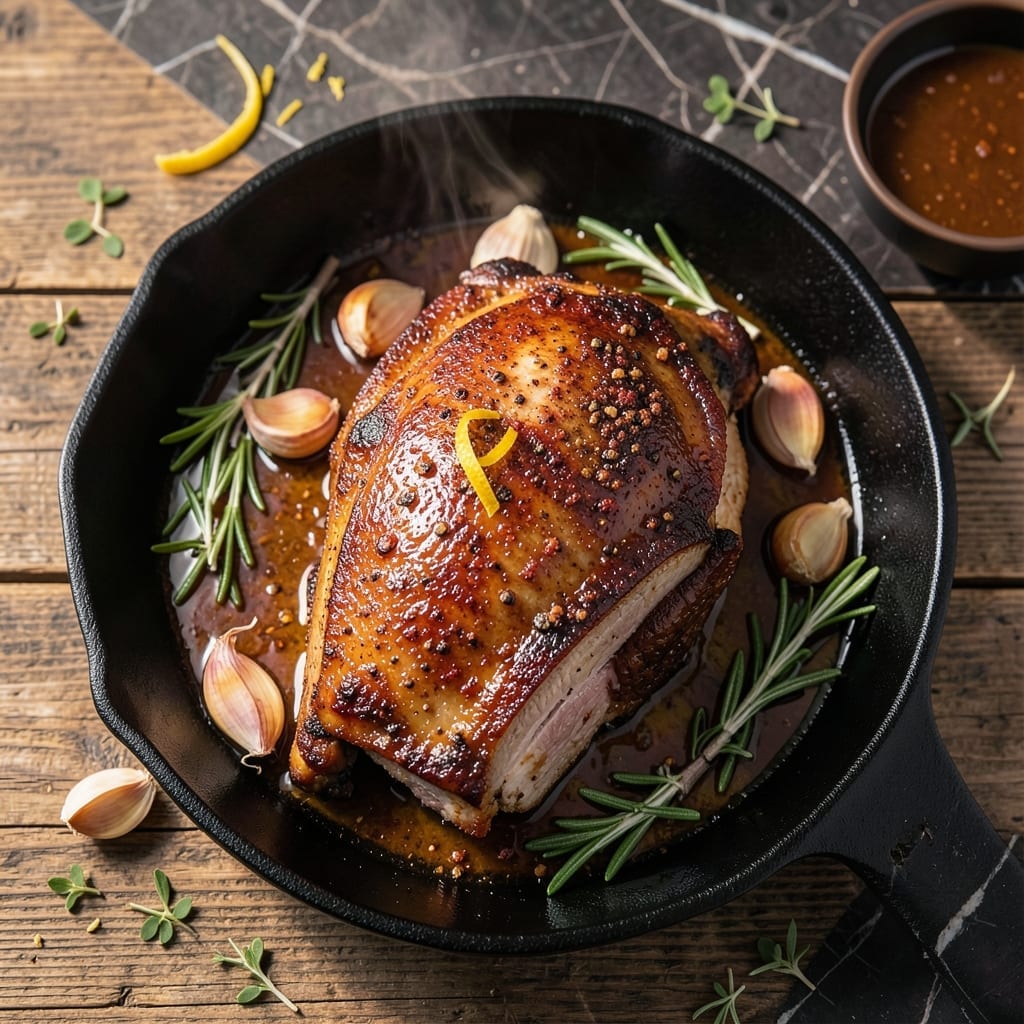
This oven method delivers juicy pork shoulder with a crispy bark without the need for a smoker. The low-and-slow approach breaks down the collagen, ensuring fall-apart tenderness.
Season generously, roast at 300°F, and let it rest. The result is tender meat with a perfect caramelized crust.
Ingredients for Boston Butt Recipe Oven
Pantry staples and a single cut of pork create this showstopper with minimal effort.
| Ingredient | Amount | Notes |
|---|---|---|
| Boston Butt Pork Shoulder 🥩 | 4 lb | Bone-in preferred for flavor |
| Kosher Salt 🧂 | 2 tbsp | Diamond Crystal brand preferred |
| Freshly Ground Black Pepper 🌶️ | 2 tbsp | Coarse grind for texture |
| Brown Sugar 🍚 | ½ cup | Light or dark variety |
| Smoked Paprika 🌶️ | 2 tsp | Sweet or hot variety |
| Garlic Powder 🧄 | 1 tbsp | Not garlic salt |
| Onion Powder 🧅 | 1 tbsp | Fresh ground preferred |
| Dried Oregano 🍃 | 1 tbsp | Mediterranean variety |
| Dijon Mustard 🟡 | 2 tbsp | Smooth, not whole grain |
| Apple Cider Vinegar 🍏 | ¼ cup | For acidity balance |
| Olive Oil 🫒 | 2 tbsp | Extra-virgin for richness |
| Yellow Mustard 🟡 | 2 tbsp | For tangy bark |
The pork shoulder is non-negotiable here. Boston butt (despite the name) is the cut you want—look for bone-in with good marbling at Whole Foods or Costco. The bone adds flavor, and marbling equals juiciness. Avoid pre-cut chunks; a whole roast lets you control the size and fat content. Ask the butcher for a 4-pound piece with the skin left on for extra crispiness.
No brown sugar? Honey or maple syrup works in a pinch (though it’ll darken faster). Out of Dijon? Whole-grain mustard adds texture but changes the bark slightly. Smoked paprika can be swapped for regular, but you’ll lose that deep, smoky depth. The vinegar is key for balance—white vinegar in a 1:1 swap if you’re out of cider. Don’t skip the mustard; it’s what gives the bark its signature tang.
The seasoned pork can sit overnight in the fridge—actually improves flavor. Leftovers keep for 4-5 days wrapped tight, or freeze for 3 months. Reheat gently in a covered dish with a splash of broth to maintain moisture. The rendered fat from the roast is liquid gold for potatoes or beans later.
Why You’ll Love This Recipe
- I’ll be real: this Boston butt gives me enough for tacos, sandwiches, and leftovers for days.
- Set It and Forget: The oven does all the work while I kick back—just rub the pork with salt, pepper, brown sugar, and smoked paprika, then let it roast low and slow.
- Sweet and Smoky: That brown sugar crust with a hint of smoked paprika? Ridiculously good, like a BBQ joint without leaving my kitchen.
- Feeds a Crowd: I’ll be real: this Boston butt gives me enough for tacos, sandwiches, and leftovers for days.
Step-by-Step Instructions for Boston Butt Oven Roast
Here’s the tested method for achieving fall-apart tenderness with a caramelized exterior.
Step 1: Apply the Dry Rub and Marinate
Combine the 2 tbsp Kosher Salt, 2 tbsp Freshly Ground Black Pepper, 0.5 cup Brown Sugar, 2 tsp Smoked Paprika, 1 tbsp Garlic Powder, 1 tbsp Onion Powder, and 1 tbsp Dried Oregano in a bowl. Pat the 4 lb Boston Butt Pork Shoulder completely dry with paper towels, then rub the spice mixture aggressively into all surfaces, including the crevices.
The sugar in the rub will caramelize during cooking, creating that coveted bark. I let the seasoned pork sit uncovered in the refrigerator for 12-24 hours—this drying period is essential for developing both flavor penetration and the crispy exterior we’re after. The surface should look slightly tacky when it’s ready to cook.
Step 2: Prepare the Mustard and Vinegar Binder
In a separate bowl, whisk together the 2 tbsp Dijon Mustard, 2 tbsp Yellow Mustard, 0.25 cup Apple Cider Vinegar, and 2 tbsp Olive Oil until fully emulsified. This acidic binder not only adds complexity to the bark but also helps the dry rub adhere to the meat during the long cooking process.
Just before roasting, brush this mixture generously over the entire surface of the pork shoulder. The vinegar’s acidity will help tenderize the meat while the mustards contribute to the deep, tangy flavor profile characteristic of the finished dish. Don’t skip this step—it’s what separates good pulled pork from exceptional.
Step 3: Roast Low and Slow
Preheat your oven to 300°F. Place the pork shoulder fat-side up on a wire rack set in a roasting pan. This elevation allows heat to circulate evenly and prevents the meat from steaming in its own juices, which would compromise the bark development.
Roast uncovered for 5-6 hours until the internal temperature reaches 195-203°F and a probe inserts with no resistance. You’ll know it’s ready when the meat easily pulls apart with a fork. The surface should be a deep mahogany color with a slightly crispy, caramelized crust.
Step 4: Rest and Shred
Transfer the pork to a cutting board and tent loosely with foil. Let it rest for 30-45 minutes—this allows the juices to redistribute throughout the meat. I always resist the urge to dig in immediately; the resting period is when the collagen fully breaks down into gelatin, ensuring maximum juiciness.
Using two forks, shred the pork by pulling it apart along the natural grain. The meat should separate easily with minimal effort. Discard any large fat chunks, but leave some marbling for flavor. The result should be moist, tender strands with a beautiful bark mixed throughout—perfect for sandwiches or serving on its own.
Pro Tips For Making Boston Butt Recipe Oven
- Start Low and Slow: Set your oven to 275°F and plan for at least 8 hours—I learned this the hard way after pulling tough, undercooked pork at 325°F.
- Dry the Meat First: Pat the Boston Butt completely dry with paper towels before seasoning; the rub sticks better and you get a deeper crust, which matters most for that smoky bark.
- Skip the Foil Early: Resist the urge to wrap it in foil for the first 4-5 hours; I was skeptical until I tried it, but the uncovered time is what builds that rich, sticky exterior.
- Let It Rest: Give it a solid 30 minutes under foil after cooking—sounds weird, but it works: the juices redistribute and the meat stays moist when you pull it.
Best Sauces and Condiments for boston butt recipe oven
Classic BBQ Sauce
I always pair this pork with a tangy Kansas City-style BBQ sauce. Look for Sweet Baby Ray’s or Stubb’s—their balance of sweet, smoky, and acidity complements the bark perfectly. Apply ½ cup per pound after shredding and warm through. 🔥
Vinegar-Based Carolina
For a lighter option, try a Carolina vinegar sauce. Mix 1 cup apple cider vinegar, ½ cup water, ¼ cup brown sugar, 2 tbsp hot sauce, and 1 tbsp each salt and pepper. It cuts through the fat beautifully.
Alabama White Sauce
This mayonnaise-based sauce from Big Bob Gibson’s is a game-changer. Blend 2 cups mayo, ½ cup vinegar, ¼ cup horseradish, and 1 tbsp black pepper. Drizzle over pulled pork for a creamy, tangy twist.
Spicy Chipotle Ketchup
Mix 1 cup ketchup with 2 tbsp adobo sauce (from canned chipotles) and 1 tbsp honey. The smokiness pairs wonderfully with the pork’s caramelized crust. Adjust heat with minced chipotle peppers.
Mustard-Based South Carolina
Whisk 1 cup yellow mustard, ¼ cup vinegar, 2 tbsp brown sugar, and 1 tsp each garlic and onion powder. This bright, tangy sauce is perfect for those who prefer less sweetness.
Serve on the side or toss with the shredded meat for even distribution. ✨
Frequently Asked Questions
Can I cook this at a higher temperature to save time?
Not recommended. The low-and-slow method at 300°F is key for breaking down collagen. Higher heat will dry it out before it becomes tender.
Do I need to add liquid to the pan?
No liquid needed. The fat cap renders during cooking, basting the meat naturally. Adding liquid would steam rather than roast the pork.
How do I know when it’s done?
Use a meat thermometer. It’s ready at 195-203°F internally when a probe slides in like butter. The meat will pull apart easily.
Can I skip the overnight dry brine?
Yes, but the bark won’t be as crispy. For best results, let the seasoned pork sit uncovered in the fridge for 12-24 hours.
Nutrition Facts

- BBQ Sausage Recipe Oven: Smoky Depth Without the Grill - September 28, 2026
- BBQ Chicken Bowl Recipe Rice: Smoky Sweetness Over Fluffy Grains - September 28, 2026
- Beef Cutlet Recipe Ideas: Crispy Breaded Patties With Bold Seasonings - September 28, 2026