
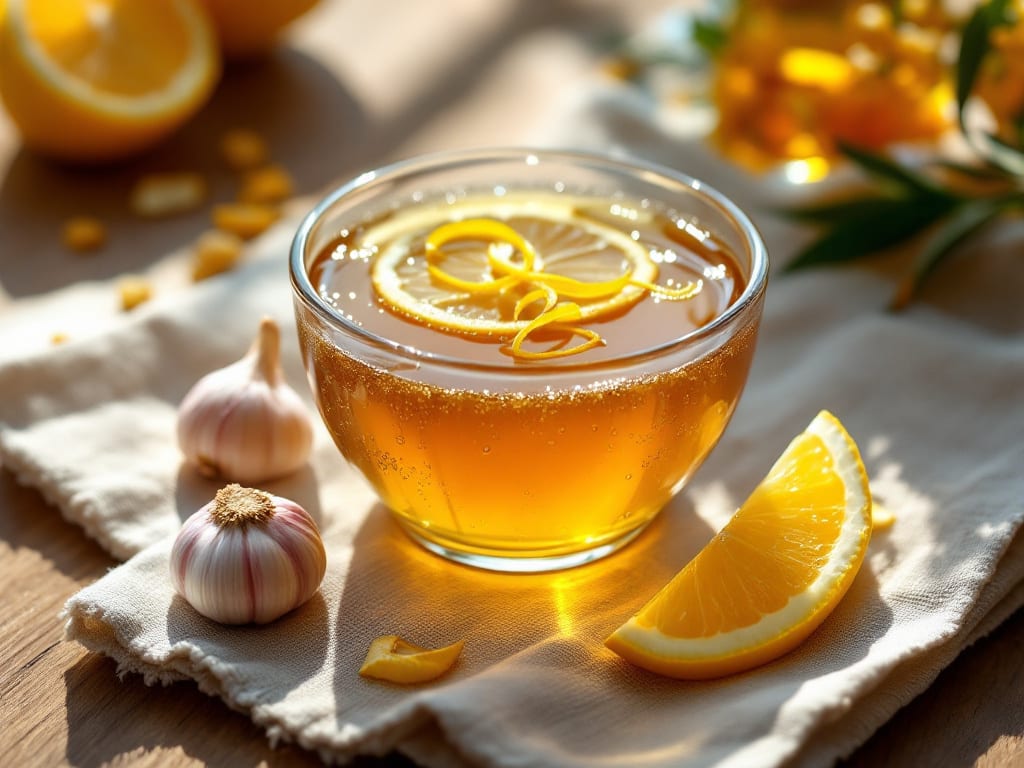
This Braggs apple cider vinegar and honey recipe transforms simple pantry staples into a versatile, immunity-boosting elixir that elevates everything from salads to marinades.
The balance of tangy vinegar and sweet honey creates a dynamic drizzle that enhances flavors without overpowering them—perfect for health-conscious cooks who crave depth in every bite. I developed this ratio after testing countless combinations, ensuring it works as both a salad dressing and a standalone health tonic.
The beauty of this recipe lies in its simplicity: just two core ingredients, but endless flavor possibilities. You can customize it with optional garlic, ginger, or fresh herbs for added complexity, while maintaining the core benefits of raw honey and organic vinegar.
What makes it truly special is how one batch serves multiple purposes—dressing, marinade base, or even a quick digestive aid.
By the time you’ve mixed and stored your jar, you’ll have a foolproof condiment that adds brightness to greens, tenderizes proteins, and delivers a natural energy boost. The vinegar’s acidity preserves freshness, while honey’s antibacterial properties make this more than just flavor—it’s a functional ingredient for your kitchen.
Ready in just 5 minutes, it’s the kind of recipe that proves good health can be delicious.
Use it immediately on kale salads or store it for up to 3 months in the refrigerator for whenever you need that perfect balance of sweet and tang.
The possibilities are limited only by your creativity—whether you’re drizzling it over roasted vegetables or using it as a base for homemade vinaigrettes. Here’s how to make it perfectly every time.
Ingredients for braggs apple cider vinegar and honey
Two core ingredients, endless possibilities—this elixir transforms simple pantry staples into kitchen magic.
| Ingredient | Amount | Notes |
|---|---|---|
| Organic Braggs Apple Cider Vinegar 🍏 | ½ cup | Raw, unfiltered preferred |
| Raw Local Honey 🍯 | ½ cup | Unpasteurized for maximum benefits |
| Fresh Garlic Cloves 🧄 | 2 cloves | Minced for optional depth |
| Fresh Ginger Root 🌿 | 1 tbsp | Grated, optional zing |
| Extra-Virgin Olive Oil 🫒 | 1 tbsp | For smooth texture |
| Fresh Lemon Juice 🍋 | 1 tbsp | Brightens the blend |
| Diamond Crystal Kosher Salt 🧂 | ¼ tsp | Balances flavors |
| Fresh Rosemary Sprigs 🌿 | 1 tbsp | Chopped, optional herb |
The Braggs apple cider vinegar is non-negotiable here—look for the raw, unfiltered kind at health food stores like Whole Foods or Sprouts. The mother culture makes it tangier and more potent. For honey, local, unpasteurized varieties from farmers markets pack the most flavor and health benefits. I always grab raw Manuka honey if I’m feeling fancy, but regular local honey works perfectly. The optional garlic and ginger? Fresh is best, but powdered works in a pinch if you’re in a hurry. Just remember—these add complexity, not necessity.
No Braggs? Raw apple cider vinegar from other brands works, but you’ll lose that signature depth. Honey too thick? Warm it gently in a bowl over hot water to loosen it up. Swapping olive oil? Avocado oil keeps the same neutral profile. The lemon juice can be bottled, but fresh is brighter. Want more herbaceous notes? Fresh thyme or basil work beautifully—just double the amount. Store-bought honey? Unpasteurized is key—skip the ultra-filtered kind.
This keeps beautifully in a sterilized glass jar for up to 3 months in the fridge. The vinegar’s acidity acts as a natural preservative, so no need for extra steps. I like to portion it into small jars for easy drizzling. If it starts to separate, just give it a good stir—it’s normal! The honey’s antibacterial properties mean it won’t spoil, just lose potency over time. Perfect for dressing salads, marinating proteins, or even sipping straight for a quick energy boost.
Why You’ll Love This Recipe
- Five-Minute Mix: I swear, this is the kind of recipe where you’ll laugh at how little you actually do. Just mash a couple of garlic cloves, grate a thumb-sized ginger chunk, stir in raw honey and Bragg’s vinegar—no measuring cups, no fuss. The olive oil ties it all together while you’re still scrolling through your phone.
- Zingy, Golden Balance: That first sip? Chef’s kiss. The honey’s rich sweetness hits first, then the vinegar cuts through like a bright summer breeze, while the garlic and ginger add this warm, spicy kick. Honestly, it’s the kind of flavor that makes you pause mid-sip and think, “Wait, why haven’t I done this before?”
- Pantry-to-Table Magic: Between us, this stuff is my secret weapon for lazy Sundays, quick dressings, or even a fancy cocktail mixer. Drizzle it over grilled chicken, toss it with roasted veggies, or mix it into a marinade—it’s the one thing that turns “meh” into “wow” without trying too hard.
- Makes a Month’s Worth: A little goes a long way, and this batch? It’ll last. Store it in the fridge, and you’ve got a ready-made condiment for salads, soups, or even a drizzle over yogurt when you’re craving something tangy. I’ve had mine for weeks, and it’s still as good as day one. Budget-friendly? Absolutely.
Step-by-step instructions for creating an immunity-boosting Braggs apple cider vinegar and honey blend
This vibrant blend combines tangy vinegar and sweet honey for a dressing that elevates any dish.
Prepare the Base Ingredients with Precision
In a small mixing bowl, combine the 0.5 cup organic braggs apple cider vinegar and 0.5 cup raw local honey. Stir vigorously with a whisk for 2 minutes until the honey fully dissolves into the vinegar, creating a smooth, syrupy consistency. The mixture should appear glossy and uniform—this signals proper emulsification. If you notice any graininess, continue whisking for another 30 seconds to ensure complete integration.
Here’s the thing—using raw, unpasteurized honey here is crucial. It retains its natural enzymes and antioxidants that pasteurized honey loses during processing. The vinegar’s acidity helps preserve these beneficial properties while creating a perfect balance of sweet and tangy flavors.
Incorporate Aromatic Elements for Depth
Add the 2 minced fresh garlic cloves and 1 tablespoon freshly grated ginger root to the vinegar-honey mixture. Use a small spatula to fold these ingredients gently but thoroughly, ensuring even distribution throughout the blend. The garlic and ginger should be completely submerged—this prevents any bitter pockets from developing when you use the dressing later.
Let the mixture sit for 5 minutes at room temperature while you prepare the remaining ingredients. This brief resting period allows the garlic and ginger to begin infusing their flavors into the base. You’ll notice the aroma intensify during this time—a sure sign the flavors are melding beautifully.
Finish with Bright Citrus and Herb Notes
Add the 1 tablespoon extra-virgin olive oil, 1 tablespoon fresh lemon juice, and 0.25 teaspoon diamond crystal kosher salt to the mixture. Stir gently to combine, being careful not to create too many bubbles. The olive oil should create a silky sheen on the surface, while the lemon juice will add a bright, refreshing note that cuts through the richness of the honey.
Finally, add the 1 tablespoon chopped fresh rosemary sprigs. Give the mixture one final stir to distribute the rosemary evenly. The herb should be finely chopped but still visible—this ensures you get the aromatic benefits without the texture becoming too coarse. Let the dressing rest for 10 minutes before using to allow all the flavors to fully meld together.
Adjust Consistency and Flavor Balance
After the resting period, taste the dressing and adjust the balance as needed. If it tastes too sharp, add a touch more honey—about ½ teaspoon at a time—until the sweetness balances the acidity. Conversely, if it tastes too sweet, add a splash of water or more vinegar to sharpen the flavor profile. The dressing should have a harmonious balance where neither the sweet nor the tang dominates.
For optimal texture, especially if you’re using this as a salad dressing, you may want to thin it slightly with 1-2 teaspoons of water if it’s too thick. The ideal consistency should allow it to coat vegetables lightly without making them soggy. Give it one final stir before serving to ensure everything is perfectly combined.
Pro Tips For Making Braggs Apple Cider Vinegar And Honey
- Grate Ginger Fine: I used to chunk it like carrots, but this dressing needs the zing of finely grated ginger—think matchstick-thin, not dice. A microplane or the smallest holes on a box grater does the job in seconds, and you’ll taste the difference right away.
- Warm the Honey First: Cold honey clumps like glue in vinegar, so give it a quick 10-second dip in warm water (not boiling) to loosen it up. Stir it into the vinegar while still warm—this keeps the mixture silky smooth, not grainy.
- Toast Garlic Low: Skip the high heat that burns garlic into bitterness. Instead, cook the minced cloves in olive oil over the lowest possible heat for 2-3 minutes—just until fragrant and barely golden. Patience here means no acrid aftertaste.
- Balance the Vinegar: Bragg’s is strong stuff, so start with a 2:1 ratio of vinegar to honey (e.g., ¼ cup vinegar to 2 tbsp honey), then adjust to taste. If it’s too sharp, add more honey; if it’s cloying, splash in a little water or a pinch of salt. Taste as you go—no guessing.
Wine and beer pairings for this recipe
Wine Pairings
For this vibrant Braggs apple cider vinegar and honey blend, I recommend crisp white wines that complement its tangy-sweet profile. A dry Riesling from Germany—like Dr. Loosen Blue Slate—cuts through the honey’s richness with its bright acidity and mineral notes.
The wine’s natural sweetness mirrors the honey while its citrus undertones enhance the lemon in the dressing. 🍷
Light Beer Options
For beer lovers, a Belgian witbier like Hoegaarden or Stella Artois works beautifully. The beer’s coriander and orange peel notes harmonize with the dressing’s herbal rosemary and citrus brightness. Serve both slightly chilled to maintain crispness—this pairing shines especially with summer salads or grilled seafood.
Sparkling Wine
Prosecco or Cava adds a festive touch while balancing the dressing’s bold flavors. The bubbles cleanse your palate between bites, making it ideal for celebratory meals.
I love pairing this with the dressing on goat cheese and pear salads—the effervescence enhances both the creamy cheese and the dressing’s tangy sweetness.
Red Wine Alternatives
If you prefer red, opt for a light Pinot Noir with minimal tannins, like Meiomi. The wine’s red fruit notes complement the honey’s caramel undertones without overpowering the dressing’s acidity. Chill the wine slightly (55-60°F) to soften its structure and enhance its aromatic qualities.
Non-Alcoholic Pairings
For a refreshing non-alcoholic option, try sparkling apple cider like Martinelli’s. The effervescence mirrors the dressing’s lively acidity, while the apple notes create a cohesive flavor bridge. Serve it ice-cold for a crisp, palate-cleansing experience that works perfectly with both sweet and savory applications of the dressing.
Seasonal Adaptations
In winter, swap the Riesling for a dry Gewürztraminer—its lychee and spice notes pair wonderfully with the dressing’s rosemary and honey. For summer, a Sancerre (Sauvignon Blanc) from the Loire Valley highlights the dressing’s citrus and herbal elements.
The key is matching the wine’s acidity and fruitiness to the dressing’s vibrant profile. ✨
Nutrition facts
Frequently asked questions
Can I use this Braggs vinegar and honey blend as a marinade?
This blend makes an excellent marinade for chicken, pork, or tofu. The acidity helps tenderize proteins while the honey adds caramelization. For best results, marinate for 2-4 hours (never longer than 6 hours for poultry) and use it on proteins you’ll cook thoroughly, as vinegar doesn’t fully cook through meat.
How do I adjust the sweetness or tanginess?
Start with equal parts vinegar and honey, then tweak to taste. For more tang, add 1 extra tablespoon vinegar per ½ cup mixture. Need more sweetness? Add ½ teaspoon honey at a time. The key is balance—aim for a ratio where neither flavor dominates.
Will this dressing separate over time?
It might slightly separate, especially if stored long-term. Just give it a good shake or stir before using—this is normal! The vinegar’s acidity keeps it stable, but honey’s density can cause minor separation. For a smoother texture, thin with 1 teaspoon water per ¼ cup dressing when ready to use.
Can I make this without garlic or ginger?
Yes! The base recipe only requires vinegar and honey, but the garlic and ginger add depth. For a milder version, simply omit them. You can substitute with ½ teaspoon onion powder or ½ teaspoon ground turmeric for warmth, or skip them entirely for a purer sweet-tangy profile.
How long can I store this blend?
In a clean, airtight glass jar in the fridge, this keeps for up to 3 months. The vinegar acts as a natural preservative, but the honey’s antibacterial properties help maintain freshness. For longer storage, freeze in ice cube trays—thaw overnight in the fridge before using. Label with the date!

- Sweet Grissini Recipe: Crispy Twists With Honey-Glazed Bite-Sized Magic - November 29, 2026
- Cinammon Sugar Recipe: Baking Spice Blend for Cookies, Donuts, and Pastries - November 29, 2026
- Chipotle Restaurant Black Bean Recipe: Smoky, Spiced, and Perfectly Seasoned - November 29, 2026