
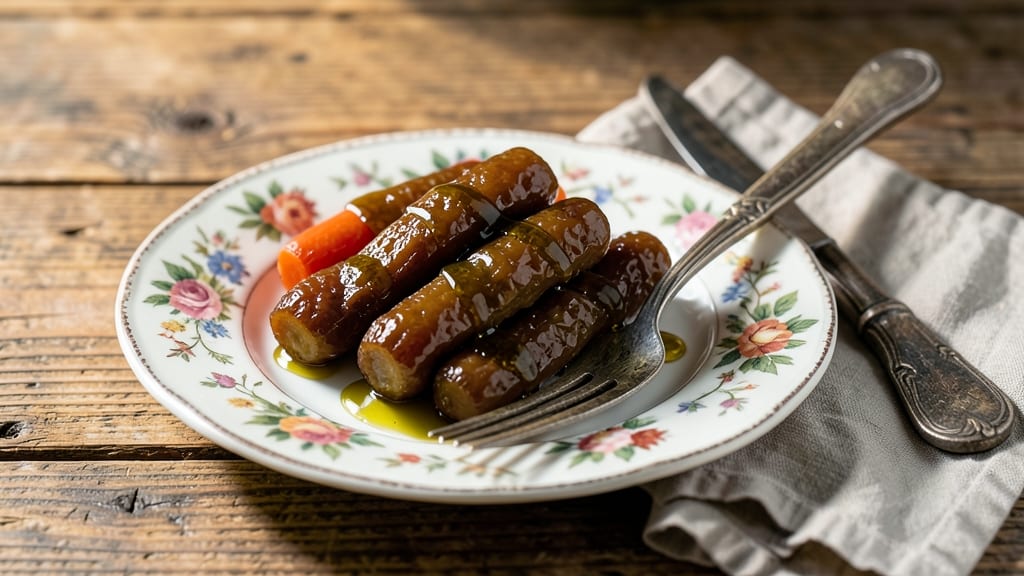
Making brown sugar pickles transforms simple cucumbers into a sweet, tangy side dish that pairs perfectly with BBQ, sandwiches, or even charcuterie boards. The key lies in balancing the sugar and vinegar for that signature sweet-and-spicy crunch that develops in just 10 minutes of active prep—plus a quick soak.
I’ve perfected this recipe to deliver crisp-tender pickles with a glossy sheen and bold flavor, every time.
This recipe uses a simple brining solution of vinegar, brown sugar, and spices that infuse the cucumbers with just the right amount of heat and sweetness. Unlike traditional dill pickles, the brown sugar adds depth while keeping the process straightforward—no fancy equipment or long waits required.
The result? Pickles that stay crisp for days, with a satisfying crunch and balanced sweetness.
What makes these pickles stand out is their versatility. Serve them alongside smoked meats, sandwiches, or even as a snack with cheese. The recipe includes optional additions like mustard seeds or dill for extra flavor, but the base version is foolproof and ready in under 30 minutes total.
Perfect for meal prep or last-minute sides, these pickles elevate any dish.
The secret to ideal texture is the soaking time—just enough to develop flavor without making the cucumbers mushy. Store them in the fridge for up to a week, and the flavors will only deepen. Whether you’re a seasoned cook or new to pickling, this method ensures restaurant-quality results at home.
Ingredients for brown sugar pickles
Simple ingredients transform into restaurant-quality brown sugar pickles with a perfect sweet-spicy crunch.
| Ingredient | Amount | Notes |
|---|---|---|
| Kirby Cucumbers 🥒 | 4 whole | Small, firm, unpeeled for texture |
| White Vinegar 💧 | 2 cups | Distilled or white, 5% acidity |
| Light Brown Sugar 🍯 | 1 cup | Packed firmly, no substitutions |
| Pickling Salt 🧂 | 1 tbsp | Non-iodized, fine grain preferred |
| Red Chili Flakes 🌶️ | 1 tsp | Adjust for desired heat level |
| Ground Black Peppercorns 🌶️ | ½ tsp | Freshly cracked for optimal flavor |
| Mustard Seeds 🌾 | 1 tsp | Yellow seeds preferred |
| Fresh Dill Weeds 🌿 | ¼ cup | Chopped, stems removed |
| Garlic Cloves 🧄 | 2 cloves | Smashed, skins left on |
| Cold Water 💧 | 1 cup | Tap or filtered preferred |
| Cornstarch 🌾 | 1 tbsp | For brining solution clarity |
| Lemon Juice 🍋 | 1 tbsp | Freshly squeezed |
The cucumbers are the foundation—opt for Kirby or Persian varieties from your local Whole Foods or Trader Joe’s for their compact size and crisp texture. Avoid seedless varieties, as they lack the structural integrity needed for ideal pickling. Light brown sugar is non-negotiable here; its molasses content adds depth that white sugar can’t replicate. For vinegar, Heinz White Vinegar or Bragg Apple Cider Vinegar both work well, though distilled vinegar remains the most neutral option. If you’re sourcing mustard seeds, Penzeys offers premium varieties, but the standard yellow seeds from any grocery store will suffice. Fresh dill is ideal, but if you’re using dried, reduce the quantity to one-third of the fresh amount.
No brown sugar? Dark corn syrup or molasses can substitute, though the flavor profile will shift slightly. Short on vinegar? Lemon juice or apple cider vinegar work in a pinch, though the acidity level may vary. For heat, cayenne pepper or hot sauce can replace chili flakes, but adjust to taste. The cornstarch is optional but creates a clearer brine—skip it if you prefer a more rustic look. If you’re prepping ahead, store the cucumbers in water in the fridge for up to 24 hours before pickling to maintain crispness. For a deeper flavor, consider adding a splash of vanilla extract or a cinnamon stick to the brine, though these are optional.
These pickles develop best when stored in an airtight glass jar in the refrigerator, where they’ll keep for up to 2 weeks. The flavors deepen over time, so they taste even better after 48 hours. For long-term storage, transfer to the freezer for up to 6 months—though texture may soften slightly. To maintain crispness, avoid overcrowding the jar during storage. Leftovers can be reheated in the microwave for 10-15 seconds if you prefer them warm, though they’re best enjoyed straight from the fridge. Portion into smaller containers for easy snacking or meal prep.
Why You’ll Love This Recipe
- Here’s what sold me: the brown sugar caramelizes just enough to coat the crunchy cucumbers, while the chili flakes add this perfect little kick. It’s like a tangy, spicy hug for your taste buds—no weird aftertaste, just pure, addictive flavor.
- I’ll be real: pickles from the store cost a fortune for half the quantity. This recipe uses pantry staples and stretches for months—plus, I can adjust the sugar or spice to match what I have. Frugal? Yes. Delicious? Absolutely. Win-win.
Step-by-step instructions for brown sugar pickles
A perfect balance of sweetness and spice transforms ordinary cucumbers into addictive crunchy pickles.
Prepare the Brine Solution
In a medium saucepan, combine the 2 cups white vinegar, 1 cup light brown sugar, 1 cup cold water, and 1 tbsp pickling salt. Stir over medium heat until the sugar and salt fully dissolve, about 5 minutes. The mixture should be clear with no visible sugar granules remaining.
Remove from heat and whisk in the 1 tbsp cornstarch until completely smooth. This creates a natural thickener that will help preserve the pickles’ texture and flavor. Let the brine cool to room temperature while you prepare the cucumbers.
Sterilize and Pack the Cucumbers
Wash the 4 whole Kirby cucumbers thoroughly and trim off the blossom ends. Pack them tightly into a clean, quart-sized mason jar, leaving about 1 inch of headspace at the top. This tight packing ensures maximum flavor infusion during the brining process.
In a separate small bowl, combine the 1 tsp red chili flakes, 0.5 tsp ground black peppercorns, 1 tsp mustard seeds, 0.25 cup fresh dill weeds, and 2 smashed garlic cloves. Pour this spice mixture directly into the jar with the cucumbers, pressing down gently to distribute evenly. The spices should surround each cucumber for balanced flavor in every bite.
Combine Brine and Cure the Pickles
Pour the cooled brine into the jar, ensuring all cucumbers are completely submerged. The liquid level should remain at least 1 inch above the top cucumber. Seal the jar tightly with the lid and refrigerate for at least 12 hours, though 24 hours yields maximum flavor development.
After the initial curing period, check the pickles for doneness. They should be tender but still hold their shape with a satisfying crunch. The liquid may appear slightly cloudy initially but will clear as the flavors meld. For best results, let them cure for up to 48 hours before serving, as this allows the sweet-spicy profile to fully develop.
Serve and Store for Maximum Freshness
Once cured to your preferred texture, remove the pickles from the jar and store them in an airtight container in the refrigerator. The brine can be saved and reused for additional batches, though its flavor will be less intense after the first use.
These pickles maintain their quality for up to 2 weeks when properly refrigerated. The combination of sweet brown sugar and subtle heat creates a perfect balance that complements sandwiches, charcuterie boards, or even as a standalone snack. The texture remains crisp yet tender, with each bite delivering a harmonious blend of flavors.
Pro Tips For Making Brown Sugar Pickles
- BOIL THE VINEGAR FIRST: Heat your vinegar to a full rolling boil before adding it to the cucumbers—this ensures the sugar dissolves completely and the brine penetrates faster. I used to just toss everything in cold, and the pickles always tasted unevenly sweet, like they’d missed out on half the flavor.
- SLICE CUCUMBERS THIN: Cut the Kirby cucumbers into ¼-inch slices, not thick rounds—thinner pieces absorb the brown sugar and vinegar better and get that perfect tender-crisp texture. Thick slices stay crunchy but bland, and no one wants that.
- DISREGARD THE FIRST BRINE: After the first 10 minutes of simmering, skim off any foam or scum that rises to the top—it’s the cloudy bits that can make your pickles taste bitter. Sounds gross, but it guarantees a cleaner, brighter flavor in the end.
- ADD CHILI FLAKES LAST: Stir in the red chili flakes only in the final 5 minutes of cooking, or right before storing—this keeps their heat sharp and prevents them from turning the brine muddy. If you add them early, they’ll just fade into the background, like a forgotten spice in the back of the cabinet.
Common mistakes when making your brown sugar pickles
Over-Soaking Risks
One of the biggest mistakes is leaving pickles in the brine too long, which turns them mushy instead of crisp. I’ve seen this happen when people forget about their jar for days—after 48 hours, the cucumbers start breaking down.
For ideal texture, stick to the 12-24 hour window, then transfer them to fresh brine or storage containers. If you’re prepping ahead, portion the pickles into smaller jars with fresh brine to maintain crunch.
Skipping Sterilization
Using dirty jars or unsterilized equipment can lead to mold or fermentation gone wrong. Always wash your mason jars and lids with hot, soapy water, then rinse thoroughly. For extra safety, run them through a 200°F oven for 10 minutes to kill any bacteria.
I also sterilize my knife and cutting board with 70% isopropyl alcohol before handling cucumbers. This step is non-negotiable for food safety.
Improper Brine Balance
The ratio of vinegar to sugar is critical—too much sugar makes the pickles cloying, while too little vinegar weakens the tang. I’ve ruined batches by eyeballing measurements, so always use the exact 2 cups vinegar to 1 cup brown sugar ratio.
If your brine looks cloudy after cooling, whisk in 1 tbsp cornstarch to clarify it. Pro tip: Taste the brine before adding cucumbers—it should be sweet, tangy, and slightly spicy, not flat.
Ignoring Cucumber Selection
Not all cucumbers are created equal for pickling. I’ve tried seedless varieties, and they turn to mush in the jar. Instead, use Kirby or Persian cucumbers—their small size and thick skins hold up perfectly.
Avoid large greenhouse cucumbers, as they’re too watery. If you’re using heirloom varieties, slice them into ½-inch rounds for even cooking. Always trim the blossom ends to prevent bitterness.
Rushing the Process
Patience is key with pickles—they need time to develop flavor. I’ve seen people serve them after just 6 hours, and while they’re edible, they lack depth. Let them cure for at least 24 hours before eating, and up to 48 hours for maximum sweetness and crunch.
The longer they sit, the more the spices infuse. For a shortcut, add 1 tbsp lemon juice to the brine to jumpstart flavor development.
Storing Improperly
Leaving pickles in their original brine without refrigeration is a fast track to spoilage. Always store them in an airtight container in the fridge, submerged in fresh brine or their original liquid.
For longer storage, transfer them to a glass jar with a tight-sealing lid and keep them for up to 2 weeks. If you’re freezing them, use freezer-safe bags and add a splash of vinegar to preserve texture—though they’ll be softer after thawing. 💡
Nutrition facts
Frequently asked questions
Can I use white sugar instead of brown sugar?
The molasses in brown sugar creates that signature depth of flavor, but you can substitute with white sugar if needed. Use the same 1 cup measurement and add ½ teaspoon of molasses or a pinch of cinnamon to mimic the brown sugar’s complexity. The texture will remain crisp, though the flavor profile will be slightly lighter.
How long do these pickles last in the fridge?
Properly stored in an airtight container, these pickles stay fresh for 2-3 weeks in the refrigerator. The flavors actually improve over time, so they taste even better after 48 hours of curing. For longer storage, freeze them in their brine for up to 6 months, though texture may soften slightly after thawing.
What if my pickles turn cloudy?
Cloudiness usually means the brine needs more time to settle or the cucumbers released excess starch. Let the jar sit undisturbed for 24 hours—the liquid should clear naturally. If it persists, strain the brine through a fine mesh sieve before serving. For future batches, whisk in 1 tbsp cornstarch when cooling the brine to prevent cloudiness.
Can I make these pickles without vinegar?
Vinegar is essential for both preservation and tanginess, but you can experiment with lemon juice or apple cider vinegar as alternatives. For every 1 cup of vinegar, use 1.5 cups of lemon juice to match the acidity. However, the flavor will differ—vinegar provides a more consistent tang that’s harder to replicate with citrus.
What’s the best way to use up extra brine?
Save leftover brine in a clean jar and refrigerate for up to 1 month—it’s perfect for quick pickling of veggies like radishes or carrots. For a flavor boost, add 1 tsp of your choice of spices (like mustard seeds or garlic) before reusing. Never reuse brine with meat or dairy products, as it’s acidic and unsafe for those ingredients.

- Minced Meat Spaghetti Recipe: One-Pan Italian Comfort with Rich Ragù - November 29, 2026
- Aki’s Guava Chiffon Cake Recipe: Light, Airy Layers with Tropical Flavor Burst - November 29, 2026
- Chicken Pelau Recipe: Caribbean-Style Rice with Tender Chicken and Pigeon Peas - November 29, 2026