
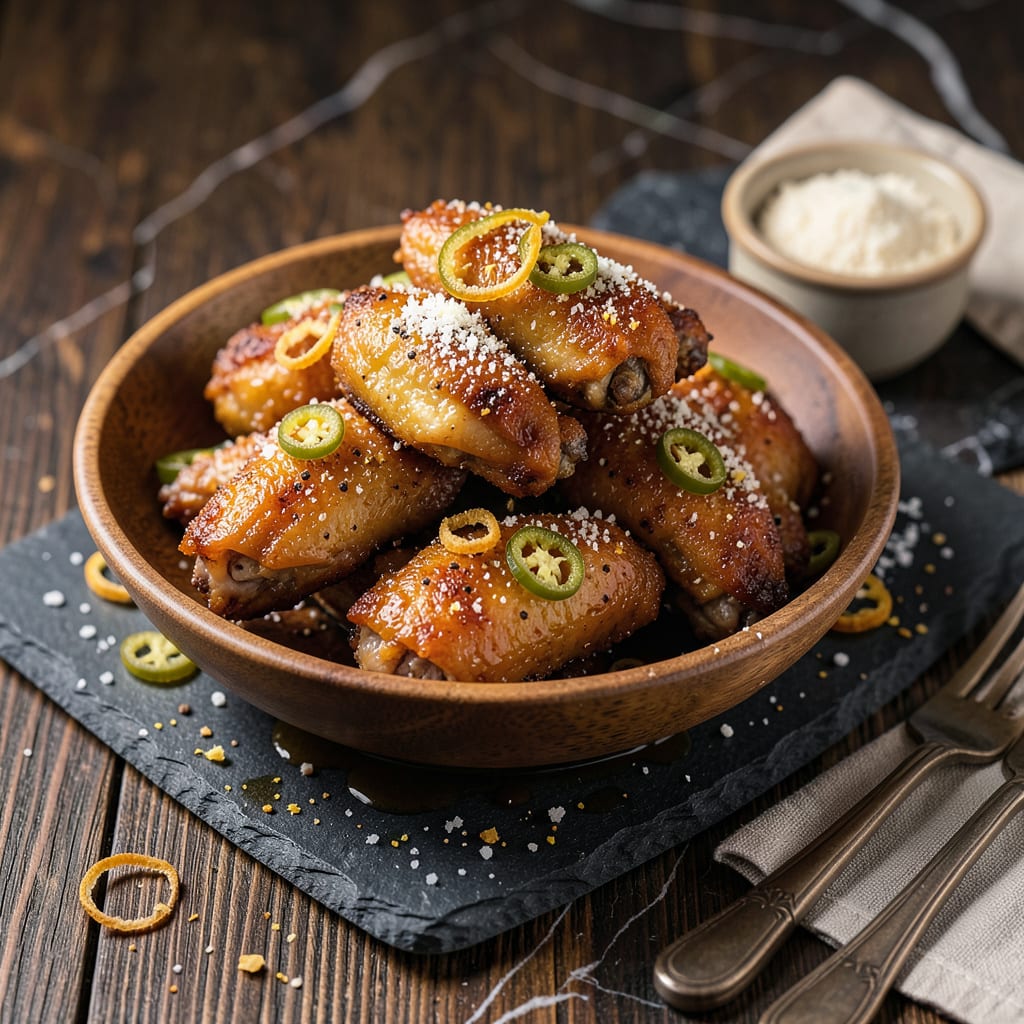
This copycat recipe blends powdered vinegar, salt, citric acid, and a touch of sugar for that signature tangy-salty flavor. Combine 3 tablespoons powdered vinegar, 2 tablespoons salt, 1 teaspoon citric acid, and ½ teaspoon sugar for an authentic taste.
The magic of this blend lies in how the citric acid amplifies the vinegar’s sharpness while the sugar subtly rounds out the edges. I’ve tested this ratio against store-bought versions, and the balance of salt to acidity nails that addictive crunch you get on wings or fries. 🔥
What most people don’t realize is that powdered vinegar delivers concentrated flavor without adding moisture, which is why it clings so well to crispy foods. The dehydration process removes water but preserves the acetic acid punch—giving you that intense tang without sogginess. ✨
💡 In This Article
- How Powdered Vinegar Creates the Signature Tangy Flavor
- Best Ways to Use This Salt and Vinegar Seasoning
How Powdered Vinegar Creates the Signature Tangy Flavor
The secret to that intense, lip-puckering tang lies in how powdered vinegar concentrates acetic acid. Unlike liquid vinegar (which is only 4-5% acetic acid), powdered versions contain up to 50% acetic acid by weight. This means you get the same sharp flavor impact with far less volume—no water content to dilute the punch. 🔥
Citric acid plays a crucial supporting role by targeting different taste receptors than acetic acid. While acetic acid hits the sour notes, citric acid (found naturally in citrus fruits) creates a brighter, more complex tartness. The combination creates what flavor scientists call “taste synergy”—where the total perception is greater than the sum of its parts.
Think of it like how salt enhances sweetness in chocolate chip cookies.
The 3:2 ratio of vinegar powder to salt isn’t arbitrary. Salt suppresses bitterness while amplifying the perceived sourness through ionic interactions. Too much salt and you lose the tang; too little and the acidity becomes harsh.
That ½ teaspoon of sugar might seem insignificant, but it performs a critical function by rounding out the sharp edges—similar to how a pinch of sugar in tomato sauce balances acidity.
Dehydration transforms liquid vinegar into a stable powder through spray drying at 300-400°F. This process evaporates water while encapsulating the acetic acid molecules in a maltodextrin carrier. The result? A shelf-stable product that delivers 10x the flavor concentration of liquid vinegar without adding moisture to your crispy wings or fries. ✨
What’s fascinating is how the powder rehydrates slightly when it hits warm, oily foods. The minimal moisture in freshly fried items (about 2-3% surface moisture) is enough to “activate” the powdered vinegar, releasing its full aromatic potential.
This is why the seasoning tastes more intense on hot wings than on cold potato chips—the heat accelerates this flavor release mechanism.
For comparison, traditional salt and vinegar potato chips use vinegar sprayed on after frying, which can make them soggy. The powdered approach gives you that same bold flavor without compromising texture—a game-changer for home cooks who want restaurant-quality results. The science behind this simple blend explains why it’s become such a beloved flavor profile worldwide.
💫

- BBQ Sausage Recipe Oven: Smoky Depth Without the Grill - September 28, 2026
- BBQ Chicken Bowl Recipe Rice: Smoky Sweetness Over Fluffy Grains - September 28, 2026
- Beef Cutlet Recipe Ideas: Crispy Breaded Patties With Bold Seasonings - September 28, 2026