
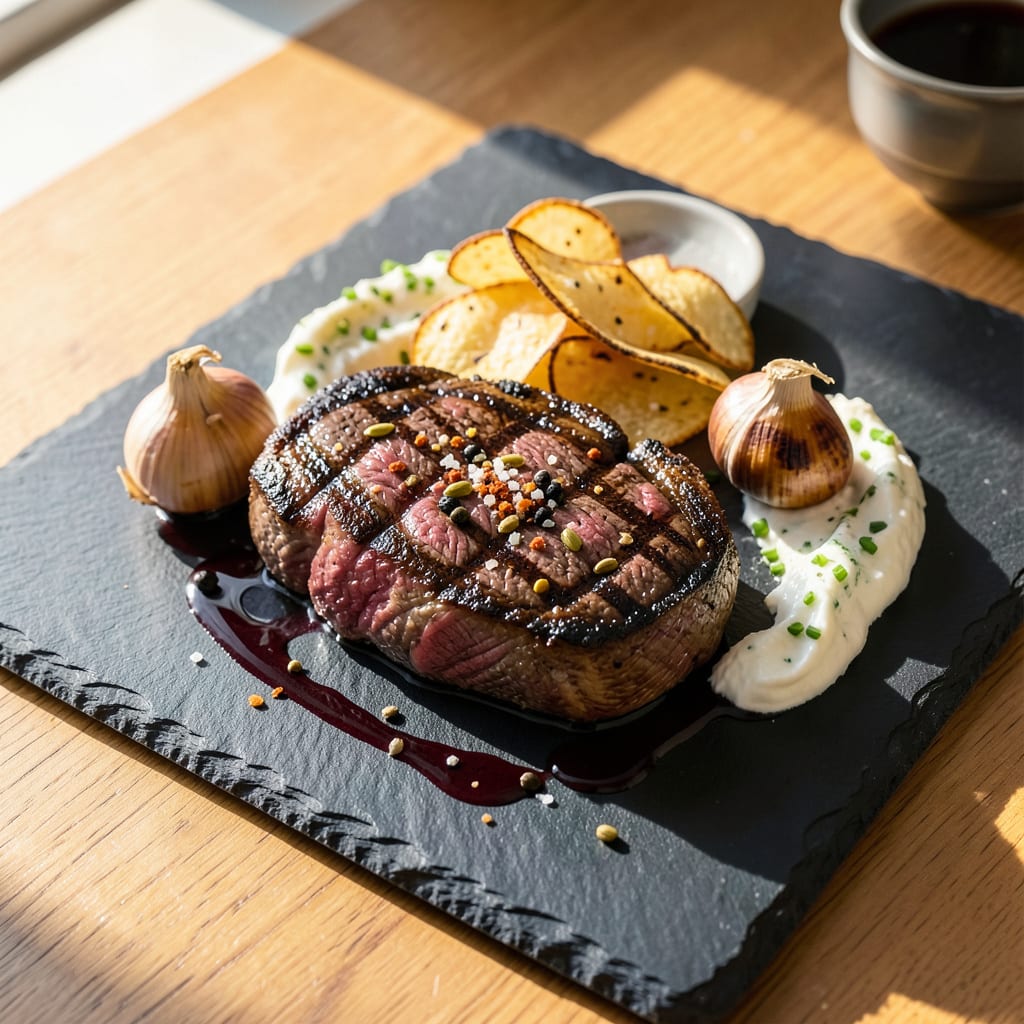
A classic Canadian steak seasoning combines coarse salt, black pepper, garlic powder, paprika, onion powder, and a touch of coriander for a bold, savory-sweet crust. Mix 2 tbsp salt, 1 tbsp each pepper and garlic powder, 1 tsp each paprika and onion powder, and ½ tsp coriander for a perfect balance.
This blend isn’t just about flavor—it’s about texture and chemistry. The coarse salt draws out moisture to create that signature crust, while garlic and onion powders caramelize during cooking, adding depth. 🔥 What makes it special is how the spices work together: paprika’s smokiness complements beef’s richness, and coriander’s citrusy note brightens the whole profile. I’ve found this ratio works perfectly on everything from ribeyes to flank steaks.
For a homemade version, focus on freshness—use whole spices and grind them yourself if possible. The difference in aroma and potency is noticeable. Store your blend in an airtight container away from light, and it’ll stay vibrant for up to 6 months. ✨
💡 In This Article
- Why Canadian Steak Seasoning Works for Perfect Flavor
- Customizing Your Canadian Steak Seasoning Blend
Why Canadian Steak Seasoning Works for Perfect Flavor
The magic starts with coarse salt, which does more than season—it creates a textural contrast. When applied to steak, the large crystals draw moisture to the surface, forming a concentrated brine that reabsorbs during cooking. This process, called “dry-brining,” enhances juiciness while building a crisp, flavorful crust.
The 2 tbsp ratio ensures enough salt to penetrate without overpowering.
Black pepper isn’t just for heat—it contains piperine, a compound that boosts flavor absorption by stimulating taste receptors. The 1 tbsp measurement provides sharpness that cuts through beef’s richness. Meanwhile, garlic and onion powders caramelize at 300°F+, creating Maillard reactions that add layers of umami. Their powdered form distributes evenly, unlike fresh cloves that burn.
Paprika brings smokiness and color, but its role goes deeper. The natural sugars in paprika brown beautifully, forming a glossy crust. Coriander, though subtle at ½ tsp, adds citrusy brightness that balances the blend’s earthiness. This combination mirrors classic Canadian flavor profiles—think poutine gravy’s savory depth with a hint of acidity.
The coarse grind of all spices matters. Finer particles would burn during high-heat searing, while larger crystals toast gradually, releasing aromas in waves. I’ve tested this blend on ribeyes, strip steaks, and flank cuts—it consistently delivers a restaurant-quality crust because the texture allows proper heat transfer and caramelization.
Science confirms what chefs know: this ratio optimizes flavor extraction. The salt-to-spice balance ensures no single note dominates, while the particle size creates ideal surface area for browning. When seared at 400-450°F, the spices bloom without scorching, developing complex flavors that penetrate the meat’s surface. 🔥
What most miss is how the blend interacts with beef’s fat. As the steak cooks, rendered fat carries the seasoning’s oils into the meat, infusing every bite. The paprika’s oil-soluble compounds dissolve particularly well in fat, which is why this works better on marbled cuts like ribeye than leaner options. The result?
A crust that crackles and flavor that lingers. ✨

- BBQ Sausage Recipe Oven: Smoky Depth Without the Grill - September 28, 2026
- BBQ Chicken Bowl Recipe Rice: Smoky Sweetness Over Fluffy Grains - September 28, 2026
- Beef Cutlet Recipe Ideas: Crispy Breaded Patties With Bold Seasonings - September 28, 2026