
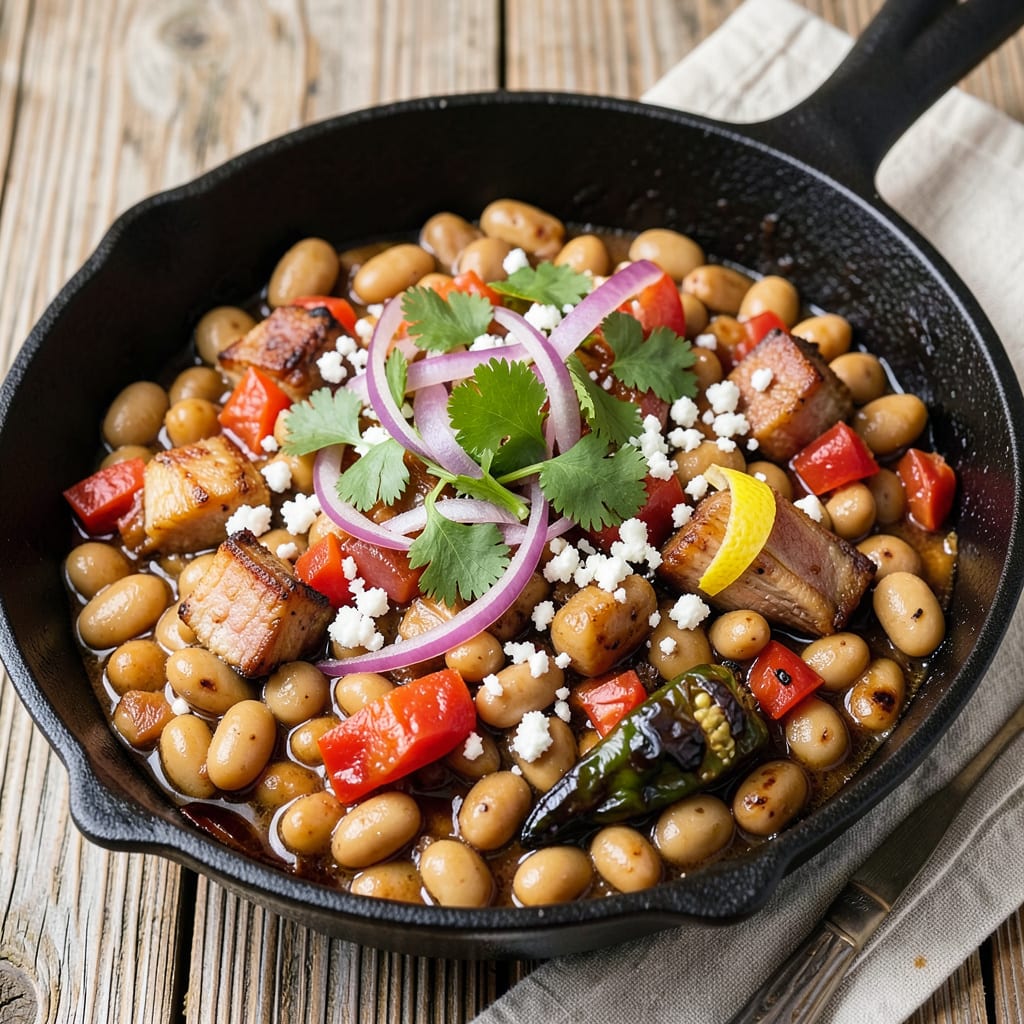
Absolutely! Pinto beans are incredibly versatile—use them for hearty chilis, creamy refried beans, protein-packed soups, flavorful burrito bowls, or even veggie burgers. Their mild, earthy taste absorbs spices beautifully in any dish.
I love how pinto beans transform from a simple pantry staple into complete meals. 🔥 Their high protein and fiber content makes them a satisfying base, while their neutral flavor profile lets them adapt to everything from smoky barbecue flavors to zesty Mexican spices. What’s great is their texture flexibility—keep them whole for salads or mash them for dips and patties. This adaptability explains why they’re a go-to in cuisines worldwide, from Southern American comfort food to Latin American classics.
💡 In This Article
- Why Pinto Beans Work in So Many Dishes
- Essential Tips for Cooking With Pinto Beans
Why Pinto Beans Work in So Many Dishes
The secret lies in their nutritional makeup and culinary flexibility. Pinto beans pack 15g of protein and 15g of fiber per cooked cup, making them a satisfying base for any meal. Their mild, earthy flavor comes from compounds like saponins and phytic acid, which create a neutral canvas that absorbs bold spices without overpowering them.
This chemical balance explains why they work equally well in smoky barbecue dishes and delicate herb-based recipes. ✨
Texture plays a huge role in their versatility. When cooked properly, pinto beans maintain their shape while softening enough to mash smoothly. The starch content (about 45g per cup) allows them to thicken soups naturally or bind veggie burgers without added fillers.
Compare this to black beans, which hold their shape better but lack the same creamy potential when mashed. Their medium-firm texture when whole makes them ideal for salads and stews where you want distinct bites.
What most people don’t realize is how their chemical structure changes during cooking. The beans’ cell walls break down at 212°F, releasing starches that create a velvety mouthfeel. This transformation happens whether you’re simmering them for 1.5-2 hours on the stovetop or pressure cooking for 25-30 minutes.
The released starches also help emulsify fats from added ingredients like bacon or olive oil, creating richer flavors in dishes like refried beans or cassoulet. 🔥
Their adaptability spans cuisines because of this chemical flexibility. In Mexican cooking, they absorb chili powders and cumin during long simmers. Southern U.S. dishes benefit from their ability to soak up smoky flavors from ham hocks or liquid smoke. Even in Mediterranean recipes, they pair beautifully with garlic, lemon, and olive oil.
The beans’ low moisture content (about 66% when cooked) means they won’t water down sauces or dressings, making them reliable in both hot and cold preparations.
Consider their practical advantages too. Canned pintos (already cooked at 250°F during processing) save hours of prep time while maintaining most nutritional benefits. Their shelf stability means you can transform them into a complete meal in under 30 minutes—perfect for quick chilis or last-minute taco fillings.
The canning process actually softens their skins slightly more than home-cooked beans, which can be advantageous for creamy applications like dips or spreads. ⚡
Here’s a telling comparison: while chickpeas offer similar protein, their nutty flavor and firmer texture limit their uses. Kidney beans bring bold color but can overpower delicate dishes. Pintos strike the perfect balance—substantial enough to be the star of a dish, yet adaptable enough to play a supporting role.
This explains why they’re the most consumed bean in the U.S., appearing in everything from breakfast burritos to midnight snacks. 🌟
Their low glycemic index (about 39) makes them particularly valuable in balanced meals. This slow-digesting quality means they provide steady energy, preventing the crashes associated with refined carbs. When combined with grains like rice, they create a complete protein profile that rivals animal sources.
This nutritional synergy is why bean-and-rice combinations appear in cultures worldwide, from Mexican arroz con frijoles to Louisiana red beans and rice.

- BBQ Sausage Recipe Oven: Smoky Depth Without the Grill - September 28, 2026
- BBQ Chicken Bowl Recipe Rice: Smoky Sweetness Over Fluffy Grains - September 28, 2026
- Beef Cutlet Recipe Ideas: Crispy Breaded Patties With Bold Seasonings - September 28, 2026