
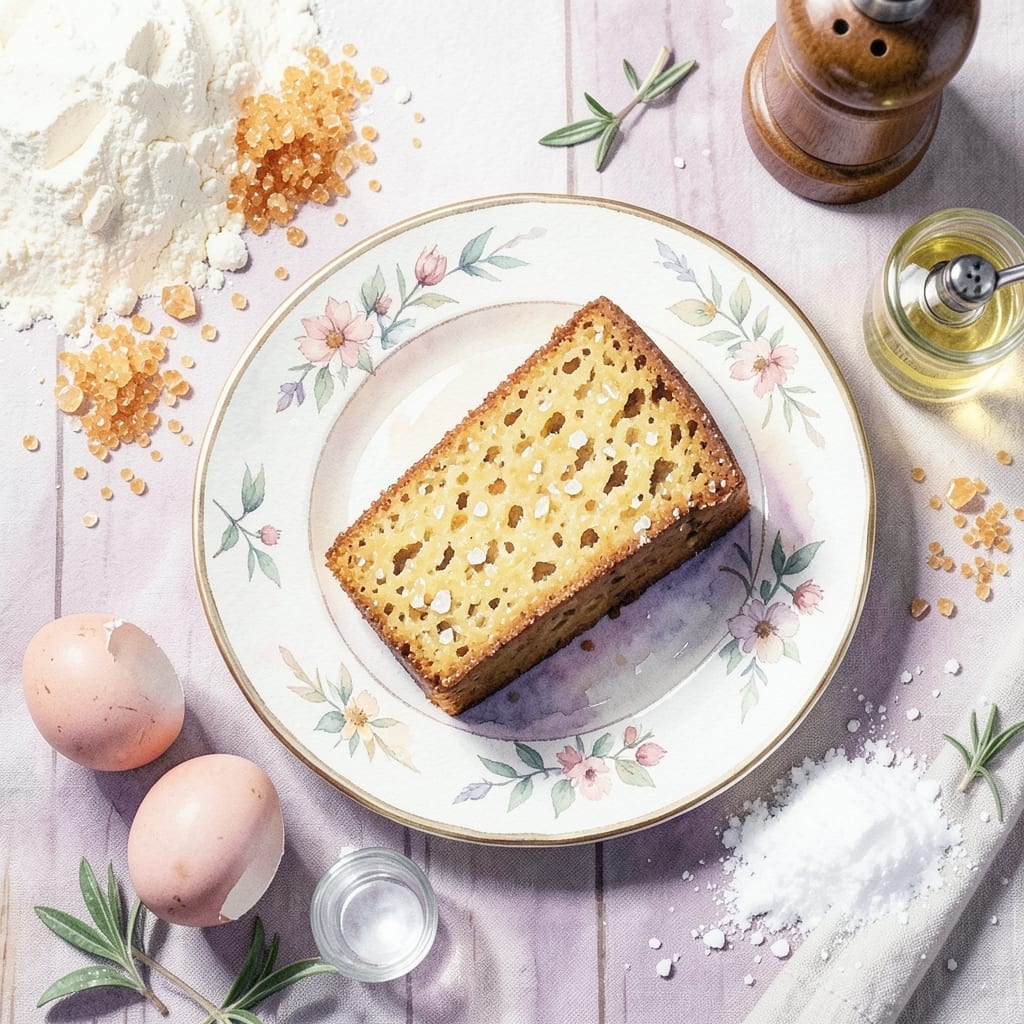
Achieving a moist cake without dairy is simpler than you might expect. This recipe replaces milk with a straightforward substitution that maintains richness and texture without compromising flavor.
The secret lies in using common pantry staples to create the same chemical reactions that milk would. Vinegar and baking soda work together to produce a tender crumb, while oil ensures the cake stays moist for days.
You’ll get a perfectly risen cake with a soft, velvety texture that no one will guess is dairy-free. The method is just as reliable as traditional recipes, with no special equipment required.
Ideal for celebrations or everyday treats, this approach proves that dietary restrictions don’t mean sacrificing quality. Follow these steps for consistent, delicious results every time.
Ingredients for Cake Recipe with No Milk
Pantry staples and a clever swap deliver a moist, dairy-free cake every time.
| Ingredient | Amount | Notes |
|---|---|---|
| All-Purpose Flour 🌾 | 2 ½ cups | Sifted for even texture |
| Granulated Sugar 🍚 | 1 ½ cups | Fine grain for smooth batter |
| Vegetable Oil 🫒 | ¾ cup | Neutral flavor preferred |
| Large Eggs 🥚 | 2 whole | Room temperature for best volume |
| White Vinegar 💧 | 1 tbsp | Creates reaction with baking soda |
| Baking Soda ⚗️ | 1 tsp | Ensures proper rise |
| Vanilla Extract 🌿 | 2 tsp | Pure extract for best flavor |
| Salt 🧂 | ½ tsp | Enhances all flavors |
| Cocoa Powder 🍫 | ½ cup | Unsweetened for chocolate version |
| Baking Powder ⚗️ | 1 tsp | Double-acting for reliable lift |
| Water 💧 | 1 cup | Replaces milk for dairy-free |
| Powdered Sugar 🍬 | ½ cup | Optional for dusting |
The vinegar and baking soda combo is non-negotiable here—apple cider vinegar works too if that’s what you’ve got. I grab my vanilla from Trader Joe’s (great quality, not crazy expensive). The oil needs to be neutral, so vegetable or canola are safe bets. For the cocoa powder, Hershey’s Special Dark gives a deeper chocolate flavor without changing the recipe ratios.
No vinegar? Lemon juice works at the same ratio. Out of oil? Melted coconut oil adds a slight flavor but keeps the moisture. Want a vanilla cake instead of chocolate? Skip the cocoa and add an extra teaspoon of vanilla. The water can be swapped for dairy-free milk if you’ve got some on hand—oat milk is my go-to.
Store the cake in an airtight container at room temp for up to 3 days. It actually gets better overnight as the flavors meld. Freeze slices for up to 3 months—perfect for impromptu dessert needs. No need to thaw, just microwave for 20 seconds (worth the extra minute).
Why You’ll Love This Recipe
- No Fuss Mixing: I just dump the flour, sugar, oil, eggs and vinegar in one bowl and stir—no electric mixer, no milk to measure.
- Rich, Moist Crumb: The oil and vinegar combo keeps it tender for days, and the sugar gives that classic sweetness I crave.
- Feeds Unexpected Guests: I’ve whipped this up for birthdays, potlucks, even last-minute school bake sales.
- Pantry Stable: Every ingredient sits in my cupboard for weeks, so I can bake a cake anytime without a grocery run.
Step-by-Step Instructions for Cake With No Milk
This method guarantees a tender, moist texture without any dairy products involved.
Step 1: Combine Dry Ingredients for Even Distribution
In a large bowl, whisk together the 2.5 cups All-Purpose Flour, 1.5 cups Granulated Sugar, 0.5 cup Cocoa Powder, 1 tsp Baking Soda, 0.5 tsp Salt, and 1 tsp Baking Powder. I always sift my dry ingredients first to prevent lumps and ensure even distribution throughout the batter.
This step is crucial for proper rise and texture. The combination of baking soda and baking powder creates a double-acting leavening system that ensures your cake rises beautifully. Make sure all ingredients are well incorporated before moving to the next step.
Step 2: Mix Wet Ingredients for Maximum Moisture
In a separate bowl, combine the 0.75 cup Vegetable Oil, 2 whole Large Eggs, 1 tbsp White Vinegar, 2 tsp Vanilla Extract, and 1 cup Water. Whisk vigorously for 1-2 minutes until the mixture is completely emulsified and slightly frothy.
The vinegar reacts with the baking soda to create a light, airy texture, while the oil ensures moisture retention. Using room temperature eggs helps them incorporate more air into the mixture, contributing to a lighter crumb. Don’t skip the whisking—this step is key for a smooth batter.
Step 3: Create the Batter Without Overmixing
Pour the wet ingredients into the dry ingredients all at once. Using a spatula, gently fold the mixture together until just combined. You should still see a few streaks of flour—this is perfect. Overmixing develops the gluten in the flour, which would result in a dense, tough cake.
The batter will be thinner than traditional cake batter due to the water content, but this is normal for this dairy-free version. I like to give the bowl a gentle tap on the counter to release any large air bubbles before pouring it into the prepared pan.
Step 4: Bake to Perfect Doneness
Pour the batter into a greased and floured 9×13-inch baking pan. Bake in a preheated 350°F oven for 30-35 minutes, or until a toothpick inserted in the center comes out with just a few moist crumbs clinging to it.
Don’t open the oven door during the first 25 minutes of baking—this can cause the cake to fall. The top should spring back lightly when pressed, and the edges will start to pull away from the sides of the pan. If the top browns too quickly, tent loosely with foil.
Step 5: Cool and Finish for Optimal Texture
Allow the cake to cool in the pan for 10 minutes before transferring it to a wire rack to cool completely. This cooling period lets the structure set, preventing the cake from crumbling when you remove it from the pan.
Once completely cool, dust with 0.5 cup Powdered Sugar if desired. For an extra touch of moisture, I sometimes brush the warm cake with a simple syrup made from equal parts sugar and water. Store leftovers in an airtight container at room temperature for up to 3 days.
Pro Tips For Making Cake Recipe With No Milk
- Mix Vinegar First: Combine the white vinegar with the vegetable oil first—this helps create a better emulsion and prevents the cake from tasting flat or dense.
- Room Temp Eggs: I learned this the hard way—cold eggs can cause the oil to clump, so let them sit out for 15-20 minutes before mixing.
- Skip Overmixing: After adding the flour, stir just until it disappears; overmixing makes the cake tough, and nobody wants that.
- Test with a Toothpick: Start checking for doneness 5 minutes before the recipe suggests—these cakes can go from perfect to dry faster than you think.
Storing and Reheating Leftovers
Room Temperature Storage
Let your cake cool completely before storing to prevent condensation. Place it in an airtight container or wrap tightly with plastic wrap. It stays moist at room temperature for up to 3 days—the flavors deepen overnight. ❄️
Refrigerator Storage
For longer freshness, refrigerate your cake in an airtight container for up to 5 days. Bring it to room temperature for 30 minutes before serving to restore its soft texture. This is my go-to method for busy weeks.
Freezing for Later
Slice the cake and wrap individual pieces in plastic wrap, then aluminum foil. Freeze for up to 3 months without losing moisture or flavor. Label with the date so you can track freshness easily.
Microwave Reheating
Place a single slice on a microwave-safe plate and heat for 15-20 seconds. Check and repeat in 5-second intervals until warm. A splash of water on the plate prevents drying out.
Oven Reheating
Preheat your oven to 300°F and wrap the cake in foil. Warm for 10-15 minutes—this method works best for reviving multiple slices at once. The foil keeps it from drying out. 🔥
Serving Warm
For an extra treat, serve warm slices with a scoop of dairy-free ice cream. The contrast of temperatures and textures elevates the experience. I love this with vanilla or chocolate flavors.
Nutrition Facts
Frequently Asked Questions
What can I use instead of water in this recipe?
You can swap the water for any dairy-free milk like almond, oat, or coconut. Each adds a subtle flavor.
Why does this recipe include vinegar?
The vinegar reacts with baking soda to create lift and a tender crumb. It neutralizes in baking, leaving no taste.
Can I make this cake egg-free too?
Yes! Replace each egg with 1 tbsp ground flaxseed mixed with 3 tbsp water. Let it sit for 5 minutes before using.
How do I prevent a dense texture?
Avoid overmixing the batter. Fold just until combined, and ensure your baking powder and soda are fresh.

- BBQ Sausage Recipe Oven: Smoky Depth Without the Grill - September 28, 2026
- BBQ Chicken Bowl Recipe Rice: Smoky Sweetness Over Fluffy Grains - September 28, 2026
- Beef Cutlet Recipe Ideas: Crispy Breaded Patties With Bold Seasonings - September 28, 2026