
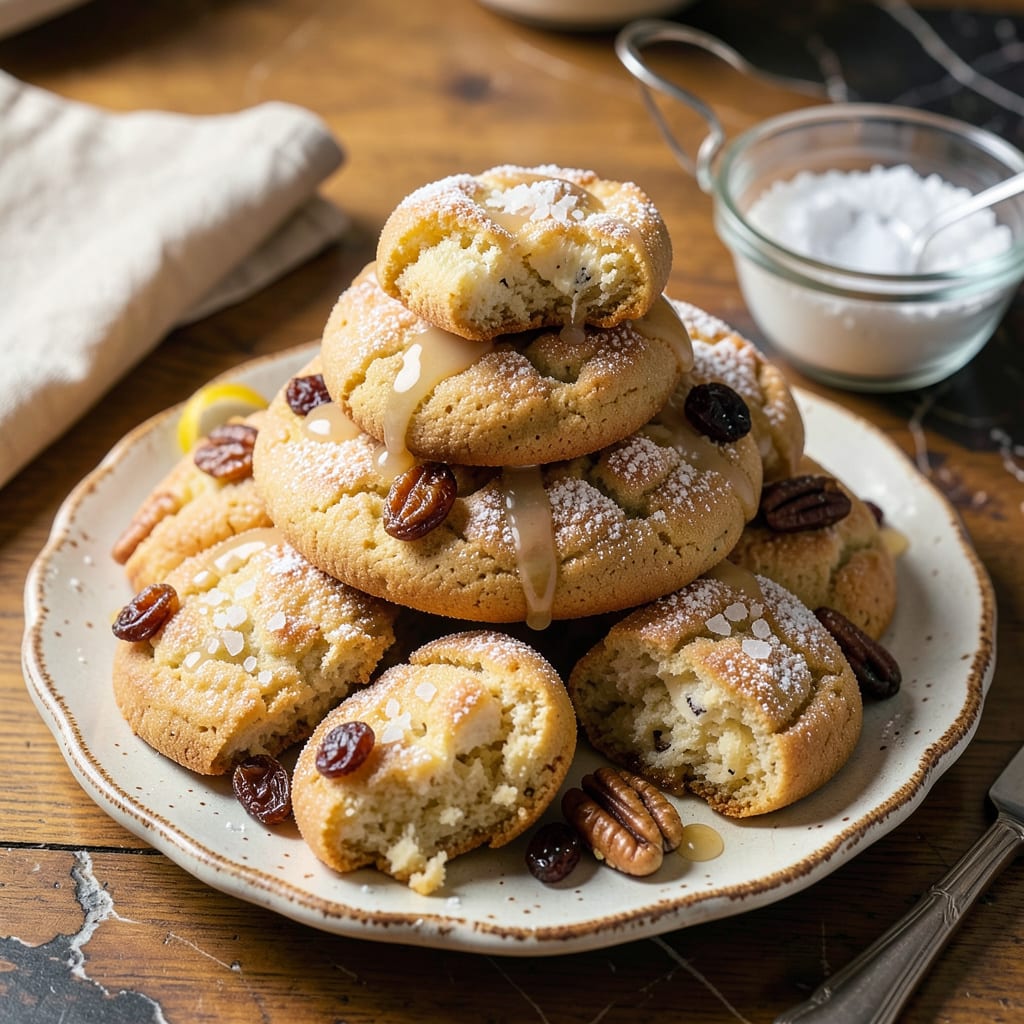
Cream of tartar can be added to most cookie recipes to stabilize egg whites, prevent sugar crystallization, and create a softer texture. However, it’s unnecessary in recipes already using baking powder or those designed to be crispy.
I’ve found this acidity powerhouse works wonders in recipes relying on whipped egg whites or a chewy texture—think classic snickerdoodles or delicate sugar cookies. 🔥 The magic happens when it reacts with baking soda, creating extra lift while keeping sugars from forming grainy crystals. But here’s the catch: if your recipe already includes baking powder (which contains its own acid) or aims for a crispy finish, adding it could throw off the balance. I always check the leavening agents first to avoid over-acidifying the dough.
💡 In This Article
- How Cream of Tartar Affects Cookie Texture and Rise
- Best Cookie Recipes for Cream of Tartar (And When to Avoid It)
How Cream of Tartar Affects Cookie Texture and Rise
Cream of tartar is actually tartaric acid—a byproduct of winemaking that acts as a powerful acidifier in baking. When combined with baking soda, it creates an immediate chemical reaction that produces carbon dioxide bubbles, giving cookies extra lift during the first 5-7 minutes of baking.
This is why snickerdoodles (which traditionally use both) develop their signature puffy, crackly tops. The acidity also lowers the pH of egg whites, allowing them to whip to greater volumes and hold their structure better. ✨
The real game-changer is how it interacts with sugar. Cream of tartar inhibits sucrose crystallization by binding to sugar molecules, preventing that dreaded grainy texture in delicate cookies. In sugar cookies, for example, just ½ teaspoon per cup of sugar can transform the texture from sandy to silky-smooth.
It also helps proteins in flour relax slightly, creating a more tender crumb—similar to how buttermilk works in cakes but with more precision. 🔥
Here’s where it gets technical: cream of tartar has a pH of about 3.5, while baking powder contains acids with pH around 4.5-5.5. This means cream of tartar creates a more aggressive reaction with baking soda, producing 20-30% more gas in the same timeframe.
That’s why you’ll notice cookies with cream of tartar spread less and rise more vertically. The difference is especially noticeable in recipes with high sugar content where spread is typically excessive.
Temperature matters too. Cream of tartar’s effects are most pronounced at temperatures between 325-375°F, where its acidity peaks before breaking down. In high-heat baking (above 400°F), some of its benefits diminish as the acid decomposes. This is why it works beautifully in sugar cookies baked at 350°F but might underperform in quick-baked items like tuiles.
The acid also helps brown butter-based cookies develop deeper caramel notes without burning. 🌟
For recipes without baking soda, cream of tartar still contributes by stabilizing egg proteins and preventing sugar crystallization—though you won’t get the leavening boost. In meringue-based cookies, it allows the structure to hold up better during baking, reducing the risk of collapse.
The general rule I follow is ¼ teaspoon per egg white or ½ teaspoon per cup of sugar for optimal results without over-acidifying.
What most home bakers don’t realize is that cream of tartar also extends shelf life by slightly lowering the dough’s water activity. This means cookies stay softer for 2-3 days longer compared to those without it. The acid creates a microenvironment that slows starch retrogradation—the process that makes baked goods go stale.
It’s the same principle used in commercial baked goods, just in a natural form. ⚡

- BBQ Sausage Recipe Oven: Smoky Depth Without the Grill - September 28, 2026
- BBQ Chicken Bowl Recipe Rice: Smoky Sweetness Over Fluffy Grains - September 28, 2026
- Beef Cutlet Recipe Ideas: Crispy Breaded Patties With Bold Seasonings - September 28, 2026