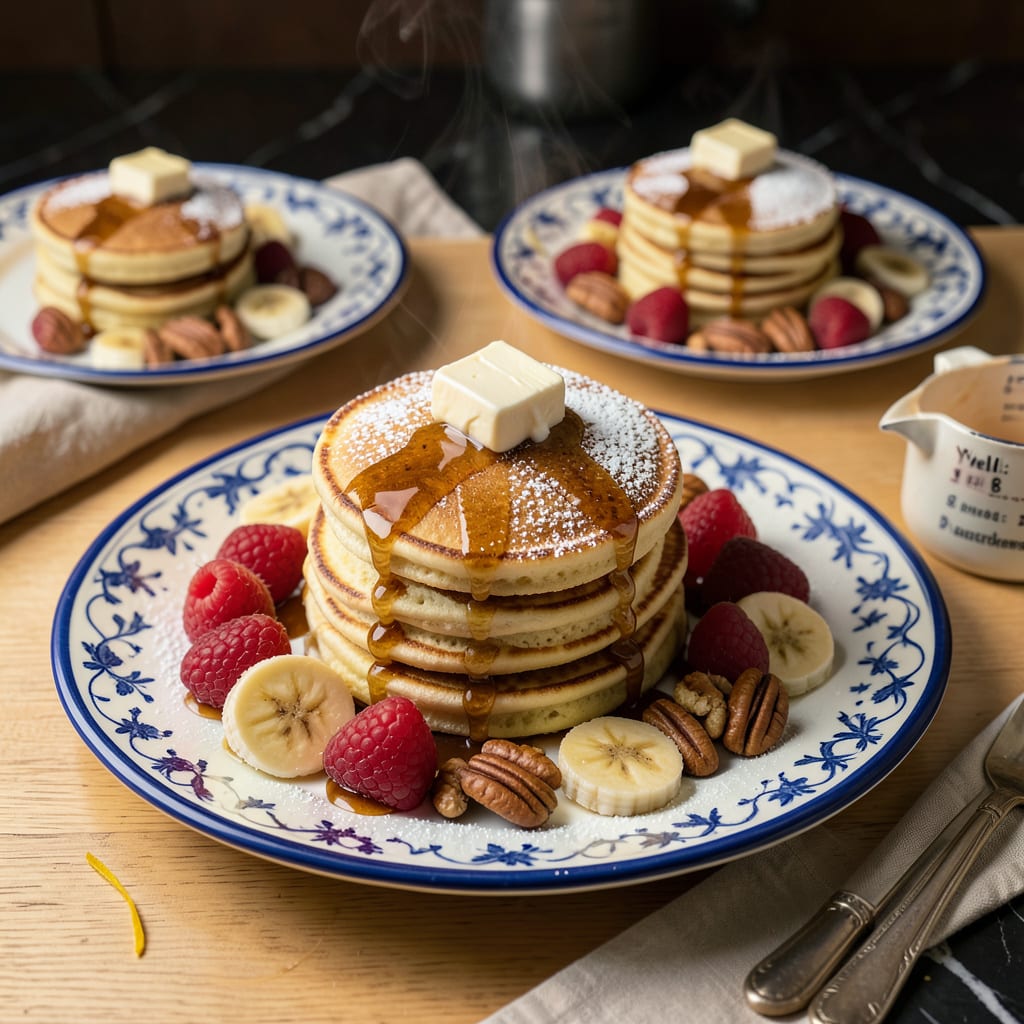
In recipes, yield refers to the total amount of food the dish produces, typically measured in servings, cups, or pieces. It tells you how much you’ll get after following all preparation steps.
Understanding this concept helps you plan meals more efficiently and avoid surprises when cooking. Think of it as the “finished product” measurement—whether you’re making 2 dozen cookies or 4 cups of soup. I always check the yield first when deciding whether to scale a recipe up or down, especially for gatherings. It’s also crucial for grocery shopping, ensuring you buy the right amount of ingredients without over- or under-preparing. ✨
💡 In This Article
How Recipe Yield Is Calculated and Why It Matters
Adjusting Recipe Yield for Different Serving Sizes
How Recipe Yield Is Calculated and Why It Matters
Recipe yield isn’t just about counting ingredients—it accounts for how cooking transforms them. When you bake a 4-pound chicken, the yield isn’t 4 pounds of edible meat because bones, skin, and moisture loss during roasting reduce the actual servable portion.
A whole chicken typically yields about 2-3 pounds of meat after cooking, which is why recipes specify yields in servings rather than raw weight. This calculation matters because it prevents you from preparing too little food for your guests.
Moisture loss dramatically affects yield, especially with proteins and vegetables. A 1-pound steak loses about 25% of its weight during cooking as water evaporates and fat renders. Vegetables like spinach shrink by 75-90% when sautéed, turning 10 cups of raw leaves into just 1 cup cooked.
Baked goods expand due to leavening agents, so 1 cup of batter might yield 2 cups of cake after rising. These transformations explain why recipes specify yields after cooking, not before. 🔥
For meal planning, yield helps you avoid two common mistakes: running out of food or creating excessive leftovers. If a soup recipe yields 8 cups and serves 4 people at 2 cups each, you’ll know exactly whether to double it for a party.
I always cross-check yields against my guest count, adjusting portion sizes for appetites—teenagers might need 1.5 servings, while light eaters may take 0.75 servings. This precision saves both money and food waste.
The science behind yield calculations involves understanding how heat and chemical reactions alter food structure. When you caramelize onions, their cell walls break down, reducing 4 cups of sliced onions to about 1 cup of caramelized result.
Baking soda in cookies causes them to spread and rise, turning 12 dough balls into 24 thin cookies if the leavening is balanced correctly. Even pasta absorbs water, with 8 ounces of dry penne yielding about 4 cups cooked. ✨
Professional kitchens rely on yield percentages to control costs and consistency. A 50% yield on shrimp means you need to buy 2 pounds to get 1 pound of peeled, deveined meat.
Home cooks can apply this same logic: if a pie crust recipe yields one 9-inch crust, but you need a top and bottom, you’ll know to double the ingredients. Understanding these calculations lets you adapt recipes confidently, whether you’re meal prepping for the week or cooking for a crowd.
Here’s a practical tip: when testing new recipes, I always make a small batch first to verify the yield matches the recipe’s claim. If a muffin recipe promises 12 muffins but only yields 10, I know to adjust the batter quantity next time.
This hands-on approach builds intuition for how different ingredients behave, making you a more precise and waste-conscious cook. 💫
Adjusting Recipe Yield for Different Serving Sizes
Scaling recipes starts with simple math, but the real trick is knowing when to adjust beyond just doubling or halving. For most dishes, you can safely multiply all ingredients by the same factor—if you need 8 servings instead of 4, just double everything.
However, baked goods require extra attention: too much baking powder in a doubled batch can make cakes bitter, while too little leaves them dense. I always reduce leavening agents by 15-20% when scaling up to maintain perfect texture. ✨
Kitchen scales are your best friend for precise yield adjustments. Volume measurements (cups, tablespoons) can vary based on how ingredients are packed, but weight is always accurate. When halving a recipe, weigh ingredients instead of eyeballing ½ cup measurements—this prevents dry cakes or runny sauces.
For liquids, use a measuring cup with clear markings, checking at eye level. Remember that cooking times often need adjustment too: a doubled casserole may require 25% more baking time, while halved portions cook faster. 🔥
Here’s my foolproof method for adjusting yields: First, calculate your scaling factor (desired servings ÷ original servings). Then, multiply each ingredient by this number—except for salt, spices, and leavening agents, which should increase by slightly less to avoid overpowering flavors. For example, if tripling a cookie recipe, use 2.7 times the salt instead of 3.
Always make a test batch when scaling dramatically (like going from 12 to 48 cookies) to check texture and doneness. 💫
Watch out for these common scaling mistakes: Overfilling pans when doubling batters (fill only ⅔ full to prevent overflow), not adjusting oven racks for multiple trays (rotate pans halfway through baking), and forgetting that cooking times aren’t linear—a 9×13-inch pan of lasagna takes longer to bake than two 8×8-inch pans with the same total volume.
For soups and stews, increase liquids slightly less than other ingredients to maintain proper consistency. ✨
When converting between different yield measurements (like turning a 9-inch pie into mini tarts), focus on total volume rather than servings. A standard pie crust yields about 12 ounces of dough—enough for one 9-inch crust or 12 mini tart shells. Use this volume-based approach for consistent results.
For dishes with multiple components (like a layered dip), scale each layer individually to maintain the right ratios. My pro tip: Keep a notebook of your adjusted recipes with notes on what worked—it’ll save time next time! ⚡
For emergency situations where you need to stretch a dish unexpectedly, focus on extenders rather than scaling. Add extra vegetables to soups, breadcrumbs to meatballs, or cooked grains to casseroles. These can increase yield by 20-30% without compromising flavor. Just be mindful of cooking times—added ingredients may require extra minutes to cook through completely.
Always taste and adjust seasoning after extending a dish, as the flavor balance may change. 💛
I'm Allison Carter, and I've been perfecting my grandmother Dorothy's buttermilk fried chicken recipe for over 18 years now. Growing up in Asheville, North Carolina, my earliest memory is standing on a wooden stool in Dorothy's tiny mint-green kitchen, watching her hands work magic with nothing but flour, salt, and patience. The smell of hot Crisco still makes me seven years old again, sneaking pieces of crispy skin when she turned her back. My turning point came during the State Fair of 2014 when my peach cobbler took third place - I cried harder than when I lost my first tooth. These days, I live in Portland, Oregon with my wife Sarah, our surly teenager Maya (age 14), and two rescue cats who think they belong on every counter. When I'm not testing my 47th variation of chocolate chip cookies, you'll find me at Powell's Books hunting for community cookbooks or teaching Saturday morning classes at the community center. My guilty secret? I still talk to my sourdough starter every morning - his name is Gary, and he's been with me through three moves and two breakups since 2016.