
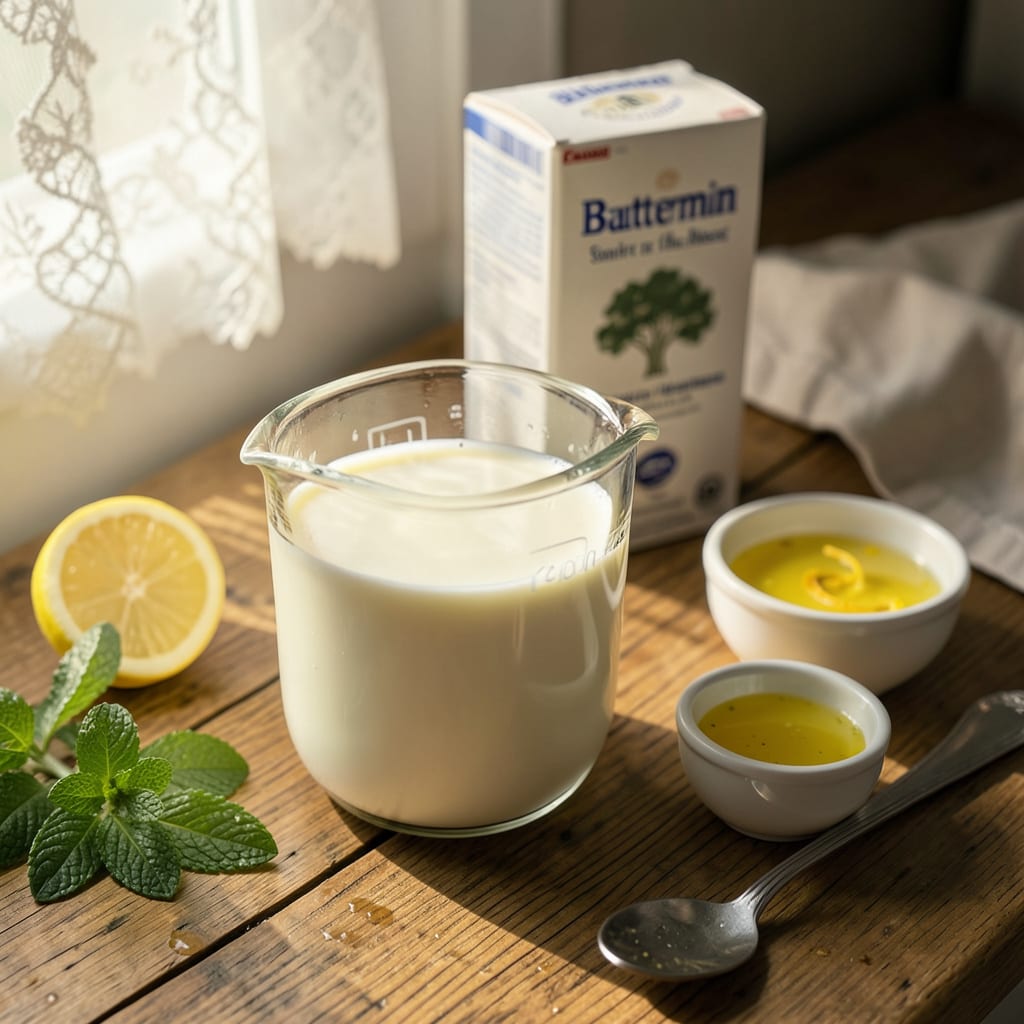
Mix 1 tablespoon of lemon juice or white vinegar with 1 cup of regular milk, then let it sit for 5-10 minutes until slightly thickened and curdled. This creates an instant sour milk substitute for baking or cooking.
This simple kitchen hack works because the acid from vinegar or citrus triggers a chemical reaction with the milk proteins. 🔥 I love using this method when I’m halfway through a recipe and realize I’m out of buttermilk—it delivers that signature tang without requiring a special grocery trip. The slight curdling mimics the texture of naturally soured milk, while the acidity level is just right for activating baking soda in recipes like pancakes or quick breads.
What’s particularly useful is how versatile this substitute is across different dishes. The flavor profile stays neutral enough to work in both sweet and savory applications, from fluffy biscuits to tender fried chicken coatings. Just remember that whole milk gives the richest results, though any fat percentage will work in a pinch.
💡 In This Article
- The Science Behind Sour Milk Substitution
- Best Sour Milk Alternatives for Different Recipes
The Science Behind Sour Milk Substitution
When you add acid like vinegar or lemon juice to milk, you’re triggering a fascinating protein transformation. The milk’s primary protein, casein, begins to unfold and clump together when exposed to pH levels below 4.6. This is the exact point where milk naturally sours—your homemade version just speeds up the process.
The curdling you see isn’t spoilage, but rather casein molecules aggregating into visible clusters while the liquid whey separates.
The magic happens at the molecular level. Vinegar (acetic acid) and lemon juice (citric acid) both lower the milk’s pH from its natural 6.7 down to that critical 4.6 threshold.
🔥 A 1 tablespoon of acid per 1 cup of milk creates the perfect balance—enough to curdle the proteins but not so much that it overpowers the flavor. The resulting mixture develops that characteristic tangy taste because lactic acid bacteria would normally produce similar acids during natural fermentation.
This acidified milk behaves remarkably like buttermilk in baking because of how it interacts with leavening agents. When combined with baking soda, the acid triggers an immediate chemical reaction producing carbon dioxide bubbles. These bubbles get trapped in the batter, creating that light, airy texture we love in pancakes and quick breads.
The curdled proteins also help tenderize gluten strands, resulting in baked goods with a more delicate crumb structure.
What’s particularly clever about this substitution is how it mimics buttermilk’s functional properties without requiring fermentation time. The acidity level achieves the same pH as cultured buttermilk (around 4.5), while the protein coagulation provides similar body and richness.
The slight difference in flavor comes from the type of acid used—vinegar offers a sharper tang, while lemon juice provides a brighter, fruitier note that works beautifully in both sweet and savory recipes.
The reaction time of 5-10 minutes isn’t arbitrary—it gives the acid enough time to fully denature the proteins while preventing over-curdling. You’ll notice the mixture thickens slightly as the casein networks form, creating that familiar buttermilk-like viscosity.
This is why stirring isn’t recommended after the initial mix; you want those protein structures to develop undisturbed for optimal texture in your final dish.
Temperature plays a subtle but important role too. Room temperature milk (70°F) reacts more quickly than cold milk straight from the fridge. The warmer environment accelerates the protein unfolding process, which is why some recipes specify using milk at room temperature for more consistent results.
✨ This is particularly noticeable when making tender baked goods where precise texture matters most.
Interestingly, this same principle is what makes cheese possible—just with different acids and longer processing times. Your quick sour milk substitute is essentially a fast-forward version of the first stage of cheesemaking!
The key difference is that we’re stopping the process at the curdled milk stage rather than pressing out the whey to form solid curds. This understanding helps explain why the substitution works so well in recipes calling for buttermilk or sour milk.

- BBQ Sausage Recipe Oven: Smoky Depth Without the Grill - September 28, 2026
- BBQ Chicken Bowl Recipe Rice: Smoky Sweetness Over Fluffy Grains - September 28, 2026
- Beef Cutlet Recipe Ideas: Crispy Breaded Patties With Bold Seasonings - September 28, 2026