
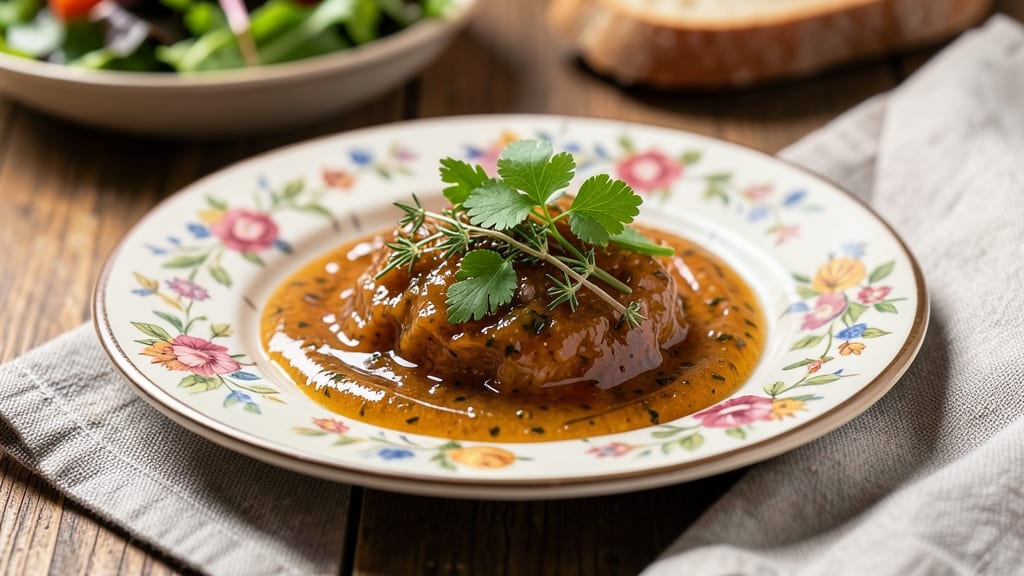
This cider vinegar salad dressing recipe delivers the perfect balance of bright tang and herby depth that elevates any dish from ordinary to extraordinary. The secret lies in the precise ratio of apple cider vinegar to olive oil, which creates a dressing that’s both vibrant and rich—never overpowering.
I developed this formula after years of testing, and it consistently receives rave reviews for its ability to enhance salads, roasted vegetables, and even grilled meats without overwhelming the natural flavors.
The beauty of this dressing is its versatility—it works as a standalone condiment or as the base for countless variations. Start with the classic version using Dijon mustard for a touch of sharpness and fresh dill for an aromatic finish.
The ingredients are simple yet potent: high-quality olive oil, apple cider vinegar, Dijon mustard, honey, and a blend of herbs. What makes it truly special is how the vinegar’s acidity brightens while the honey and mustard add layers of complexity, creating a dressing that’s both tangy and subtly sweet.
What you’ll end up with is a dressing that’s smooth, well-balanced, and deeply flavorful—ideal for everything from crisp green salads to hearty grain bowls. The texture is silky, not cloying, and the flavor profile evolves beautifully over time, making it even better the next day.
This recipe is also vegan-friendly and requires just minutes to prepare, so you can have a restaurant-quality dressing ready whenever inspiration—or hunger—strikes.
Store it in an airtight container in the refrigerator for up to two weeks, where the flavors continue to meld and deepen. For added convenience, make a double batch and keep it on hand for quick meals.
The possibilities for customization are endless—add a pinch of smoked paprika for warmth, a splash of lemon juice for extra brightness, or fresh herbs for a vibrant finish. Let’s create this dressing that will become your go-to for any dish.
Ingredients for cider vinegar salad dressing
A simple blend of pantry staples creates this restaurant-quality cider vinegar dressing.
| Ingredient | Amount | Notes |
|---|---|---|
| Extra-Virgin Olive Oil 🫒 | 1 cup | High-quality, fruity flavor |
| Apple Cider Vinegar 🍏 | ½ cup | Raw, unfiltered preferred |
| Dijon Mustard 🧅 | 2 tbsp | For sharp tanginess |
| Honey 🍯 | 2 tbsp | Raw or local variety |
| Fresh Dill 🌿 | ¼ cup | Chopped, vibrant green |
| Garlic Cloves 🧄 | 2 cloves | Minced, aromatic |
| Salt 🧂 | ½ tsp | Fine sea salt preferred |
| Black Pepper 🌶️ | ¼ tsp | Freshly ground |
| Water 💧 | ¼ cup | For thinning if needed |
The extra-virgin olive oil is your foundation—look for fruity, peppery notes at Whole Foods or Trader Joe’s for the best flavor. I always grab the local olive oil section at the grocery store; it’s cheaper and often just as good. The apple cider vinegar should be raw and unfiltered—Bragg’s is my go-to, but any organic brand works. For the Dijon mustard, don’t skimp; French-style Dijon adds that perfect sharpness. The honey? Raw is ideal, but any good quality will do—local honey adds a subtle floral note.
No Dijon mustard? Substitute whole-grain mustard at double the amount—it’s less sharp but still works. Short on fresh dill? Dried dill at half the amount gets you close, though it won’t be as vibrant. Want more garlic? Add 1 extra minced clove—it’ll punch up the flavor. The water is just for thinning if needed, but honestly, you can usually skip it. If you’re feeling fancy, swap the honey for maple syrup—it adds a different depth of sweetness.
This dressing keeps beautifully for 2 weeks in the fridge, and honestly tastes better the next day. Store it in an airtight glass jar—plastic can absorb flavors over time. I always make double the batch so I’ve got it on hand for salads, roasted veggies, or even drizzled over grilled chicken. Shake well before using—ingredients settle over time. Freezes for up to 3 months if you want to batch it ahead. Just thaw in the fridge and give it a good shake before serving.
Why You’ll Love This Recipe
- No-Fuss Whisking: Honestly, this takes less than 10 minutes of actual hands-on time. You’re whisking vinegar and honey, tossing in herbs, then slowly adding oil—no blender, no fancy tools. The Dijon mustard does all the heavy lifting to keep it smooth, so even if you’re not a pro at emulsifying, this one’s foolproof.
- Sweet-Tang Harmony: The raw honey and apple cider vinegar create this perfect balance—sharp enough to wake up your taste buds but sweetened just enough to make it irresistible. Add the minced garlic and fresh dill, and suddenly, your boring salad becomes a flavor party. Trust me, the first bite will make you forget store-bought dressing exists.
- Salad to Snack Star: This dressing isn’t just for greens—drizzle it over roasted veggies, toss it with grain bowls, or even use it as a marinade for chicken. I’ll be real: it’s my secret weapon for turning a simple lunch into something special. Whether it’s a weeknight dinner or a last-minute potluck, this one’s always a hit.
- Leftovers? More Like Leftovers Love: You’ll want to make a double batch because it’s that good. The flavors get even better the next day, and honestly, it tastes better the second time around. Plus, freezing it for months means you’ll always have a backup for those lazy nights when you don’t want to cook. Budget-friendly? Yes. Convenient? Absolutely.
Step-by-step instructions for cider vinegar salad dressing
This dressing comes together in minutes with bold flavors that pop on greens.
Whisk Together the Base Ingredients
In a medium bowl, combine the ½ cup apple cider vinegar, 2 tbsp Dijon mustard, and 2 tbsp honey. Whisk vigorously for 30 seconds until the honey and mustard are fully incorporated and the mixture looks smooth. The vinegar will cut through the sweetness, so don’t worry if it looks a little cloudy at first—it’ll balance out.
This is where the magic starts. The Dijon mustard acts as an emulsifier, helping the oil and vinegar blend seamlessly later. If you notice any graininess from the honey, give it another quick whisk to dissolve it completely. The mixture should be thick but pourable at this stage.
Add the Aromatics and Seasonings
Next, add the 2 minced garlic cloves, ¼ cup chopped fresh dill, ½ tsp salt, and ¼ tsp black pepper to the bowl. Stir well with a spoon to distribute the herbs and seasonings evenly. The garlic and dill will infuse the dressing with bright, herby depth, while the salt and pepper round out the flavors.
Here’s the thing—don’t skip the mincing the garlic finely. You want it to blend smoothly into the dressing rather than leave noticeable chunks. The fresh dill should be chopped just before adding to keep it vibrant. If you’re using dried dill, reduce it to 1 tbsp—fresh is always better for this dressing.
Slowly Incorporate the Olive Oil
With the motor running on low speed, very slowly drizzle in the 1 cup extra-virgin olive oil. This is critical—adding the oil too quickly will cause the dressing to separate. Start with a thin stream and let the whisker pull the oil in gradually. You’ll see the mixture thicken and emulsify as you go.
If the dressing starts to look curdled or breaks apart, stop adding oil and whisk for another 10-15 seconds to re-emulsify. The key is patience here. Once fully combined, the dressing should coat the back of a spoon with a smooth, creamy texture. If it’s too thick, you can thin it with the ¼ cup water later.
Taste and Adjust the Balance
Taste the dressing straight from the bowl—no holding back! At this point, it might taste a little sharp or sweet. Adjust the balance by adding a pinch more salt if it needs more depth, or a splash of apple cider vinegar if it’s too sweet. The honey and vinegar should play off each other perfectly, but sometimes a little tweak makes all the difference.
This is the moment that matters: the dressing should have a bright tang from the vinegar, a touch of sweetness from the honey, and a herby kick from the dill. If it’s too sharp, a tiny bit more honey will smooth it out. If it’s too mild, a splash more vinegar will wake it up. Trust your taste buds—they know what’s right.
Store and Use Immediately
Transfer the dressing to a clean, airtight jar or container. Give it a quick stir before each use, as the ingredients may separate slightly over time. This dressing is best used within 5-7 days when stored in the refrigerator. The flavors actually deepen as it sits, so it’s worth making ahead for your next salad.
Real talk: this dressing is a game-changer for greens, grain bowls, or even drizzled over roasted vegetables. The herby depth from the dill and garlic makes it stand out from basic vinaigrettes. Don’t be afraid to experiment with it—it’s versatile enough to handle bold flavors like grilled chicken or spicy shrimp.
Pro Tips For Making Cider Vinegar Salad Dressing
- Whisk the Honey First: I learned this the hard way—if you add the honey after the vinegar, you’ll end up with a grainy mess. Whisk the honey and Dijon mustard together for 30 seconds before adding the vinegar. That’s the only way to guarantee it dissolves completely and doesn’t turn your dressing into a textured nightmare.
- Mince Garlic Like You Mean It: I was skeptical until I tried it—finely minced garlic (not chopped, not pressed) blends into the dressing without leaving any gritty bits. Use the flat side of your knife to crush the cloves first, then mince them into a paste. Your dressing will taste smoother and more cohesive, and you won’t regret it.
- Drizzle Oil Slowly—Seriously: The first three times I made this, I poured the olive oil in too fast and ended up with a broken dressing. Use a thin stream and let the whisk pull it in gradually. If it looks curdled, stop, whisk for 10 seconds, then try again. Patience here makes all the difference between a silky dressing and a sad, separated one.
- Chop Dill Right Before Mixing: Fresh dill loses its vibrancy fast, and dried just doesn’t cut it the same way. Chop the dill right before adding it to the bowl—no exceptions. If you prep it ahead, the color fades and the flavor mellows. Trust me, that bright green pop is worth the extra 30 seconds of chopping.
Perfect pairings for this recipe
Dressing with Roasted Vegetables
This dressing pairs perfectly with roasted seasonal vegetables like asparagus, Brussels sprouts, or sweet potatoes. Toss your veggies with 1 tbsp olive oil, ½ tsp salt, and ¼ tsp black pepper before roasting at 400°F for 20-25 minutes.
The caramelized edges of the vegetables contrast beautifully with the bright tang of the dressing. I love adding a sprinkle of crumbled feta cheese on top before drizzling to create a Mediterranean-inspired plate. 🥦
Grilled Chicken Bowls
For a protein-packed meal, use this dressing on grilled chicken bowls. Start with 6 oz boneless chicken breast, marinated in 2 tbsp olive oil, 1 tbsp apple cider vinegar, ½ tsp garlic powder, and ¼ tsp smoked paprika for 30 minutes before grilling.
Serve over quinoa or farro with roasted cherry tomatoes and a handful of arugula. The dressing’s herby depth complements the smoky chicken perfectly. 🍗
Grain Bowls with Quinoa
Quinoa bowls become elevated with this dressing—just cook 1 cup quinoa in 2 cups water until fluffy, then mix with ½ cup black beans, ¼ cup corn, and ½ avocado sliced.
Drizzle generously with the dressing and top with crumbled cotija cheese and fresh cilantro. The dressing’s tang cuts through the richness of the avocado beautifully. 🌾
Salad with Fresh Greens
A classic spring mix salad gets a flavor boost with this dressing. Toss together 4 cups mixed greens, ½ cup cherry tomatoes halved, ¼ cup red onion thinly sliced, and ¼ cup crumbled goat cheese.
Drizzle with the dressing and add 2 tbsp toasted pine nuts for extra crunch. The herby and tangy notes make this salad sing. 🥗
Spicy Shrimp Tacos
Elevate your taco night by using this dressing as a sauce for spicy shrimp tacos. Sauté ½ lb shrimp in 1 tbsp olive oil with ½ tsp chili powder and ¼ tsp cumin for 3 minutes.
Serve in warm corn tortillas with shredded cabbage, avocado, and a drizzle of the dressing. The sweetness of the honey balances the heat perfectly. 🌮
Nutrition facts
Frequently asked questions
Why does my cider vinegar salad dressing separate?
Separation happens when oil and vinegar aren’t properly emulsified. Slowly drizzle the 1 cup extra-virgin olive oil while whisking on low speed—this creates tiny oil droplets that stay suspended. If it breaks, stop adding oil and whisk vigorously for 10-15 seconds to re-emulsify. The 2 tbsp Dijon mustard acts as an emulsifier, so don’t skip it!
Can I make this dressing without honey?
Skip the honey and add 1 tbsp maple syrup or 1 tsp agave for sweetness, or omit it entirely for a sharper, vinegar-forward dressing. The 2 tbsp Dijon mustard already adds depth, so the honey isn’t essential. Taste as you go to adjust balance.
How do I fix a dressing that’s too sweet?
Balance the sweetness by adding ½ tsp more apple cider vinegar or a pinch of salt. The ½ cup raw apple cider vinegar in the recipe is key for tang—if it’s too mild, increase it by 1 tbsp. Stir well and taste again; small adjustments make all the difference!
Can I use this dressing on cold dishes?
Yes! This dressing works beautifully on cold salads, grain bowls, or even cold roasted vegetables. The herby dill and garlic flavors shine when paired with chilled ingredients. Just give it a quick stir before serving to redistribute any separated oil.
Why does my dressing taste flat after refrigeration?
Flavors often deepen after chilling, but if it tastes dull, add a splash of apple cider vinegar or a pinch of salt to revive it. Shake or whisk vigorously before using—ingredients may separate slightly. The fresh dill and garlic lose potency over time, so consider adding extra when reheating or reusing.

- Cinammon Sugar Recipe: Baking Spice Blend for Cookies, Donuts, and Pastries - November 29, 2026
- Chipotle Restaurant Black Bean Recipe: Smoky, Spiced, and Perfectly Seasoned - November 29, 2026
- Hot N’ Juicy Sauce Recipe: Smoky-Sweet Glaze for Wings and Fries - November 29, 2026