
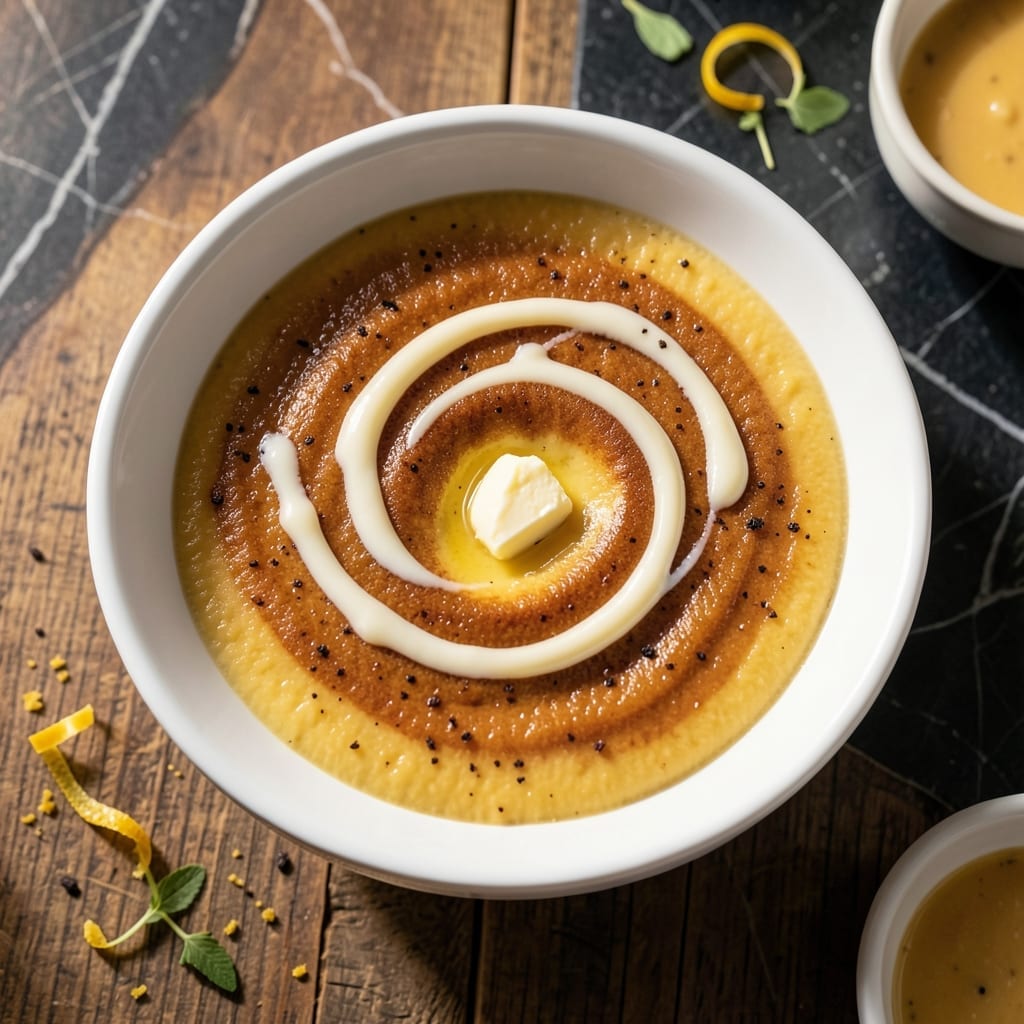
This custard recipe transforms simple ingredients into a rich, velvety dessert that’s impossible to resist. The condensed milk creates a naturally sweet base with a luxurious texture that’s both creamy and smooth.
The key is gentle heat and constant stirring to prevent curdling, ensuring a perfectly set custard every time. This method guarantees a dessert that’s decadent yet simple, with minimal effort for maximum reward.
What you’ll get is a silky custard with a depth of flavor that’s both comforting and indulgent. It’s a timeless treat that works as a standalone dessert or as a topping for pies and fruits.
Ready in under 30 minutes, this recipe is a foolproof way to satisfy any sweet craving.
Ingredients for Custard Recipe with Condensed Milk
Rich, velvety custard starts with these pantry and fridge staples for a decadent treat.
| Ingredient | Amount | Notes |
|---|---|---|
| Whole Milk 🥛 | 2 cups | Full-fat for creaminess |
| Sweetened Condensed Milk 🥫 | 1 can | 14 oz can, standard |
| Large Egg Yolks 🥚 | 4 whole | Room temperature preferred |
| Granulated Sugar 🍚 | ¼ cup | Fine white sugar |
| Vanilla Extract 🌿 | 1 tsp | Pure for best flavor |
| Unsalted Butter 🧈 | 2 tbsp | Cut into small pieces |
| Salt 🧂 | 0.125 tsp | Fine sea salt |
| Ground Nutmeg 🌰 | 0.125 tsp | Freshly grated preferred |
| Cornstarch 🌾 | 1 tbsp | For thickening stability |
| Heavy Cream 🥛 | ½ cup | Cold for easier incorporation |
The condensed milk is non-negotiable for that signature sweetness and thickness. Eagle Brand is the gold standard, available at any major supermarket. For the milk, whole milk gives the creamiest result—skip the skim. Room temperature eggs incorporate more smoothly, so pull them out about 30 minutes before starting. The vanilla should be pure extract, not imitation, for depth of flavor.
No condensed milk? Evaporated milk plus sugar can work in a pinch (simmer 1 1/2 cups evaporated milk with 1 cup sugar until reduced by half). For a lighter version, half-and-half instead of heavy cream. The nutmeg can be omitted, but it adds a subtle warmth that complements the vanilla. If you’re worried about curdling, lower the heat and stir constantly—patience is key.
Custard sets as it cools, so don’t rush the chilling step. Store in an airtight container in the fridge for up to 5 days. It’ll thicken more over time. For best texture, press plastic wrap directly onto the surface to prevent a skin from forming.
Why You’ll Love This Recipe
- 5-Minute Mix: I just whisk the yolks, condensed milk, and vanilla together—no stove juggling or finicky timing.
- Rich as Dessert: The condensed milk adds this deep caramelized sweetness that plain custard can’t touch.
- Dessert or Breakfast: I’ve served it chilled with berries or poured it warm over toast—both work.
- Fridge for Days: Honestly, it keeps for four days, so I make a double batch and grab a spoonful whenever.
Step-by-Step Instructions for Custard With Condensed Milk
Master the technique for a silky, luxurious texture that defines this classic dessert preparation.
Step 1: Combine and Heat the Dairy Base
In a medium saucepan, combine the 2 cups Whole Milk and 1 can Sweetened Condensed Milk. Place over medium heat and warm gently, stirring frequently with a silicone spatula to prevent scorching.
You want to heat the mixture just until small bubbles form at the edges and steam begins to rise—this should take about 5-7 minutes. Avoid boiling, as this can cause curdling and compromise the final texture. The mixture should reach 180°F on an instant-read thermometer.
Step 2: Whisk Egg Yolks with Sugar and Cornstarch
In a separate bowl, whisk together the 4 whole Large Egg Yolks, 0.25 cup Granulated Sugar, 1 tbsp Cornstarch, and 0.125 tsp Salt until smooth and pale yellow. This step ensures the sugar dissolves completely and the cornstarch distributes evenly.
Temper the egg mixture by slowly pouring about ½ cup of the warm dairy mixture into the yolks while whisking constantly. This gradual introduction prevents the eggs from scrambling. Once incorporated, pour the tempered egg mixture back into the saucepan with the remaining dairy.
Step 3: Cook to Thickened Perfection
Return the saucepan to medium-low heat and cook, stirring constantly with a wooden spoon, for 8-10 minutes. The custard will begin to thicken noticeably, coating the back of the spoon with a smooth, glossy layer.
When the mixture reaches 170-175°F and leaves a clear path when a finger is drawn through it on the spoon, it’s ready. Remove from heat immediately to prevent overcooking. Stir in the 2 tbsp Unsalted Butter, 1 tsp Vanilla Extract, and 0.125 tsp Ground Nutmeg until fully melted and combined.
Step 4: Incorporate Heavy Cream and Chill
Allow the custard to cool slightly for 5 minutes, then gently fold in the 0.5 cup Heavy Cream. This step enriches the texture and ensures a velvety finish. The mixture should be smooth and slightly thickened but still pourable.
Pour the custard into individual serving dishes or a large bowl. Press plastic wrap directly onto the surface to prevent a skin from forming. Refrigerate for at least 4 hours, or until fully set and chilled throughout. The custard will continue to thicken as it cools.
Pro Tips For Making Custard Recipe With Condensed Milk
- Temper the Yolks: Slowly whisk a ladle of hot milk into the egg yolks before combining everything—I learned this the hard way after scrambling my first two batches.
- Skip the Boil: Heat the milk just until steaming, not boiling, or the custard will curdle. About 180°F is the sweet spot.
- Strain the Mix: Pour the custard through a fine-mesh sieve after mixing to remove any cooked egg bits. My grandmother swore by this, and she was right.
- Use Full-Fat Milk: Whole milk makes a real difference here—lower fat versions leave the custard thin and less creamy. After trying both, I never go back.
Regional Styles of These Flavors
British Classic
In the UK, this dessert often appears as a trifle base layered with sponge cake and berries. The condensed milk version adds extra richness to the traditional Bird’s Custard approach, which typically uses custard powder. I love serving it with fresh raspberries and a drizzle of honey. 💛
Latin American Flair
Called natilla in Colombia and Venezuela, this version often includes cinnamon sticks steeped in the milk and a touch of coconut milk for tropical flair. The condensed milk makes it sweeter than European versions, perfect for topping tres leches cake.
Asian Adaptation
In the Philippines, leche flan uses the same principles but bakes the custard in an oven with a water bath. The condensed milk base creates that signature caramel-custard contrast. I find adding pandan extract gives it an authentic regional twist.
Southern US Style
Down South, this custard often becomes a banana pudding base with layers of vanilla wafers and sliced bananas. The condensed milk version is thicker, holding up better to layering. I always add an extra pinch of salt to balance the sweetness.
French Influence
While French crème pâtissière usually starts with milk and sugar, some modern variations incorporate condensed milk for a quicker, sweeter version. It works beautifully in éclairs or as a filling for choux pastry. The texture is slightly different but equally luxurious.
Middle Eastern Twist
In Lebanon and Syria, this custard often gets flavored with rose water or orange blossom water for a floral note. The condensed milk base pairs wonderfully with these delicate flavors, creating a dessert that’s both rich and aromatic.
Nutrition Facts
Frequently Asked Questions
Can I use low-fat milk instead of whole?
Whole milk gives the creamiest texture, but you can use 2% in a pinch. Avoid skim—it won’t be as rich. The fat content affects both flavor and mouthfeel.
Why does my custard get lumpy?
Lumps usually mean the eggs curdled from too-high heat or adding hot milk too quickly. Always temper eggs slowly and cook on medium-low. Straining the finished custard removes any bits.
How long does it keep in the fridge?
Properly stored in an airtight container, it stays fresh for up to 5 days. Press plastic wrap on the surface to prevent a skin from forming.

- BBQ Sausage Recipe Oven: Smoky Depth Without the Grill - September 28, 2026
- BBQ Chicken Bowl Recipe Rice: Smoky Sweetness Over Fluffy Grains - September 28, 2026
- Beef Cutlet Recipe Ideas: Crispy Breaded Patties With Bold Seasonings - September 28, 2026