
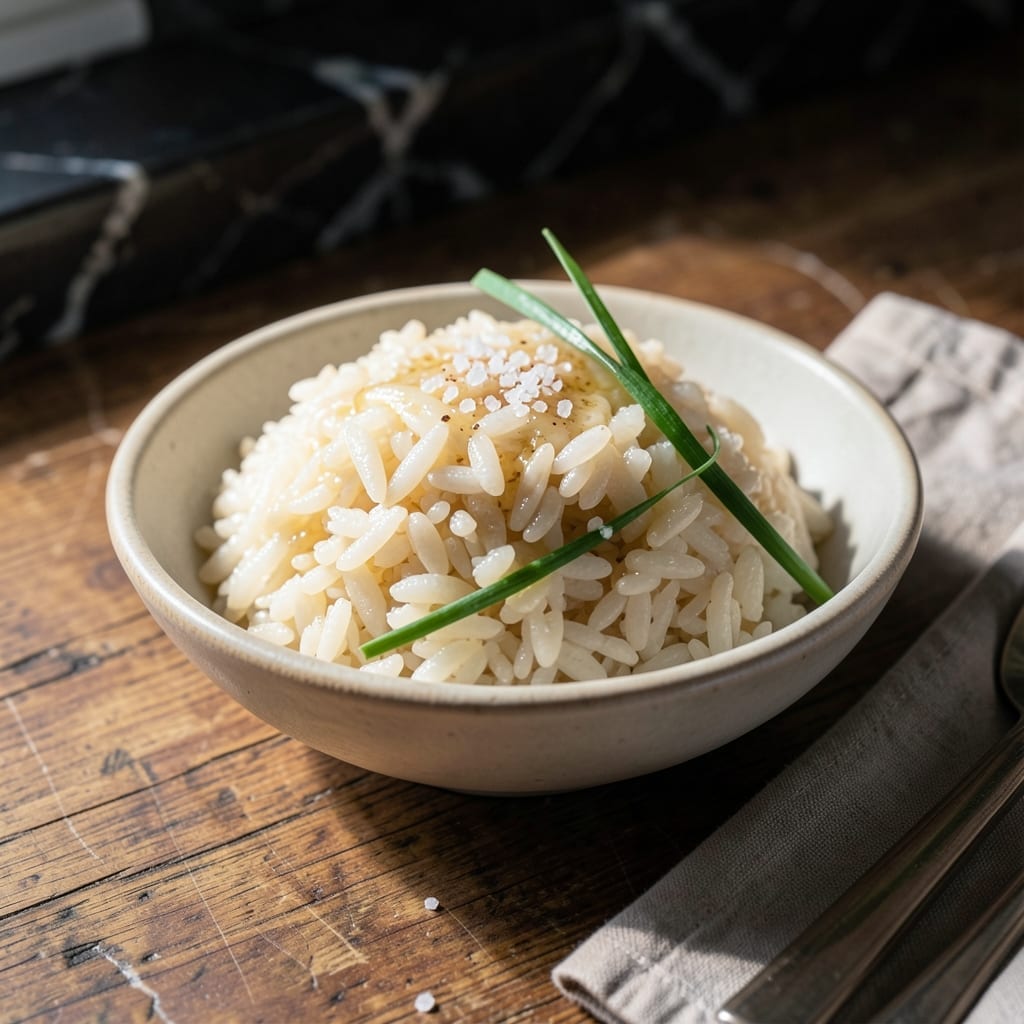
There’s an art to achieving perfectly cooked sticky rice that clumps together just right. This method transforms simple glutinous rice into a dish with the ideal chewy, slightly sticky texture that complements any meal.
The secret lies in precise water ratios and proper soaking time. I’ve refined this technique through years of practice to ensure consistent results every time. The rice grains absorb moisture evenly, creating that signature tender yet firm bite.
Steaming is the final key step that brings everything together. This traditional method locks in moisture while allowing the rice to cook uniformly. The result is a cohesive, glossy finish that’s impossible to resist.
Whether serving as a side or base for other dishes, this rice delivers authentic texture and flavor. Here’s how to make it at home.
Ingredients for Recipe for Sticky Rice
Five simple components transform into that signature chewy, glossy finished dish everyone loves.
| Ingredient | Amount | Notes |
|---|---|---|
| Glutinous Rice 🍚 | 2 cups | Also called sweet rice, uncooked |
| Water 💧 | 2 ½ cups | For soaking rice grains |
| Water 💧 | 1 ½ cups | For steaming rice |
| Fine Sea Salt 🧂 | ¼ tsp | Optional, to taste |
| Neutral Oil 🫒 | 1 tsp | For greasing steamer basket |
The rice is non-negotiable—glutinous rice (sometimes labeled sweet rice) is the only variety that delivers the proper texture. Look for it at Asian markets or the international aisle of well-stocked grocery stores. Brands like Koda Farms or Bob’s Red Mill are reliable. Avoid jasmine or long-grain varieties entirely; they lack the necessary starch content (and yes, it must be uncooked).
No glutinous rice? There’s no perfect substitute—this is one ingredient that can’t be faked. The water amounts are precise: 1.25 cups soaking water per 1 cup rice, and 0.75 cups steaming water per 1 cup rice. Reduce the salt if using salty tap water, or omit entirely for a neutral base. The oil prevents sticking but can be skipped if using a nonstick steamer.
Uncooked glutinous rice keeps indefinitely in a sealed container in a cool, dark place. Once cooked, it stays fresh for 2-3 days at room temperature (wrapped tightly) or up to 1 week refrigerated. Reheat by steaming again with a splash of water to restore moisture and stickiness.
Why You’ll Love This Recipe
- One Pot Wonder: I just rinse, soak, and steam—no fancy gadgets, and the rice does all the work.
- Sweet & Savory Base: That slightly chewy texture with a hint of salt? It soaks up sauces like a dream.
- Meal Prep MVP: I make a big batch on Sunday and pair it with everything from stir-fry to grilled chicken all week.
- Pocket-Friendly Staple: Glutinous rice is cheap, stretches forever, and honestly, it tastes better than takeout.
Step-by-Step Instructions for Sticky Rice
Master the technique for consistently perfect results with this traditional steaming method.
Step 1: Rinse and Soak the Glutinous Rice
Place the 2 cups Glutinous Rice in a fine-mesh strainer and rinse under cold running water until the water runs completely clear. This removes excess starch that would otherwise make the finished product gummy rather than perfectly sticky.
Transfer the drained rice to a large bowl and cover with the 2.5 cups Water for soaking. The grains should be submerged by at least 1 inch. Let soak at room temperature for 4-6 hours or overnight. This crucial hydration step ensures even cooking and that characteristic chewy texture.
Step 2: Prepare the Steamer and Drain the Rice
After soaking, drain the rice thoroughly in the same fine-mesh strainer, shaking gently to remove all excess water. The grains should appear plump but not be dripping wet when you proceed to steaming.
While the rice drains, set up your steaming apparatus. Fill a large pot with 2 inches of water and bring to a boil. Lightly grease your steamer basket with the 1 tsp Neutral Oil to prevent sticking. I recommend using a bamboo steamer lined with cheesecloth for optimal results with this dish.
Step 3: Steam the Rice to Perfection
Spread the soaked and drained Glutinous Rice evenly in the prepared steamer basket, creating a single layer no more than 1 inch thick. If your steamer is small, you may need to work in batches to maintain this thickness for even cooking.
Place the basket over the boiling water, cover tightly with a lid, and steam for 20-25 minutes. Check the water level halfway through and add more boiling water if needed. The rice is done when the grains are tender and translucent with no hard center when tasted.
Step 4: Finish with Salt and Rest
Transfer the steamed rice to a serving bowl. If using, sprinkle the 0.25 tsp Fine Sea Salt evenly over the hot rice and gently fold with a silicone spatula to distribute. Taste and adjust seasoning if needed, keeping in mind that glutinous rice has a naturally sweet flavor profile.
Cover the bowl with a clean kitchen towel and let rest for 5-10 minutes before serving. This resting period allows the grains to absorb any residual moisture and achieve that ideal sticky consistency. Serve warm with your choice of accompaniments.
Pro Tips For Making Recipe For Sticky Rice
- Soak Overnight: I learned this the hard way—glutinous rice needs at least 4 hours in cold water, but 8-12 hours guarantees even cooking and that perfect sticky texture.
- Use Less Water: Unlike regular rice, glutinous rice needs about 20% less water—start with a 1:1 ratio and adjust if your batch is too firm.
- Salt the Water: Add the fine sea salt to the soaking water, not after—this seasons the rice all the way through instead of just the surface.
- Steam, Don’t Boil: After soaking, steam the rice for 20-25 minutes instead of boiling—this prevents it from turning mushy and keeps the grains intact.
Troubleshooting Perfect Results
Rice Still Hard
If your grains remain hard after steaming, they likely needed more soaking time. Ensure your 2 cups Glutinous Rice soaks for the full 4-6 hours in 2.5 cups Water. I once rushed this step and ended up with crunchy rice. 💡
Too Watery or Mushy
Over-soaking or using too much steaming water causes this. Stick to exactly 1.5 cups Water for steaming. Drain the rice thoroughly after soaking—any excess water will create a soggy texture.
Not Sticky Enough
The rice may not have been fresh or the wrong variety was used. Always use glutinous rice and check the expiration date. Old rice loses its starch content over time, reducing stickiness.
Burnt Bottom Layer
This happens when the pot runs dry during steaming. Ensure you have at least 2 inches of boiling water and check the level halfway through. Add more boiling water as needed to prevent scorching.
Uneven Cooking
If some grains are cooked while others aren’t, the layer in your steamer was likely too thick. Spread the rice in a single layer no more than 1 inch thick. For larger batches, steam in multiple batches.
Sticking to Steamer
Even with 1 tsp Neutral Oil, sticking can occur. Try lining your steamer basket with cheesecloth or parchment paper for easier removal. Bamboo steamers work best for this dish. 🔥
Nutrition Facts
Frequently Asked Questions
What rice works best for this?
Only glutinous rice (also called sweet rice) delivers the right texture. Brands like Koda Farms are reliable. Avoid jasmine or long-grain varieties.
Can I skip the soaking step?
No, soaking for 4-6 hours is crucial. It ensures even cooking and the characteristic chewy texture. Skipping it may result in hard, unevenly cooked grains.
How do I store leftovers?
Keep cooked rice in an airtight container at room temperature for 2-3 days or refrigerate for up to 1 week. Reheat by steaming with a splash of water.
Why is my rice mushy?
This usually means too much water or over-soaking. Use exactly 1.5 cups water for steaming and drain rice thoroughly after soaking.

- BBQ Sausage Recipe Oven: Smoky Depth Without the Grill - September 28, 2026
- BBQ Chicken Bowl Recipe Rice: Smoky Sweetness Over Fluffy Grains - September 28, 2026
- Beef Cutlet Recipe Ideas: Crispy Breaded Patties With Bold Seasonings - September 28, 2026