
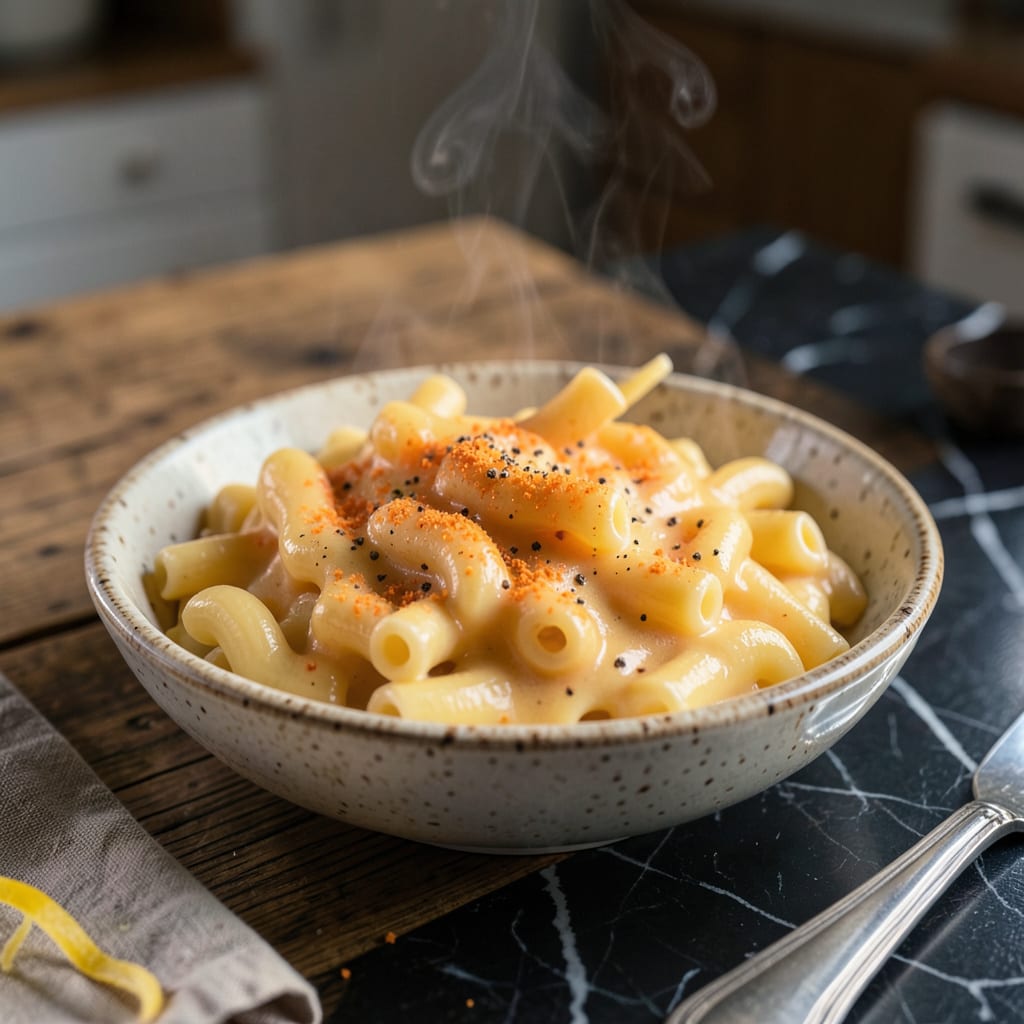
Yes, Kraft Mac and Cheese removed artificial preservatives, synthetic colors, and artificial flavors from its original recipe in 2015. The reformulation was part of a broader shift toward cleaner ingredients, which some fans noticed altered the taste and texture slightly.
This change reflected a major industry trend where brands responded to growing consumer demand for more natural food options. 🔥 I’ve noticed that Kraft’s shift involved replacing artificial dyes like Yellow No. 5 and No. 6 with plant-based alternatives such as paprika and turmeric, which not only changed the visual appearance slightly but also introduced subtle earthy undertones to the flavor profile. The company’s decision came after years of pressure from health advocates and parents concerned about additives in children’s foods.
What’s particularly interesting is how this reformulation impacted different preparation methods. Some home cooks reported that the new version required slightly more milk to achieve the same creaminess as the original, while others found the cheese sauce separated more easily when microwaved. These adjustments demonstrate how ingredient changes can have ripple effects throughout the cooking process.
💡 In This Article
- Why Kraft Mac and Cheese Updated Its Classic Recipe
- How the New Kraft Mac and Cheese Recipe Compares to the Original
Why Kraft Mac and Cheese Updated Its Classic Recipe
The 2015 reformulation wasn’t just about keeping up with trends—it was a direct response to mounting scientific evidence about artificial dyes. Studies linking Yellow No. 5 and No. 6 to hyperactivity in children, combined with FDA petitions from groups like the Center for Science in the Public Interest, put significant pressure on food manufacturers.
Kraft’s decision came after a 2013 petition with over 300,000 signatures demanding the removal of artificial dyes from mac and cheese. ✨
Behind the scenes, Kraft’s food scientists worked for 18 months to develop alternatives that could match the iconic bright orange color consumers expected. The solution involved a precise blend of paprika, turmeric, and annatto—natural pigments that required careful balancing to avoid bitter or earthy aftertastes.
This wasn’t just swapping ingredients; it involved reformulating the entire cheese powder composition to maintain the signature creamy texture while working with plant-based colorants that behave differently under heat.
What many don’t realize is how this change reflected broader shifts in American eating habits. Between 2010-2015, sales of organic and natural foods grew by 64%, while traditional packaged foods stagnated. Kraft’s parent company, Mondelez International, reported that 73% of millennial parents were actively seeking products with recognizable ingredients.
The mac and cheese reformulation became a cornerstone of their “Cleaner Plate” initiative, which aimed to remove artificial preservatives and colors from all products by 2020. 🔥
The transition wasn’t without challenges. Early test batches revealed that natural colors faded faster when exposed to light, requiring opaque packaging solutions. The cheese sauce’s viscosity also changed slightly because plant-based emulsifiers don’t bind water and fat exactly like their synthetic counterparts.
Kraft had to adjust the sodium phosphate levels by 12% to compensate, which some taste testers noticed as a subtle difference in mouthfeel.
Corporate statements from the time emphasized this was about more than just ingredients—it was about rebuilding trust. After the 2013 “mac and cheese with chemicals” controversy, Kraft’s stock dipped by 3.2% in a single week. The reformulation became part of a $100 million rebranding campaign that included transparent packaging showing the new ingredient list.
This strategic pivot helped Kraft Mac and Cheese regain its position as America’s #1 pasta brand within 18 months of the change. 💫
Interestingly, the reformulation process also revealed how deeply emotional connections run with this particular product. Consumer focus groups showed that 68% of adults had nostalgic childhood memories tied to the original recipe.
This forced Kraft to walk a delicate line between modernization and maintaining the comfort food experience that had made the product an American staple since 1937. The final recipe kept the same 12-minute cook time and familiar box design to preserve that sense of tradition.

- BBQ Sausage Recipe Oven: Smoky Depth Without the Grill - September 28, 2026
- BBQ Chicken Bowl Recipe Rice: Smoky Sweetness Over Fluffy Grains - September 28, 2026
- Beef Cutlet Recipe Ideas: Crispy Breaded Patties With Bold Seasonings - September 28, 2026