
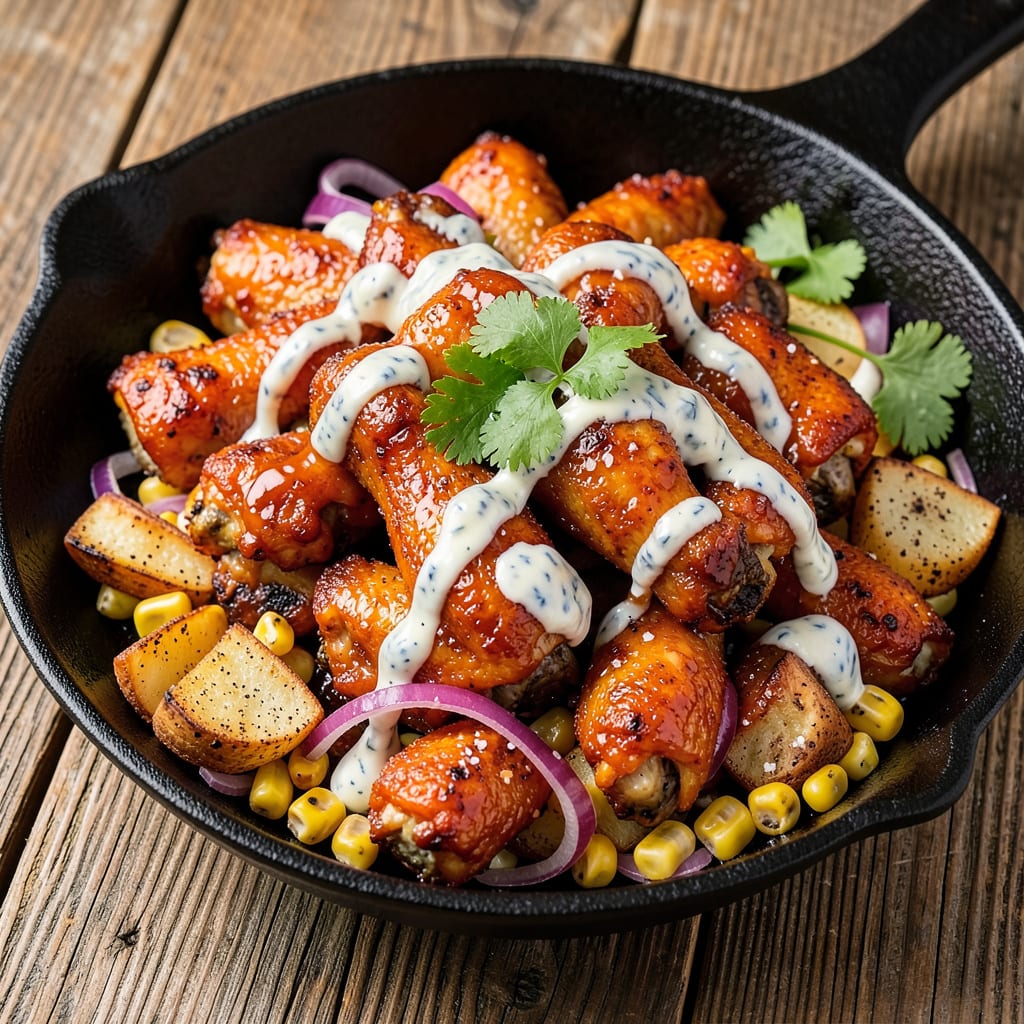
This copycat Frank’s Red Hot seasoning blends cayenne pepper, garlic powder, paprika, salt, and vinegar powder for that signature tangy, spicy kick. Use 1 tablespoon per pound of wings or adjust to taste for authentic buffalo flavor.
What sets this blend apart is how the vinegar powder replicates that iconic tang without liquid, while the cayenne and paprika create layers of heat and color. I’ve tested this ratio against store-bought versions, and the balance hits that familiar buffalo-wing flavor profile perfectly. 🔥
The beauty of making it at home is controlling the intensity—scale back the cayenne for milder heat or add smoked paprika for depth. This isn’t just for wings; try it in dips, marinades, or even sprinkled on popcorn for that signature zesty punch. ✨
💡 In This Article
- Breaking Down Frank’s Red Hot Seasoning Ingredients
- How to Use and Store Homemade Frank’s Seasoning
Breaking Down Frank’s Red Hot Seasoning Ingredients
The magic of this blend starts with cayenne pepper, which delivers the signature heat. Cayenne contains capsaicin, the compound that triggers heat receptors in your mouth—typically measuring 30,000-50,000 Scoville units in this form. The powdered version distributes evenly, ensuring consistent spice in every bite without the grittiness of fresh peppers. 🔥
Garlic powder adds depth through alliinase enzymes, which convert to allicin when exposed to moisture (like in sauces or marinades). This creates that savory, slightly pungent backbone that balances the heat. Commercial versions often use dehydrated garlic at 180°F to preserve these compounds, which is why homemade blends should use high-quality powder—not granulated garlic, which lacks the same potency.
Paprika serves two critical roles: color and mild sweetness. The bright red hue comes from carotenoids like capsanthin, while its subtle earthiness rounds out the sharpness of cayenne. Smoked paprika can be swapped in for a barbecue-like dimension, but traditional Frank’s uses sweet paprika to keep the focus on the tangy heat. The ratio is key—too much overpowers, too little leaves the blend looking dull.
Vinegar powder is the secret weapon for that iconic tang. It’s made by spray-drying white vinegar (typically 5% acetic acid) onto a maltodextrin base, which reconstitutes when mixed with liquids. This mimics the fermented tang of the original sauce without adding moisture. For reference, 1 teaspoon of vinegar powder ≈ 1 tablespoon liquid vinegar, so adjustments must be precise to avoid overpowering the blend.
Salt acts as both a flavor enhancer and preservative. Commercial blends use fine-grained salt (0.1mm particles) for even distribution, while coarse salt can create inconsistent seasoning. The standard ratio is 1 part salt to 2 parts cayenne by volume, which amplifies the other flavors without making the mix overly salty.
This balance is why the seasoning works equally well on wings, fries, or even Bloody Mary rims.
What most people overlook is how particle size affects performance. Store-bought versions are milled to 100-150 microns for uniformity, while homemade blends may separate if ingredients aren’t sifted together. A quick pulse in a spice grinder ensures even distribution—critical for that restaurant-quality consistency in every sprinkle. ✨
Pro tip: If your blend tastes flat, it’s often the vinegar powder. Store-bought versions sometimes add citric acid (0.5-1%) for extra brightness. A pinch of it can revive homemade batches that lack that signature zing. The right balance should make your mouth water slightly before the heat kicks in—that’s how you know it’s spot-on. 💫

- BBQ Sausage Recipe Oven: Smoky Depth Without the Grill - September 28, 2026
- BBQ Chicken Bowl Recipe Rice: Smoky Sweetness Over Fluffy Grains - September 28, 2026
- Beef Cutlet Recipe Ideas: Crispy Breaded Patties With Bold Seasonings - September 28, 2026