
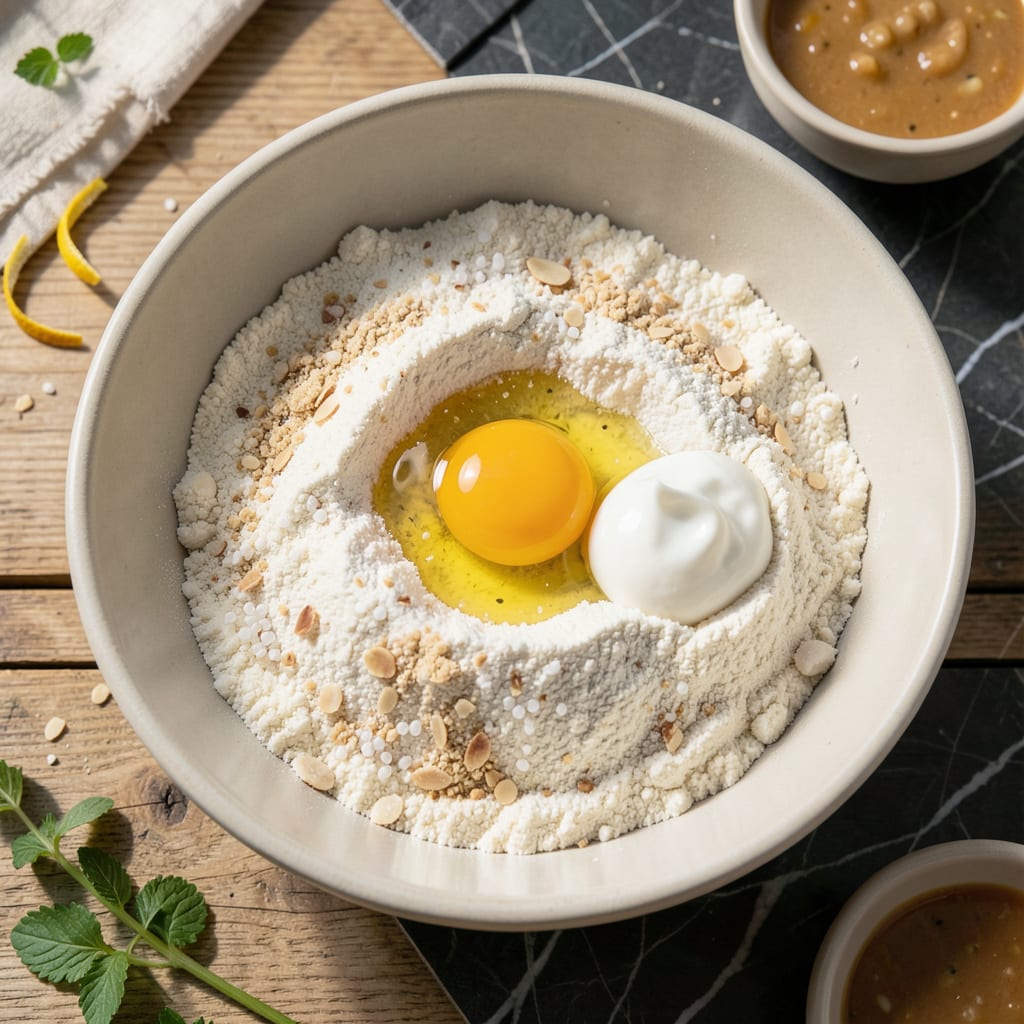
This gluten free pierogi dough delivers tender pockets that hold any filling beautifully. The key is a precise blend of alternative flours and proper resting time.
With simple ingredients and careful rolling, you’ll achieve perfect texture—soft yet sturdy enough to boil or pan-fry without falling apart.
Ingredients for Gluten Free Pierogi Dough
A precise blend of alternative flours and binders creates tender, sturdy dough for any filling.
| Ingredient | Amount | Notes |
|---|---|---|
| Gluten-Free All-Purpose Flour Blend 🌾 | 2 cups | Plus extra for dusting |
| Tapioca Starch 🌾 | ½ cup | For elasticity and chew |
| Almond Flour 🌰 | ¼ cup | Fine, blanched variety |
| Xanthan Gum 🧪 | ½ tsp | Omit if blend contains it |
| Large Eggs 🥚 | 2 whole | Room temperature for binding |
| Sour Cream 🥛 | ½ cup | Full-fat for tenderness |
| Unsalted Butter 🧈 | 4 tbsp | Melted and cooled |
| White Vinegar 🍶 | 1 tsp | Helps relax the dough |
| Sea Salt 🧂 | ½ tsp | Fine grain preferred |
| Water 💧 | ¼ cup | Warm, as needed for texture |
The flour blend is non-negotiable for texture. King Arthur’s Measure for Measure is my go-to—consistent results every time. Tapioca starch adds the chew you miss in gluten-free baking, while almond flour brings richness. Bob’s Red Mill carries both if your local store doesn’t. Xanthan gum is the secret to elasticity; skip it only if your blend already includes it (check the label).
No almond flour? Fine cornmeal at the same amount works in a pinch, though the texture will be slightly denser. Out of sour cream? Greek yogurt at one-to-one ratio substitutes well. The vinegar might seem odd, but don’t skip it—it relaxes the dough for easier rolling. Eggs must be room temperature to emulsify properly with the fats.
Rest the dough 30 minutes before rolling—this hydrates the flours fully. Wrap tightly in plastic; it’ll keep in the fridge for 2 days or freeze for 1 month. Bring to room temperature before using if chilled (the good stuff, not the pre-shredded kind).
Why You’ll Love This Recipe
- No Fuss Mixing: I just dump the gluten-free flour blend, tapioca starch, and almond flour in one bowl—no sifting, no waiting.
- Buttery Rich Taste: The almond flour adds this warm, nutty depth that makes the dough taste indulgent, not just “gluten-free.”
- Freezer Friendly: I make a double batch, freeze the extras, and pull them out for quick dinners when I’m short on time.
- Budget Stretcher: A bag of the flour blend and a few eggs go a long way—way cheaper than store-bought gluten-free pierogi.
Step-by-Step Instructions for Gluten Free Pierogi Dough
This method ensures a supple, workable dough that rolls out smoothly and encapsulates fillings perfectly.
Step 1: Combine Dry Ingredients for Structure
In a large mixing bowl, whisk together the 2 cups Gluten-Free All-Purpose Flour Blend, 0.5 cup Tapioca Starch, 0.25 cup Almond Flour, 0.5 tsp Xanthan Gum, and 0.5 tsp Sea Salt until fully integrated. The almond flour adds tenderness while the tapioca starch provides essential elasticity.
Ensure there are no visible streaks of flour or lumps in the mixture. This uniform blend creates a consistent base that prevents the dough from cracking during rolling. The xanthan gum is critical here—it mimics the gluten structure that would normally hold everything together.
Step 2: Incorporate Wet Ingredients Gradually
Create a well in the center of the dry ingredients. Add the 2 whole Large Eggs, 0.5 cup Sour Cream, 4 tbsp Unsalted Butter (melted and cooled), and 1 tsp White Vinegar. The vinegar relaxes the dough, making it more pliable and easier to work with.
Using a wooden spoon or silicone spatula, gently fold the wet ingredients into the dry mixture just until it begins to come together. The dough will appear shaggy and slightly sticky at this stage—that’s normal. Avoid overmixing, which can activate the xanthan gum too much and make the dough tough.
Step 3: Adjust Texture with Warm Water
Begin adding the 0.25 cup Water, 1 tablespoon at a time, mixing gently after each addition. The dough should come together into a soft, slightly tacky ball but shouldn’t stick to your fingers. You may not need the full amount—stop as soon as the dough holds together.
If the mixture feels too wet, dust with a bit of extra gluten-free flour blend. If it’s too dry and crumbly, add a splash more warm water. The ideal texture is similar to Play-Doh—smooth and cohesive but not sticky. This balance ensures the dough rolls out thinly without tearing.
Step 4: Knead and Rest for Optimal Elasticity
Turn the dough onto a surface dusted lightly with gluten-free flour blend. Knead gently for 2-3 minutes until smooth and elastic. Unlike traditional dough, gluten-free versions require minimal kneading—just enough to distribute ingredients evenly.
Shape the dough into a disk, wrap it tightly in plastic wrap, and let it rest at room temperature for 30 minutes. This resting period allows the flours to fully hydrate and the xanthan gum to work its magic, resulting in a dough that’s tender yet sturdy enough to hold fillings without breaking.
Step 5: Roll and Cut for Perfect Pockets
After resting, divide the dough into 4 equal portions. On a floured surface, roll one portion to about ⅛-inch thickness. Use a 3-inch round cutter to stamp out circles for your pierogi. The dough should hold its shape well without springing back.
Gather scraps, re-roll, and cut additional circles. Keep unused dough covered with a damp towel to prevent drying. This method yields approximately 24 pierogi (6 per serving), each with a tender, pliant texture that perfectly encases your chosen filling.
Pro Tips For Making Gluten Free Pierogi Dough
- Chill the Dough: After mixing, wrap the dough in plastic and refrigerate for at least 30 minutes—this relaxes the xanthan gum and makes rolling much easier. I learned this the hard way after fighting sticky, elastic dough that kept springing back.
- Measure Flours Precisely: Use a kitchen scale for the gluten-free flour blend and tapioca starch, as even small variations can throw off the texture. Scooping with a cup leads to dense dough, and nobody wants a pierogi that tastes like a hockey puck.
- Skip Overworking: Mix just until the dough comes together—overworking develops too much structure from the xanthan gum, making the pierogi tough. Sounds weird, but it works: stop kneading as soon as it looks shaggy.
- Use Eggs at Room Temp: Take the eggs out of the fridge 20 minutes before starting, or place them in warm water for 5. Cold eggs can cause the almond flour to clump, and you’ll spend extra time fixing a lumpy mess.
Wine and Beer Pairings for This Recipe
Polish Beer Pairings
Traditional Polish lagers like Żywiec or Tyskie complement pierogi beautifully with their crisp, clean finish. The light malt profile cuts through rich fillings like cheese or meat. I always keep a few bottles chilled for authentic pairings. 🍺
Light Beer Alternatives
For a gluten-free option, try Omission Lager or Glutenberg Blonde. Their light, refreshing character won’t overpower the delicate dough. Serve at 45-50°F for the best flavor experience.
White Wine Options
A chilled Polish Riesling or Sauvignon Blanc offers bright acidity that balances creamy fillings. I prefer a dry Riesling from the Lubuskie region for its mineral notes. 🍷
Cider Pairings
Hard cider, especially dry Polish cider, provides a fruity contrast to savory pierogi. The effervescence cleanses your palate between bites. Look for Cydr Lubelski in specialty stores.
Non-Alcoholic Choices
Sparkling water with lemon or Polish cherry juice (like Wiśniówka) works wonderfully. The tartness of cherry juice pairs especially well with sweet fillings like blueberry or plum.
Nutrition Facts
Frequently Asked Questions
Why does this dough need xanthan gum?
Xanthan gum replaces gluten’s binding properties in traditional dough. It creates elasticity and prevents crumbling, especially important for pierogi that must hold fillings. Most gluten-free flour blends already include it, so check your label first.
Can I make this dough ahead of time?
Yes! Wrap the dough tightly in plastic and refrigerate for up to 2 days or freeze for 1 month. Thaw overnight in the fridge, then rest at room temperature for 30 minutes before rolling.
What if my dough cracks while rolling?
This usually means it’s too dry. Sprinkle warm water 1 tsp at a time and knead briefly. If it’s too sticky, dust with more gluten-free flour. Let it rest 10 minutes before trying again.
Can I use a different starch instead of tapioca?
Potato starch works as a 1:1 substitute, but arrowroot may yield a gummier texture. Tapioca is ideal for chewiness, so stick with it if possible. Always measure starches by weight for accuracy.

- BBQ Sausage Recipe Oven: Smoky Depth Without the Grill - September 28, 2026
- BBQ Chicken Bowl Recipe Rice: Smoky Sweetness Over Fluffy Grains - September 28, 2026
- Beef Cutlet Recipe Ideas: Crispy Breaded Patties With Bold Seasonings - September 28, 2026