
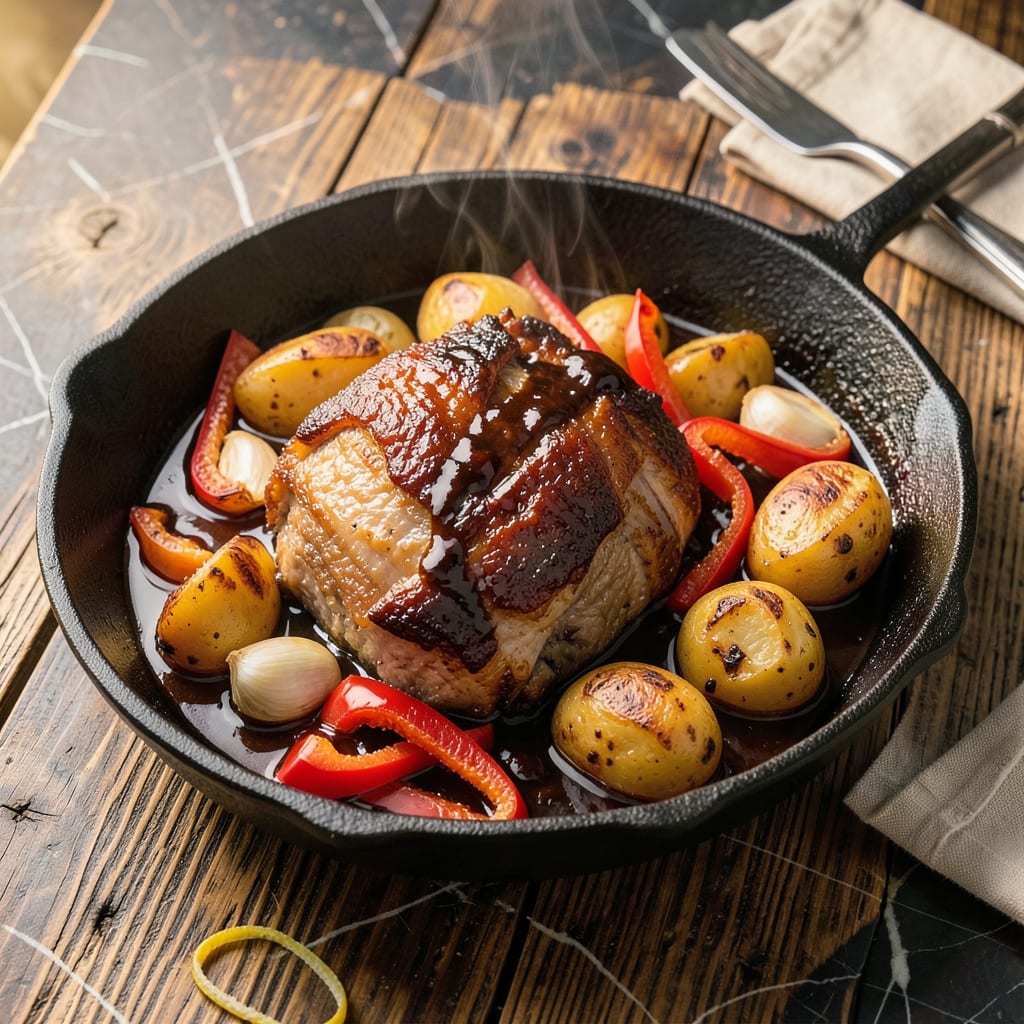
Goya Adobo is a simple yet flavorful seasoning blend combining garlic powder, onion powder, oregano, black pepper, and salt. Use 1 teaspoon per pound of meat for authentic Latin-inspired dishes like grilled chicken, pork, or stews.
This versatile seasoning is a game-changer in Latin American kitchens because it delivers complex flavor with minimal effort. 🔥 The balanced ratio of spices creates a savory foundation that enhances natural meat flavors without overpowering them. I particularly love how the garlic and oregano work together to create depth, while the black pepper adds just enough warmth. What makes it special is its ability to transform ordinary dishes into restaurant-quality meals with just a sprinkle.
Beyond its traditional uses, Goya Adobo shines as a shortcut for busy cooks who want authentic taste without measuring multiple spices. ✨ The sodium content means you’ll often need less additional salt in your recipes, making it both flavorful and practical. It’s become my go-to for everything from quick weeknight dinners to special occasion marinades.
💡 In This Article
- The Cultural Roots of Goya Adobo Seasoning
- 5 Creative Ways to Use Goya Adobo Beyond Meat
The Cultural Roots of Goya Adobo Seasoning
This iconic seasoning blend traces its origins to Puerto Rican kitchens, where it evolved from traditional adobos used throughout Latin America. The Puerto Rican version stands apart by emphasizing garlic and oregano—two flavors central to the island’s sofrito base.
Unlike Spanish adobo (which often includes paprika and vinegar), Goya’s version focuses on dry spices that create a more concentrated flavor profile when applied to meats before cooking.
The magic happens in the precise ratio of ingredients: 25% garlic powder, 25% onion powder, 15% oregano, 10% black pepper, and 25% salt. This balance ensures the garlic doesn’t overpower while the oregano adds earthy depth.
The salt content (about 1,200mg per teaspoon) means it functions as both seasoning and preservative—key for tropical climates where food spoilage was historically a concern. 🌴
In traditional Puerto Rican cooking, Goya Adobo gets worked into the mojo criollo marinade for roast pork or sprinkled on pollo guisado (stewed chicken). The seasoning’s fine texture allows it to adhere perfectly to meat surfaces, creating a flavorful crust when seared.
Chefs often apply it 30-60 minutes before cooking to let the salt begin breaking down proteins, resulting in more tender meat.
What sets Goya’s commercial version apart is its consistent grind size—40-60 mesh—which ensures even distribution. This uniformity matters because coarser spices can create hot spots of flavor, while too-fine powders may burn during cooking.
The brand’s decision to exclude MSG (unlike some competitors) makes it a cleaner option that still delivers umami through the natural glutamates in garlic and onion powders. ✨
The seasoning’s popularity exploded in the 1960s as Puerto Rican communities migrated to U.S. cities like New York. Goya’s mass production made this authentic flavor accessible beyond island kitchens. Today, it remains a cultural bridge—equally at home in a San Juan lechón asado pit as in a Brooklyn apartment kitchen.
The familiar orange canister has become a symbol of diaspora cooking, representing how traditional flavors adapt to new environments.
Fun fact: The oregano in Goya Adobo is typically Mexican oregano (Lippia graveolens), not Mediterranean. This variety has citrusy, slightly peppery notes that pair perfectly with the garlic’s pungency. When heated, these compounds release terpenes that create the distinctive aroma we associate with Latin cooking. 💛

- BBQ Sausage Recipe Oven: Smoky Depth Without the Grill - September 28, 2026
- BBQ Chicken Bowl Recipe Rice: Smoky Sweetness Over Fluffy Grains - September 28, 2026
- Beef Cutlet Recipe Ideas: Crispy Breaded Patties With Bold Seasonings - September 28, 2026