
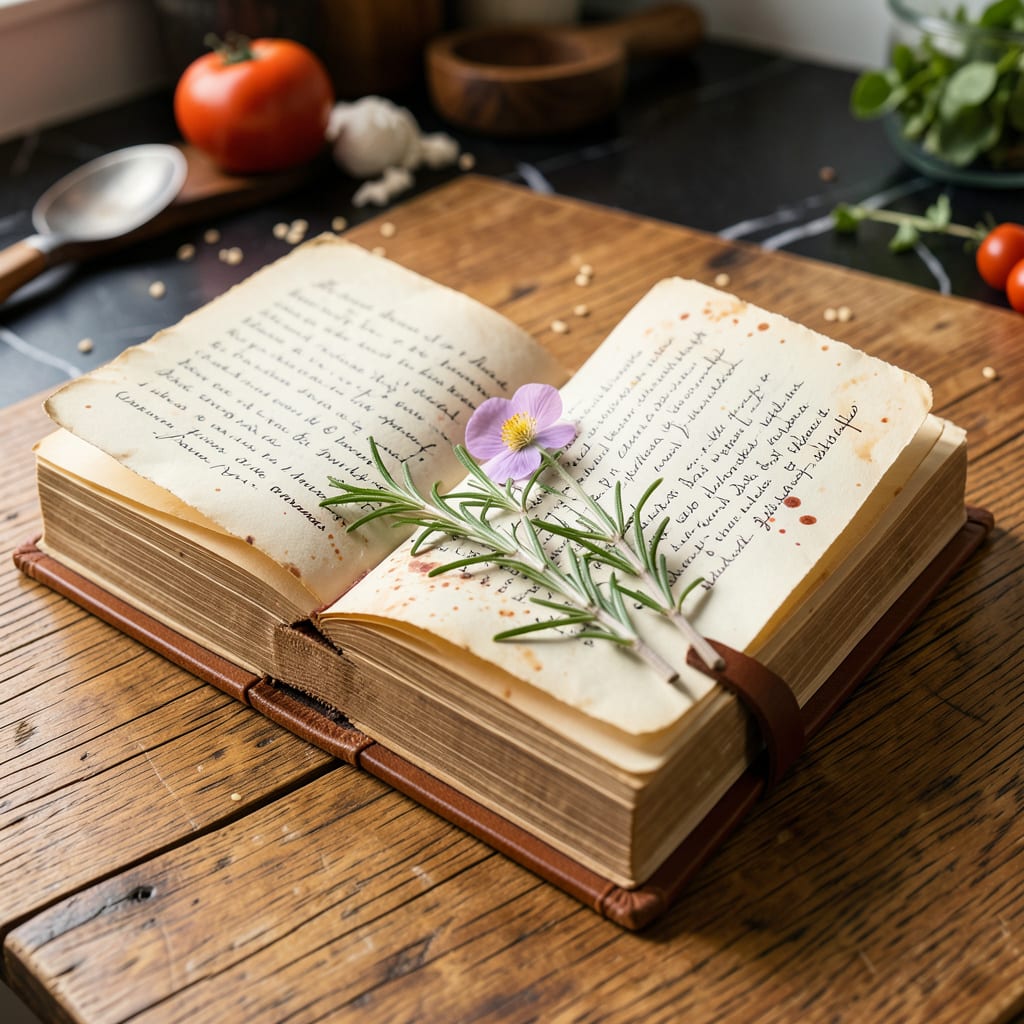
A wooden recipe book combines rustic charm with functionality, featuring handcrafted wooden covers and durable pages for storing family recipes. They’re ideal for heirloom-quality keepsakes or unique kitchen decor.
These handcrafted volumes transform everyday recipes into cherished family artifacts. 💫 Unlike mass-produced binders, they often use sustainably sourced woods like oak or walnut, with acid-free paper that resists yellowing over decades. The tactile experience of writing in one—feeling the grain under your fingertips—creates a deeper connection to the recipes than digital alternatives ever could.
What truly sets them apart is their ability to bridge generations. A well-crafted wooden book can hold 100+ years of handwritten notes, splatter stains, and margin scribbles that tell your family’s culinary story. Many artisans now offer laser engraving for names or special dates, turning them into personalized gifts that become instant heirlooms.
💡 In This Article
- Why Wooden Recipe Books Stand Out as Heirloom Keepsakes
- Top Places to Buy Custom Wooden Recipe Books Online
Why Wooden Recipe Books Stand Out as Heirloom Keepsakes
The magic starts with the wood selection—artisans typically choose hardwoods like oak, walnut, or cherry for their durability and rich grain patterns. These woods contain natural oils that protect against moisture, preventing warping over decades. The covers are often 1/2-inch thick to withstand daily kitchen use while maintaining their elegant appearance.
What most people don’t realize is that properly sealed wood develops a deeper patina over time, making each book uniquely beautiful as it ages. 💫
Inside, the construction matters just as much. Premium versions use acid-free paper (typically 80-100 lb weight) that resists yellowing for 50+ years, with lay-flat binding that prevents spine cracking. Some artisans incorporate hidden features like magnetic closures or elastic bands to keep pages secure.
The paper’s toothiness—its subtle texture—actually helps ink adhere better than smooth digital paper, preserving handwritten notes for generations.
Here’s what makes them emotionally powerful: The sensory experience. Running your fingers over the wood grain while writing recipes creates a tactile memory that digital files can’t replicate. The subtle scent of cedar or oak becomes associated with family traditions.
Studies show that handwritten recipes activate different memory centers than typed ones, making the flavors and techniques easier to recall when cooking from these books. ✨
The craftsmanship extends to personalization options that transform them into family legacies. Laser engraving can etch names, dates, or even family crests into the wood at depths of 1/16 inch without compromising structural integrity. Some makers offer custom inlays using contrasting woods to create intricate designs.
The most durable versions use traditional bookbinding techniques like Coptic stitching, allowing the book to lay completely flat when open.
What truly sets them apart is their ability to preserve culinary history.
The acid-free pages can handle generations of use—imagine your great-grandchild reading the same chocolate chip cookie recipe you wrote, complete with your margin notes about “baking 2 minutes less for chewy centers.” Unlike digital files that require technology to access, these books need no electricity or software updates to share family traditions. 🌟
Consider the environmental benefits too. Sustainably harvested wood stores carbon throughout its lifetime, and a well-made book eliminates the need for multiple disposable recipe cards or printed pages. The average wooden recipe book lasts 3-5 times longer than synthetic alternatives, making it both an eco-conscious and sentimental choice for preserving culinary heritage.

- BBQ Sausage Recipe Oven: Smoky Depth Without the Grill - September 28, 2026
- BBQ Chicken Bowl Recipe Rice: Smoky Sweetness Over Fluffy Grains - September 28, 2026
- Beef Cutlet Recipe Ideas: Crispy Breaded Patties With Bold Seasonings - September 28, 2026