
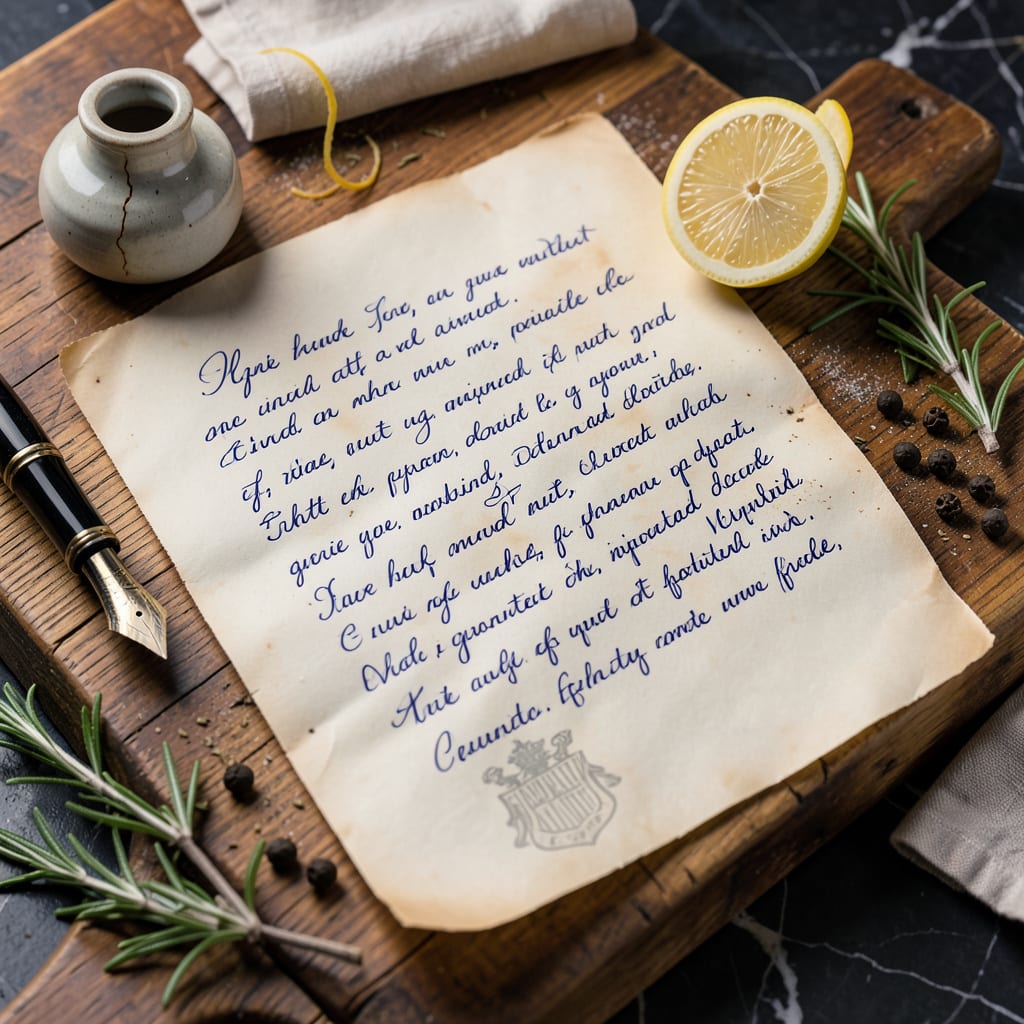
Preserve handwritten recipes by storing them in acid-free sleeves or digitizing them with high-quality scans. Share by creating recipe cards, family cookbooks, or digital archives that maintain their personal touch and authenticity.
These recipes aren’t just instructions—they’re tangible connections to our past. 💛 The faded ink and personal notes on these cards tell stories that typed recipes simply can’t capture. I’ve found that using archival-quality materials prevents yellowing and deterioration over decades, while digital backups ensure they survive accidental damage. What’s powerful about this approach is how it bridges generations: your great-grandchildren could be making the same dishes from the same handwritten notes you cherish today.
The sharing process transforms these recipes from private keepsakes into living family traditions. Creating themed cookbooks or framed recipe displays turns them into conversation pieces that spark memories during gatherings. I always recommend including the original handwriting in digital versions—those personal flourishes and margin notes are what make them irreplaceable. This method honors the recipe’s history while making it accessible for modern kitchens. ✨
💡 In This Article
- Why Handwritten Recipes Hold Emotional and Historical Value
- Step-by-Step Guide to Digitizing Handwritten Recipes Without Losing Charm
Why Handwritten Recipes Hold Emotional and Historical Value
Handwritten recipes carry something digital versions simply can’t replicate: physical evidence of human connection. The pressure of the pen on paper, the unique slant of handwriting, and even the occasional smudge or stain tell stories beyond ingredients.
Studies in neuropsychology show that handwritten notes activate brain regions associated with memory and emotion more strongly than typed text. When you see Grandma’s recipe in her own hand, your brain processes it differently than a printed version.
These recipes often contain subtle historical markers that reveal family patterns. The type of paper (linen, cardstock), ink colors, and even the measurement units (1 cup vs. “a handful”) can indicate when and where the recipe originated.
I’ve seen recipes where the same card shows three generations of handwriting—original instructions in faded ink, with later additions in different pens. This creates a tangible timeline of culinary evolution within a family. 💛
The physical imperfections add layers of meaning. Stains might indicate a frequently-used favorite, while margin notes like “double for Thanksgiving” reveal family traditions. The psychology behind this is fascinating: our brains assign greater value to objects with visible signs of use.
A 2018 study in the Journal of Consumer Research found that people consistently rate “well-loved” items as more authentic and valuable than pristine versions.
There’s also the sensory experience that digital can’t replicate. The texture of aged paper, the faint scent of spices absorbed over years, even the sound of the card being handled—these create multisensory memories. When you hold a recipe card that’s been touched by generations, you’re literally connecting with your family’s past through touch.
This is why many families report feeling stronger emotional connections when cooking from original handwritten recipes versus digital copies. ✨
The sharing of these recipes creates what anthropologists call “culinary kinship”—a sense of belonging forged through shared food traditions. When you pass down a handwritten recipe, you’re not just sharing cooking instructions; you’re transmitting family identity.
The act of copying the recipe by hand (as many families do) reinforces this connection, as the physical process of writing helps encode the memory more deeply than simply forwarding a digital file.
Preservation becomes an act of cultural conservation. Each time you make Grandma’s pie from her original card, you’re participating in what food historians call “living heritage.” The recipe card becomes a bridge between past and present, with each use adding another layer to its story.
This is why archivists recommend handling these recipes with clean hands—the oils from your skin become part of the card’s history too. 🌟

- BBQ Sausage Recipe Oven: Smoky Depth Without the Grill - September 28, 2026
- BBQ Chicken Bowl Recipe Rice: Smoky Sweetness Over Fluffy Grains - September 28, 2026
- Beef Cutlet Recipe Ideas: Crispy Breaded Patties With Bold Seasonings - September 28, 2026