
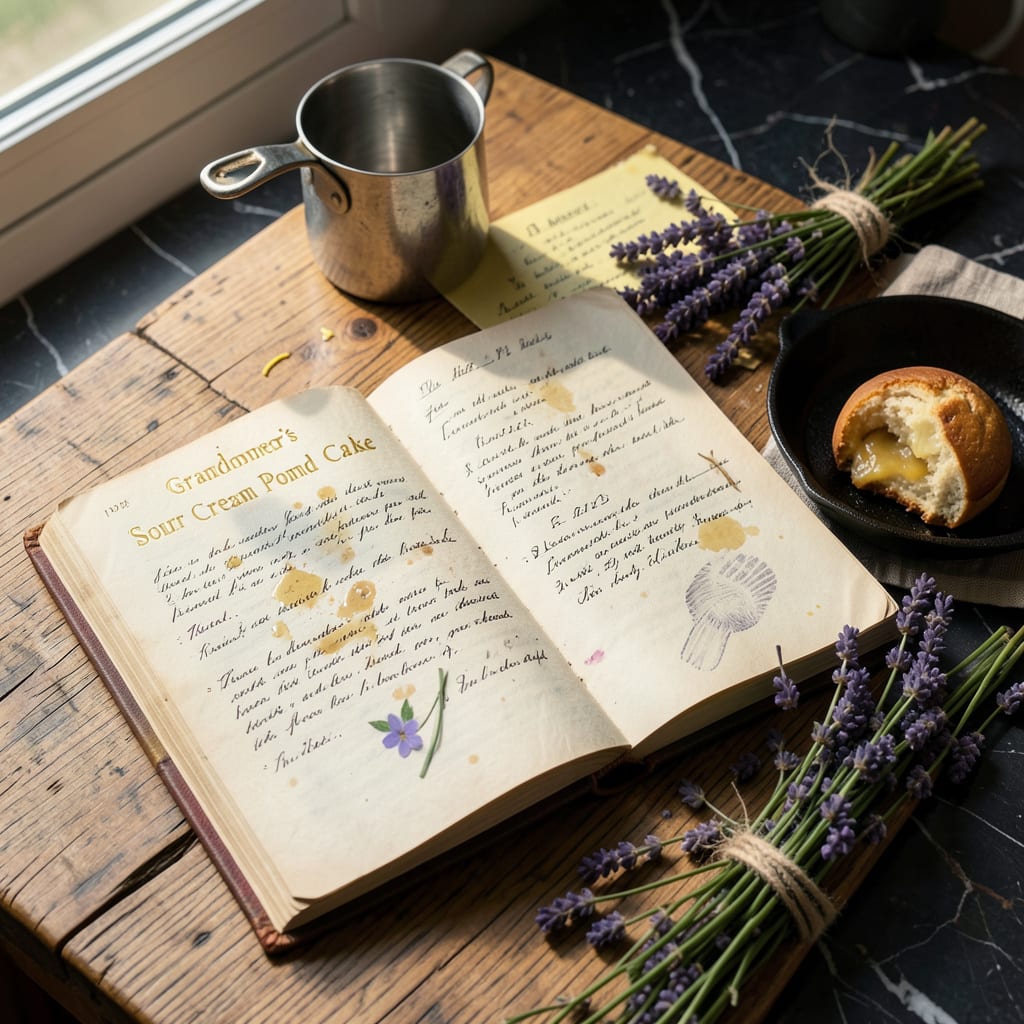
An heirloom recipe book preserves family traditions by collecting cherished recipes, handwritten notes, and cooking stories in a durable, personalized format. Use acid-free paper, archival sleeves, and include photos for a meaningful keepsake that lasts generations.
These books become more than just collections—they transform into tangible connections to your heritage. 💛 I’ve seen families rediscover lost traditions when flipping through pages stained with decades of kitchen adventures. The key lies in choosing materials that resist yellowing and deterioration, like archival-quality paper and pH-neutral adhesives, which protect your recipes from becoming brittle over time.
What makes them truly special is how they capture the unwritten details—like Grandma’s secret for testing doneness or the story behind Uncle Joe’s famous chili. These personal touches turn a simple recipe collection into a living family archive that future generations will treasure. ✨
💡 In This Article
- Why Heirloom Recipe Books Preserve More Than Just Recipes
- Step-by-Step Guide to Designing Your Own Heirloom Recipe Book
Why Heirloom Recipe Books Preserve More Than Just Recipes
There’s something almost magical about how food connects us to our past. When you hold a handwritten recipe card, you’re not just seeing ingredients—you’re touching the same paper your grandmother held while cooking. The smudges of flour, the faded ink, even the particular way she formed her letters all carry emotional weight.
Studies in sensory psychology show that physical recipes trigger stronger memory recall than digital versions, activating both visual and tactile memory pathways.
The science of preservation plays a crucial role here. Acid-free paper with a pH of 7.0 or higher prevents yellowing and deterioration over decades. I’ve seen family cookbooks from the 1920s still legible because they used rag paper (made from cotton fibers) rather than wood pulp.
The difference is dramatic—standard paper yellows in 10-15 years, while archival paper maintains its integrity for 100+ years. 💛 Even the ink matters: pigment-based inks resist fading better than dye-based ones when exposed to light.
What makes these books truly powerful is how they document cultural evolution. That “original” apple pie recipe might have started as a German Apfelkuchen that adapted to American ingredients over generations. The marginalia—notes like “use less sugar since 1942” or “bake 10 minutes longer at high altitude”—tell stories of migration, economic changes, and regional adaptations.
These aren’t just recipes; they’re editable histories of your family’s journey.
The psychological impact is profound. Neuroscientists have found that cooking from family recipes activates the same brain regions as listening to childhood music. The familiar smells and tastes create what’s called “autobiographical memory triggers”—suddenly you’re not just making meatballs, you’re reliving Sunday dinners from your childhood.
This is why heirloom recipe books become emotional anchors during life transitions and holidays. ✨
Consider the multisensory experience: the crackle of an old photo tucked between pages, the vanilla scent lingering on a recipe card, the texture of fabric swatches from a wedding dress used as bookmarks. These elements create what archivists call “material memory”—where the physical object itself becomes part of the memory.
Digital recipes simply can’t replicate this tactile connection to the past.
The most meaningful books often include “recipe constellations”—clustered recipes that tell bigger stories. A Thanksgiving menu from 1953, complete with grocery receipts showing prices (12¢ per pound for turkey!), alongside photos of that year’s table setting. Or a series of birthday cake recipes showing how decorations changed as the family grew.
These groupings transform individual recipes into a narrative arc of your family’s life. 🌟
What surprises many people is how these books become living documents. The same recipe might appear multiple times with different handwriting as it’s passed down, each version reflecting its era. The 1970s version might include Jell-O (very trendy then), while the 2000s version substitutes agave syrup.
This layering creates what cultural anthropologists call “culinary palimpsests”—where each generation writes over but never completely erases what came before.

- BBQ Sausage Recipe Oven: Smoky Depth Without the Grill - September 28, 2026
- BBQ Chicken Bowl Recipe Rice: Smoky Sweetness Over Fluffy Grains - September 28, 2026
- Beef Cutlet Recipe Ideas: Crispy Breaded Patties With Bold Seasonings - September 28, 2026