
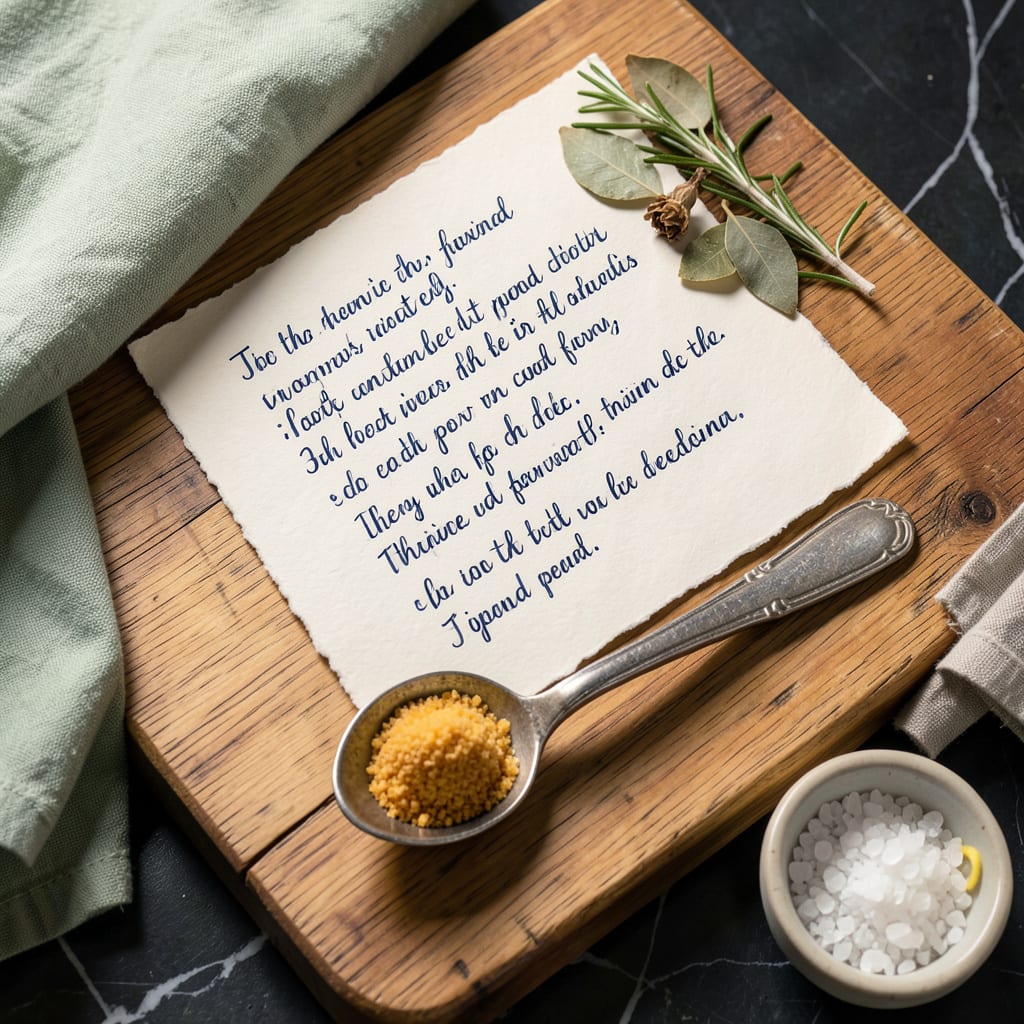
Standard recipe cards are typically 4×6 inches, though 3×5 inches is also common for compact storage. Larger formats like 5×7 inches offer more writing space for detailed recipes.
I’ve found these dimensions strike the perfect balance between practicality and functionality. The 4×6-inch size dominates because it accommodates most recipes without overwhelming kitchen drawers, while 3×5-inch cards fit neatly into standard index card boxes—ideal for quick-reference recipes. 🔥 What’s fascinating is how these sizes evolved alongside home cooking trends: smaller cards became popular during the mid-20th century when space-saving kitchen organization took priority, while larger formats gained traction as home chefs began documenting more complex, multi-step dishes.
Your choice ultimately depends on how you use them. Handwritten family recipes with personal notes often need that extra space, while simple ingredient lists work beautifully on the compact versions. I always recommend considering your storage system first—nothing’s worse than beautiful recipe cards that won’t fit in your favorite box! ✨
💡 In This Article
- Standard Recipe Card Sizes and Their Origins
- Choosing the Right Recipe Card Size for Your Needs
Standard Recipe Card Sizes and Their Origins
The 4×6-inch recipe card became the gold standard in the early 1900s when home economists and cooking schools needed a uniform system for sharing recipes. This size perfectly balanced readability with storage efficiency, fitting neatly into the newly popular kitchen card files and wooden recipe boxes.
The dimensions aligned with standard printing presses of the era, making mass production cost-effective for companies like Dennison Manufacturing, which dominated the early recipe card market.
What’s fascinating is how these dimensions evolved alongside kitchen technology. The 3×5-inch cards gained traction in the 1950s as suburban kitchens shrank and home cooks needed space-saving solutions. This size mirrored the standard index card format already used in libraries and offices, creating a familiar system.
Meanwhile, the 5×7-inch format emerged later as home chefs began documenting more elaborate dishes—particularly during the 1980s gourmet cooking boom when recipes often included multiple components and detailed techniques.
The paper industry played a crucial role too. Standard cardstock sheets measured 8.5×11 inches, which could be efficiently cut into four 4×6-inch cards with minimal waste. This manufacturing practicality cemented the size’s dominance.
🔥 Even today, most recipe card printers and templates default to these dimensions because they represent the perfect compromise between writing space and storage convenience.
Vintage recipe cards often reveal this evolution. My grandmother’s 1930s collection features mostly 4×6-inch cards with elegant cursive, while my mother’s 1970s cards include more 3×5-inch versions with typed labels. The shift reflects changing cooking habits—from elaborate family recipes to quick weeknight meals.
Modern variations now include 5×7-inch cards for meal prep enthusiasts who need space for nutritional information and multiple serving adjustments.
What most people don’t realize is that these sizes weren’t arbitrary—they were carefully calculated to accommodate the average recipe’s needs. A 4×6-inch card comfortably holds about 200-250 words of handwritten content, which covers most standard recipes.
The 3×5-inch version fits about 100-150 words, perfect for simple ingredient lists or quick-reference recipes like basic cookie dough or salad dressings. ✨
Even digital recipe apps often mimic these physical dimensions. When you see recipe cards in apps like Paprika or Yummly, they’re frequently designed with similar aspect ratios.
This continuity between physical and digital formats speaks to how deeply these size standards have become ingrained in our culinary culture—proving that good design stands the test of time.

- BBQ Sausage Recipe Oven: Smoky Depth Without the Grill - September 28, 2026
- BBQ Chicken Bowl Recipe Rice: Smoky Sweetness Over Fluffy Grains - September 28, 2026
- Beef Cutlet Recipe Ideas: Crispy Breaded Patties With Bold Seasonings - September 28, 2026