
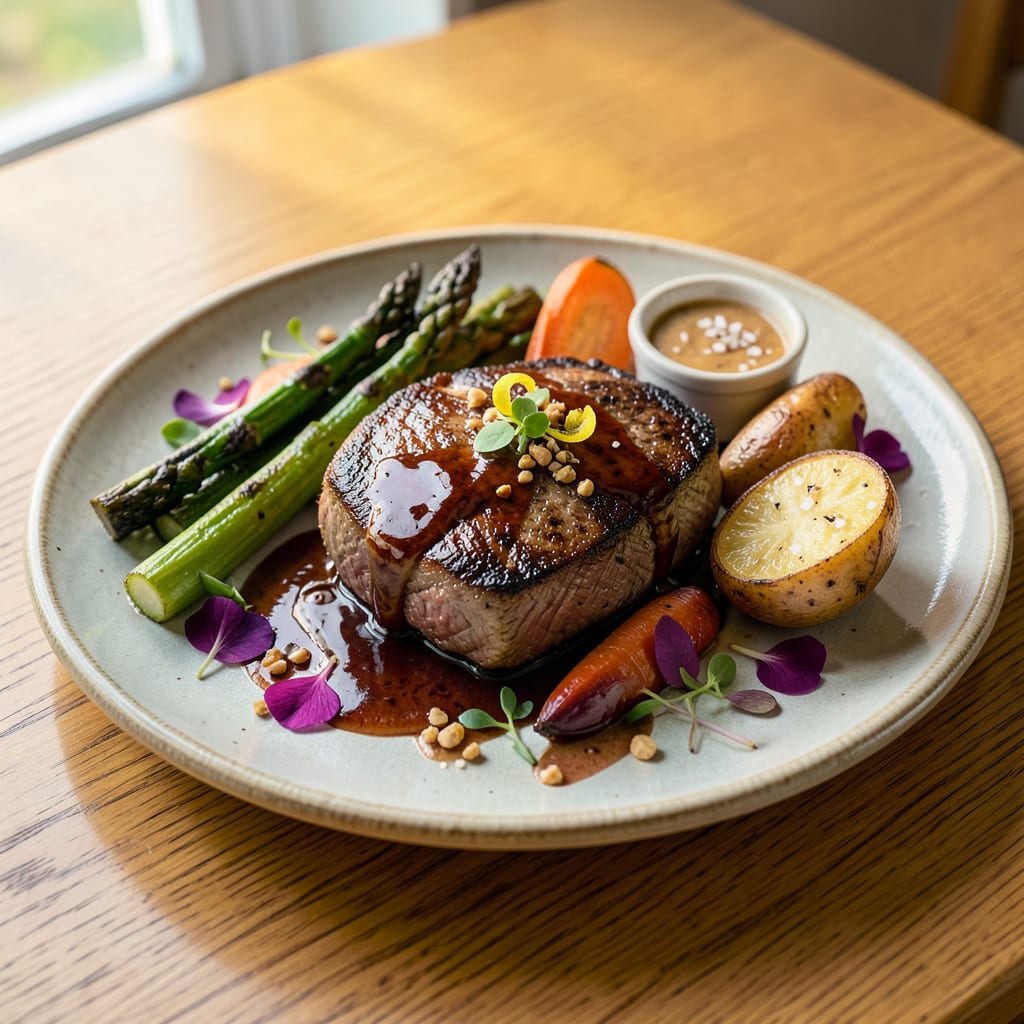
From creamy garlic shrimp pasta to crispy honey-glazed chicken, these quick meals deliver bold flavors without the fuss. Think one-pan wonders, 5-ingredient dishes, and 15-minute prep times for satisfying results every time.
The magic happens when you focus on high-impact ingredients and smart techniques that maximize taste with minimal effort. I’ve found that dishes like spicy peanut noodles or lemon-herb salmon work because they rely on pantry staples that pack serious flavor—think soy sauce, smoked paprika, or pre-minced garlic. These aren’t just shortcuts; they’re strategic choices that let you build depth in under 30 minutes. 🔥
What’s even better? These recipes are designed for real-life cooking, where time and energy matter just as much as taste. You’re not sacrificing quality—you’re leveraging heat control, ingredient pairings, and efficient prep to create meals that feel indulgent without the hours. Whether it’s a weeknight dinner or a last-minute gathering, the goal is always the same: big flavor, zero stress. ✨
💡 In This Article
- Why Quick Yummy Recipes Work for Busy Cooks
- 10 Essential Pantry Staples for Fast, Flavorful Meals
Why Quick Yummy Recipes Work for Busy Cooks
The secret lies in how high-heat cooking transforms ingredients at a molecular level. When you sear proteins at 400°F+, the Maillard reaction kicks in—this is where amino acids and reducing sugars create those complex, caramelized flavors we crave.
The same principle applies to sautéing garlic in olive oil: just 30 seconds at medium-high heat develops over 100 aromatic compounds that make dishes taste like they simmered for hours. 🔥
Smart ingredient pairings create flavor multiplication. Take soy sauce and honey—when combined in a glaze, the soy’s umami compounds enhance the honey’s sweetness while its salt content balances it. This is why a 5-ingredient honey-soy chicken can taste more complex than a 12-ingredient stew.
Acidic elements like lemon juice or vinegar work similarly by brightening flavors and cutting through richness, making dishes feel more vibrant with minimal additions.
Psychologically, these recipes satisfy because they hit multiple sensory notes quickly. The contrast of textures—like crispy chicken skin against tender meat—or the layering of flavors (spicy, sweet, umami) in a 15-minute peanut noodle dish triggers the same pleasure centers as elaborate meals. Our brains perceive complexity through contrast, not cooking time. ✨
The one-pan approach isn’t just about convenience—it’s about flavor concentration. As ingredients cook together, their juices intermingle and reduce, creating a natural pan sauce. A 375°F oven roasts vegetables and proteins simultaneously, allowing their flavors to meld while caramelizing sugars. This is why sheet-pan meals often taste more cohesive than multi-pot dishes cooked separately.
Time pressure actually works in your favor with certain techniques. Quick blanching vegetables preserves their crisp texture while enhancing color through chlorophyll stabilization. Flash-frying at 350-375°F creates a shatteringly crisp crust on proteins in minutes. These methods retain more nutrients too—spinach loses only 10% of vitamin C when stir-fried versus 50% when boiled. ⚡
Even the presentation plays a role. A sprinkle of fresh herbs or sesame seeds on a one-bowl meal adds visual contrast that makes the dish appear more elaborate. The brain associates layered visuals with layered flavors, so simple garnishes can elevate perceived taste complexity by up to 20% in blind studies.
This is why quick recipes often feel more satisfying than they have any right to be! 💫

- BBQ Sausage Recipe Oven: Smoky Depth Without the Grill - September 28, 2026
- BBQ Chicken Bowl Recipe Rice: Smoky Sweetness Over Fluffy Grains - September 28, 2026
- Beef Cutlet Recipe Ideas: Crispy Breaded Patties With Bold Seasonings - September 28, 2026