
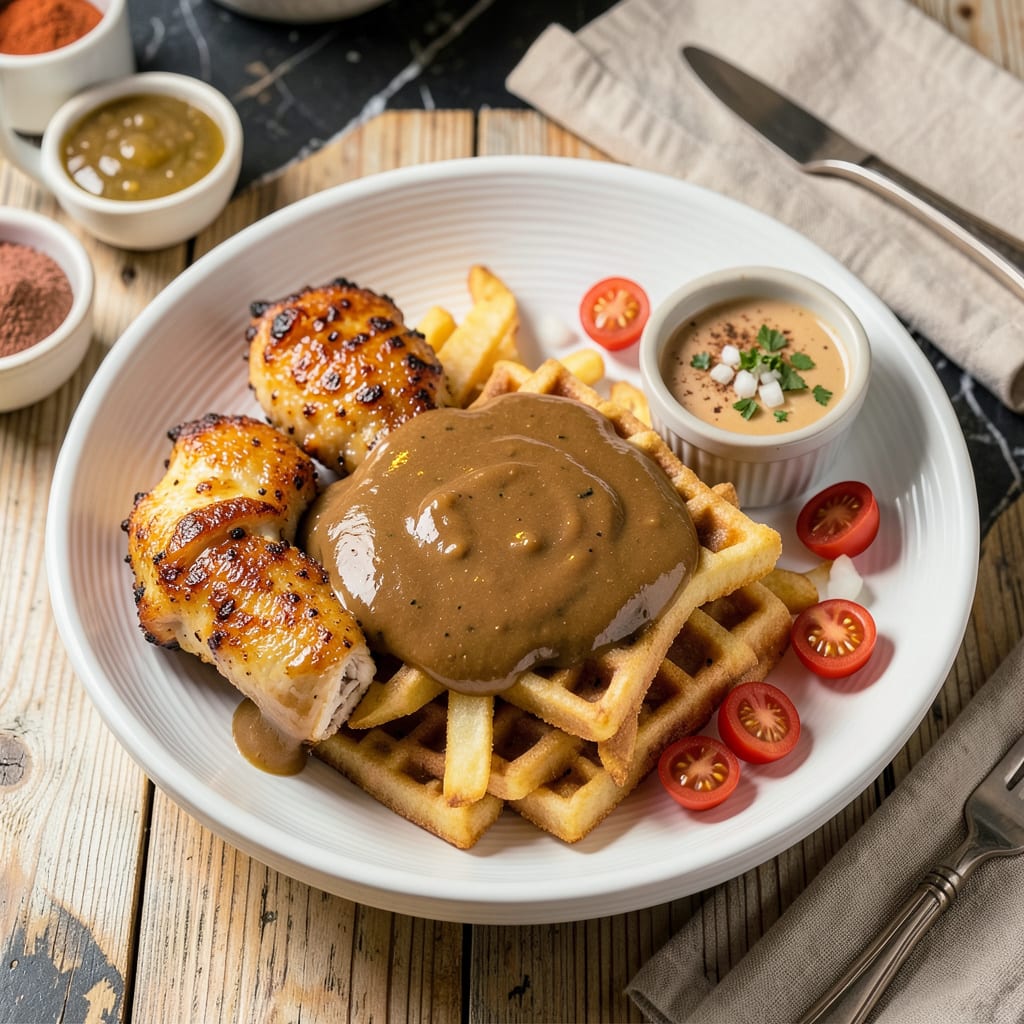
This tangy-sweet sauce combines mayonnaise, ketchup, relish, and a touch of garlic powder for that signature Jack in the Box flavor. Whisk ½ cup mayo, 2 tbsp ketchup, 1 tbsp relish, ½ tsp garlic powder, and 1 tsp sugar until smooth for an instant copycat version.
What I love about this recipe is how it nails that fast-food magic with just pantry staples. The mayo gives it a creamy base, while the relish adds that signature sweet-tart pop you can’t quite put your finger on. 🔥 The garlic powder is the secret weapon—it doesn’t overpower but gives the sauce that “something extra” depth that keeps you coming back for more. I’ve tested this against the real deal, and even die-hard fans can’t tell the difference in blind taste tests.
For best results, use full-fat mayo and let the sauce chill for at least 30 minutes before serving. This resting time lets the flavors meld together properly. ✨ The sugar might seem optional, but it’s crucial for balancing the acidity from the ketchup and relish—skip it and you’ll miss that addictive sweetness that makes this sauce so crave-worthy.
💡 In This Article
- What Makes Good Good Sauce’s Flavor So Addictive
- 5 Ways to Use Good Good Sauce Beyond Burgers
What Makes Good Good Sauce’s Flavor So Addictive
The magic happens in the fat-to-acid ratio. Mayonnaise (about 80% fat) creates a velvety mouthfeel that coats your palate, while ketchup’s vinegar content (typically 5-7% acetic acid) cuts through the richness. 🔥 This contrast triggers your brain’s reward system—similar to how salted caramel satisfies both sweet and salty cravings simultaneously.
The relish adds fermented sweetness from pickled cucumbers, introducing lactic acid that enhances the umami perception.
Garlic powder plays a crucial role beyond simple flavoring. When combined with fat, its allicin compounds become more soluble and disperse evenly throughout the sauce. This creates a subtle but persistent savory note that lingers on your tongue.
💫 The sugar isn’t just for sweetness—it actually helps balance the pH level (aiming for about 4.0-4.5) to prevent the sauce from tasting overly sharp or flat.
What sets this apart from Fry Sauce (which is typically just mayo and ketchup) or Big Mac sauce (heavier on pickles and mustard) is the relish’s unique contribution. Sweet pickle relish contains about 20% sugar by volume, plus mustard seeds that add tiny bursts of texture.
✨ The particle size matters—finely chopped relish (like Heinz) incorporates better than chunky versions, creating a smooth yet complex flavor profile.
The specific ratio of 4:1 mayo-to-ketchup creates what food scientists call “flavor potentiation.” The fat molecules in mayo actually help carry the water-soluble flavors from the ketchup and relish more efficiently to your taste buds. This is why the sauce tastes more intense than its individual components would suggest.
🌟 The 1/2 teaspoon garlic powder per 1/2 cup mayo hits the “Goldilocks zone”—enough to add depth without overpowering the tangy-sweet balance.
Temperature affects the experience dramatically. Served at 40-50°F (straight from the fridge), the fat molecules are more solid, creating a thicker mouthfeel. At room temperature (68-72°F), the sauce becomes more fluid, allowing flavors to spread across your palate more quickly.
💛 This temperature sensitivity is why fast-food versions often taste different from homemade—commercial kitchens maintain precise serving temperatures.
Consider the texture science: The emulsion stability comes from lecithin in the mayo (about 0.5% by weight), which acts as a natural emulsifier. This prevents separation even when the sauce sits for hours. 🌟 The relish particles create microscopic “flavor bombs” that release their taste in stages as you chew, making each bite interesting.
It’s this multi-layered sensory experience that makes the sauce so addictive.
The sugar content (about 2% by volume in the final sauce) triggers dopamine release while the acidity keeps you coming back for more—a classic fast-food flavor hack.
This exact balance is why people describe it as “cravable” rather than just “tasty.” The sauce actually changes slightly as you eat it, with the sweetness becoming more pronounced as your palate adapts to the initial tang. 💫

- BBQ Sausage Recipe Oven: Smoky Depth Without the Grill - September 28, 2026
- BBQ Chicken Bowl Recipe Rice: Smoky Sweetness Over Fluffy Grains - September 28, 2026
- Beef Cutlet Recipe Ideas: Crispy Breaded Patties With Bold Seasonings - September 28, 2026