
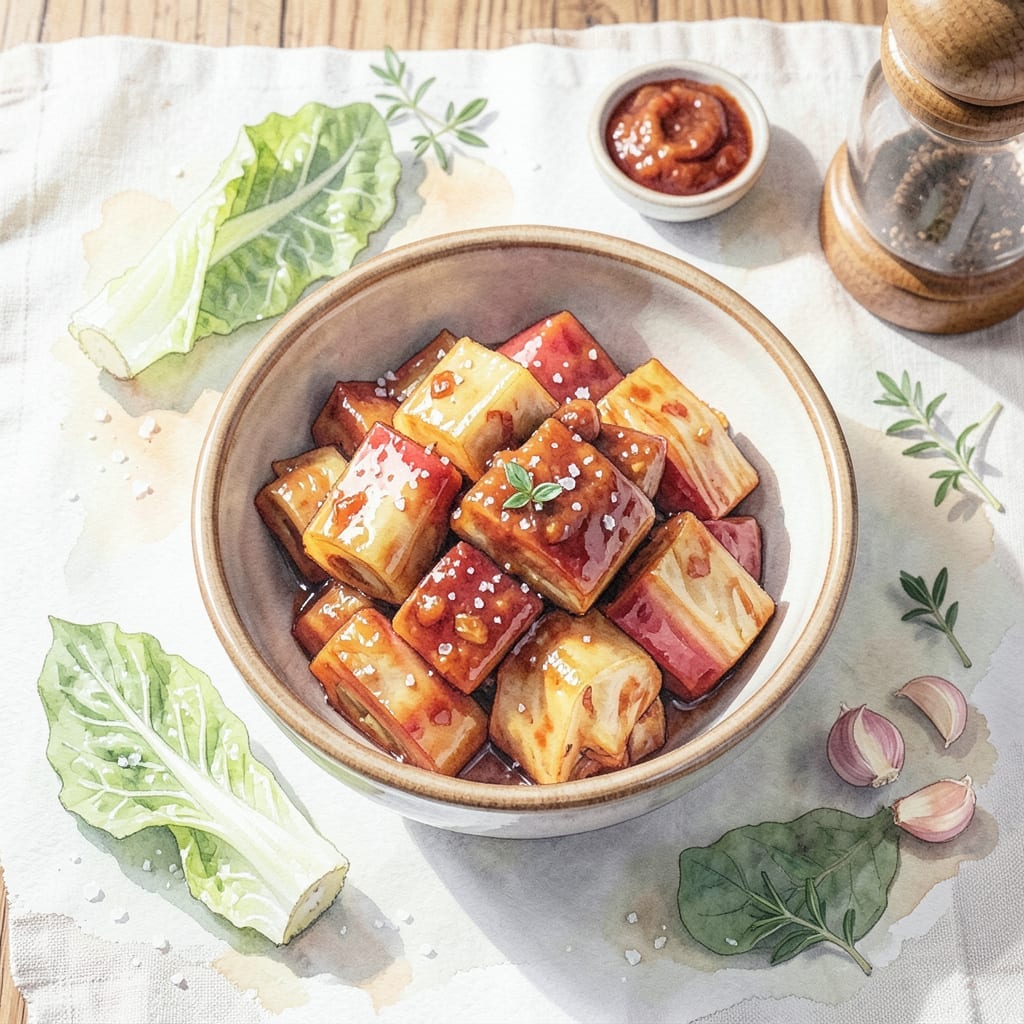
This traditional kimchi recipe transforms fresh cabbage into a fiery, tangy fermented masterpiece using gochujang for authentic Korean heat. The process requires patience but rewards with complex flavors that deepen over days of fermentation.
I developed this method after studying Korean techniques, focusing on the perfect balance of salt, spice, and fermentation time. The gochujang paste adds depth while garlic, ginger, and fish sauce create the signature umami profile.
What emerges after 3-5 days is vibrant red kimchi with crisp texture and bold, spicy-sour notes. The fermentation process creates probiotics while intensifying the flavors to perfection.
Store in airtight containers in the refrigerator, where it will continue developing character for weeks. This version stays true to tradition while ensuring consistent results at home.
Ingredients for Kimchi Recipe Gochujang
Traditional Korean ingredients create bold, fermented flavors with authentic heat and depth.
| Ingredient | Amount | Notes |
|---|---|---|
| Napa Cabbage 🥬 | 2 whole | About 3 lbs total, quartered lengthwise |
| Kosher Salt 🧂 | ¾ cup | Diamond Crystal preferred for even distribution |
| Gochujang Paste 🌶️ | ½ cup | Korean red chili paste, authentic brand |
| Garlic Cloves 🧄 | 12 cloves | Peeled and minced finely |
| Fresh Ginger Root 🌿 | 2 tbsp | Peeled and grated |
| Vegan Fish Sauce 💧 | ¼ cup | Or substitute soy sauce |
| Sugar 🍚 | 3 tbsp | Organic or white granulated |
| Korean Radish 🥕 | 8 oz | Daikon or mu radish, julienned |
| Green Onions 🧅 | 6 whole | Cut into 2-inch pieces |
| Korean Red Pepper Flakes 🌶️ | ½ cup | Gochugaru, fine or coarse |
| Water 💧 | 4 cups | For salt brine |
| Rice Flour 🌾 | 2 tbsp | For porridge to thicken paste |
| Asian Chives 🌱 | ½ cup | Optional but traditional |
The cabbage is critical here—Napa cabbage gives the right texture and crunch. Look for firm heads with vibrant green leaves at Korean markets or well-stocked Asian grocers. H Mart or Assi Plaza are reliable for authentic gochujang and gochugaru. Avoid pre-shredded cabbage; the texture suffers. The radish should be fresh, not limp—daikon works if Korean radish isn’t available.
No gochujang? Blend gochugaru with miso paste for a similar depth. Skip the fish sauce entirely for strict vegan, or use soy sauce plus a dash of seaweed for umami. Garlic and ginger are non-negotiable—fresh only. The sugar balances the heat; coconut sugar adds a caramel note. For extra crunch, add shredded carrot or jicama.
Ferment at room temperature for 1-2 days (taste daily), then refrigerate. Keeps improving for 2-3 weeks in the fridge. Use clean utensils every time to prevent mold. The flavors peak around 1 week—perfect for kimchi pancakes or rice bowls.
Why You’ll Love This Recipe
- Minimal Chopping Required: I just quarter the cabbage and let the salt do the work—no fancy knife skills needed.
- Flavor Bomb: The gochujang and ginger create that deep, spicy-sweet kick I crave in every bite.
- Meal Prep Hero: A big batch lasts weeks in the fridge, so I always have a tangy side ready.
- Budget Stretcher: Napa cabbage is cheap, and this recipe turns it into something ridiculously good.
Step-by-Step Instructions for Spicy Fermented Cabbage
Master this traditional fermentation process for bold, complex flavors developed over days.
Step 1: Salt the Cabbage and Prepare Vegetables
Cut the 2 whole Napa Cabbage lengthwise into quarters, keeping the core intact. Rinse each quarter under cold water while gently separating the leaves. Place them in a large bowl and sprinkle 0.75 cup Kosher Salt between each leaf, focusing on the thick white stems.
Fill the bowl with 4 cups Water to submerge the cabbage completely. Let it soak at room temperature for 1-2 hours, flipping halfway through. Meanwhile, julienne the 8 oz Korean Radish, cut 6 whole Green Onions into 2-inch pieces, and finely mince 12 cloves Garlic Cloves and 2 tbsp Fresh Ginger Root.
Step 2: Rinse and Drain the Cabbage
After soaking, rinse the cabbage quarters under cold water 3-4 times to remove excess salt. Drain in a colander for 20-30 minutes, gently squeezing each quarter to remove water. The leaves should be pliable but not waterlogged—a proper drain ensures the seasoning adheres during fermentation.
While draining, combine 0.5 cup Gochujang Paste, 0.25 cup Vegan Fish Sauce, 3 tbsp Sugar, minced garlic, and grated ginger in a large bowl. Mix in the Korean radish, green onions, and 0.5 cup Korean Red Pepper Flakes until fully incorporated.
Step 3: Create the Rice Flour Porridge
In a small saucepan, whisk 2 tbsp Rice Flour with 1 cup Water until smooth. Heat over medium heat while stirring constantly until it thickens into a glossy, translucent paste, about 3-5 minutes. Remove from heat and let cool slightly.
Pour the cooled porridge into the seasoning mixture and stir to combine. This porridge acts as a binder, helping the spices cling to the cabbage and creating a rich, glossy sauce as it ferments. Fold in the 0.5 cup Asian Chives if using.
Step 4: Apply Seasoning and Pack for Fermentation
Wearing gloves, spread the seasoning mixture evenly between each cabbage leaf, starting from the outer leaves and working inward. Use about ½ cup of the mixture per quarter, ensuring every surface is coated. Fold the quarters in half and place them in clean, airtight containers, pressing down to remove air pockets.
Leave 1-2 inches of space at the top of each container to allow for expansion. Seal tightly and let ferment at room temperature for 1-2 days, then transfer to the refrigerator for at least 1 week before eating. The kimchi is ready when it develops a tangy aroma and the cabbage softens slightly.
Pro Tips For Making Kimchi Recipe Gochujang
- Salt the Cabbage First: After cutting the Napa cabbage, toss it with kosher salt and let it sit for 1-2 hours—this draws out excess water so your kimchi stays crisp, not soggy. I learned this the hard way when my first batch turned into a mushy mess.
- Grate the Ginger: Use a microplane for the fresh ginger root instead of mincing it; the fine texture blends seamlessly into the gochujang paste and spreads the flavor evenly.
- Skip the Overpacking: Resist the urge to cram all the cabbage into one jar—leave at least an inch of headspace to prevent overflow as the kimchi ferments and bubbles.
- Use Gloves: Gochujang and garlic will stain your hands and linger for days, so always wear disposable gloves when mixing the paste into the cabbage—your skin will thank you later.
Common Mistakes When Making Perfect Results
Over-Salting the Cabbage
Using too much salt or not rinsing properly can make your kimchi inedibly salty. Stick to exactly 0.75 cup Kosher Salt for 2 whole Napa Cabbage heads, and rinse 3-4 times under cold water. I learned this the hard way with my first batch. 💡
Skipping the Porridge
The 2 tbsp Rice Flour porridge isn’t optional—it thickens the paste so it clings properly to the cabbage. Without it, your seasoning slides off during fermentation. Cook it until glossy, about 3-5 minutes, then cool slightly before mixing.
Under-Fermenting
Don’t rush the process. Room temperature fermentation for 1-2 days followed by at least 1 week in the fridge allows flavors to develop fully. Taste daily during the room temp phase—you’ll notice the tang developing.
Overpacking Containers
Leave 1-2 inches of headspace in your containers. The cabbage releases liquid during fermentation and needs room to expand. I use wide-mouth mason jars for easy packing and monitoring.
Using Old Ingredients
Fresh garlic, ginger, and Korean Red Pepper Flakes make a huge difference. Old spices lose potency, and stale produce creates off flavors. Check expiration dates on your gochujang and fish sauce too.
Ignoring Cleanliness
Always use clean utensils and containers to prevent mold. I wipe jar rims with vinegar before sealing. Even one contaminated tool can ruin an entire batch. 🧼
Nutrition Facts
Frequently Asked Questions
What can I use instead of gochujang paste?
Blend gochugaru with miso paste for a similar depth. For strict vegan, try soy sauce plus seaweed for umami. The blend won’t be identical but maintains the bold, spicy profile.
How long does fermentation take?
Start with 1-2 days at room temperature, then refrigerate for at least 1 week. Flavors peak around 2 weeks and continue developing for months. Taste daily during the initial phase.
Why use rice flour porridge?
The porridge binds the seasoning to the cabbage and creates a glossy sauce. Without it, spices may slide off during fermentation. Cook for 3-5 minutes until glossy.
Can I use regular cabbage instead of Napa?
Napa cabbage is ideal for texture and crunch, but green cabbage works in a pinch. It’s denser and less sweet, so slice thinly and reduce fermentation time by 1 day.

- BBQ Sausage Recipe Oven: Smoky Depth Without the Grill - September 28, 2026
- BBQ Chicken Bowl Recipe Rice: Smoky Sweetness Over Fluffy Grains - September 28, 2026
- Beef Cutlet Recipe Ideas: Crispy Breaded Patties With Bold Seasonings - September 28, 2026