
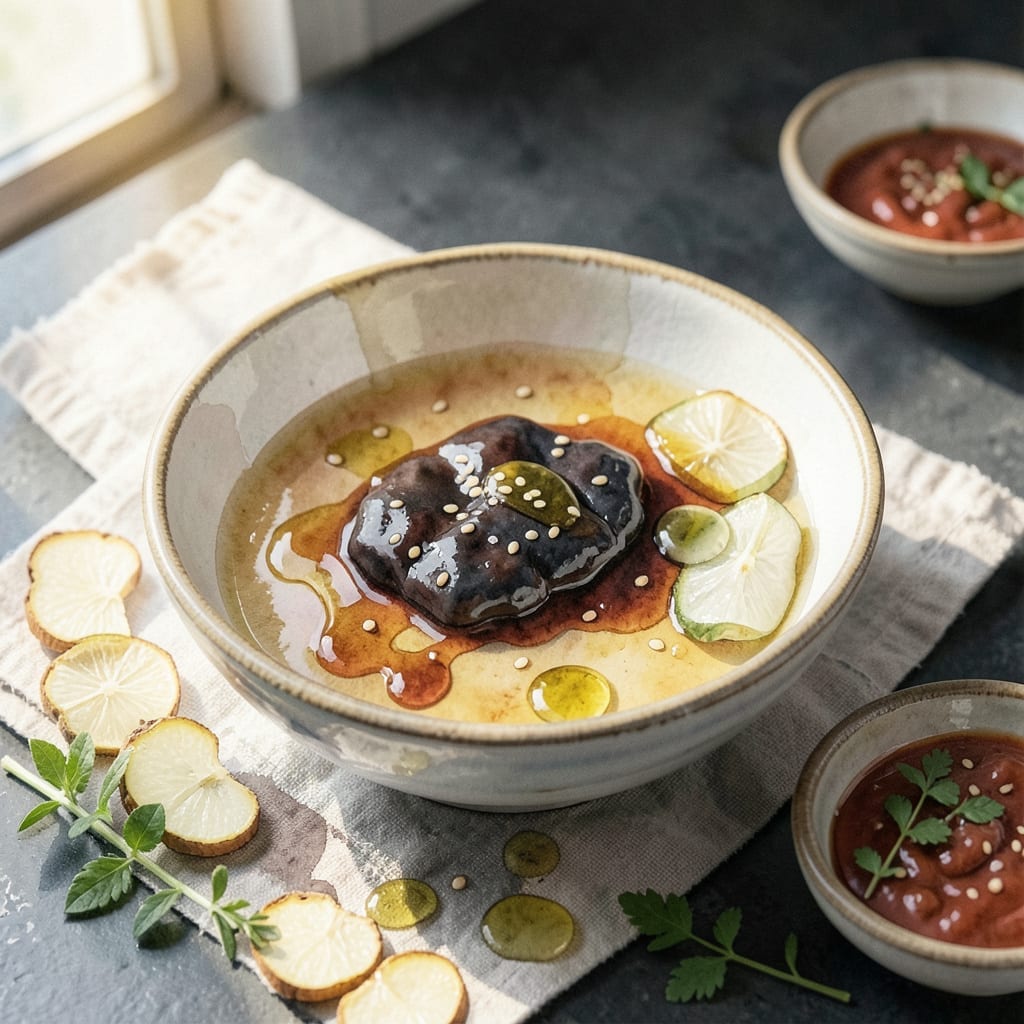
This versatile Japanese cooking wine transforms any dish with its perfect balance of sweetness and umami. I’ve used it to create restaurant-quality glazes, marinades, and sauces that elevate every meal.
The key lies in its ability to tenderize proteins while adding a subtle depth of flavor. Whether you’re making a quick stir-fry or a slow-simmered stew, a splash of this ingredient makes all the difference.
Store it in a cool, dark place, and it will keep for months, ready to enhance your next culinary creation. Its long shelf life makes it a pantry staple worth keeping on hand.
From savory to sweet applications, this ingredient adapts effortlessly, proving its value in both traditional and modern recipes. Let’s explore its potential.
Ingredients for Mirin Recipe Ideas
Eight simple ingredients create a versatile Japanese-inspired sauce with sweet depth.
| Ingredient | Amount | Notes |
|---|---|---|
| Mirin 🍶 | ½ cup | Aji-mirin or hon-mirin preferred |
| Soy Sauce 🥢 | ¼ cup | Low-sodium if available |
| Rice Vinegar 🍚 | 2 tbsp | Unseasoned for balance |
| Maple Syrup 🍁 | 1 tbsp | Vegan sweetener substitute |
| Sesame Oil 🫒 | 1 tsp | Toasted for depth |
| Fresh Ginger 🌿 | 1 tsp | Grated or minced |
| Garlic Cloves 🧄 | 2 cloves | Minced for maximum flavor |
| Scallions 🧅 | 2 whole | Thinly sliced for garnish |
The mirin is the star here. Aji-mirin (the cooking version) is easier to find at Whole Foods or Asian markets than hon-mirin, but both work beautifully. Look for bottles labeled with no added salt or sugar—pure mirin has a cleaner flavor. I always grab mine from H Mart (the big bottles are a steal). If you see something called ‘mirin fuel’ or ‘mirin-like condiment,’ skip it—those are cheaper, saltier versions.
No mirin? Dry sherry plus a pinch of sugar gets you close (about 3 tbsp sherry + 1 tsp sugar per 1/4 cup mirin). Swap maple syrup for agave or date syrup if you prefer. For a gluten-free option, use tamari instead of soy sauce. The ginger and garlic can be adjusted to taste—add more if you love that sharp kick (I always do).
This keeps for 1 month in the fridge in a sealed jar. Freeze for up to 3 months if you won’t use it fast. Shake before using—the flavors settle a bit over time. Perfect for glazing tofu or drizzling over rice bowls.
Why You’ll Love This Recipe
- Five Minute Mix: I just dump all the ingredients in a bowl—mirin, soy sauce, a splash of rice vinegar—and it’s ready to go.
- Umami Bomb: That first hit of sweet mirin and salty soy with the tang of rice vinegar? Ridiculously good.
- Endless Uses: I’ve drizzled it on grilled chicken, tossed it with noodles, and even used it as a marinade for tofu.
- Stretches Far: A small batch lasts me all week, and honestly, it’s cheaper than buying pre-made sauces every time.
Step-by-Step Instructions for a Versatile Mirin Sauce
This simple sauce comes together in minutes and transforms ordinary dishes into extraordinary ones.
Step 1: Combine the Liquid Foundation
In a small saucepan, whisk together the 0.5 cup Mirin, 0.25 cup Soy Sauce, and 2 tbsp Rice Vinegar. I like to use a small whisk here to fully incorporate the ingredients, as mirin can settle at the bottom if not mixed well.
Place the pan over medium heat and bring to a gentle simmer. You’ll see tiny bubbles forming at the edges first—that’s your cue to reduce the heat slightly. This foundation creates that perfect balance of sweet, salty, and tangy that defines great Japanese flavors.
Step 2: Add the Sweet and Aromatic Elements
Once simmering, stir in the 1 tbsp Maple Syrup. I prefer maple syrup here for its complex sweetness that complements the umami of the soy sauce. Watch as the mixture begins to thicken slightly at the edges—this usually takes about 2-3 minutes.
Now add the 1 tsp Fresh Ginger (grated or minced) and 2 cloves Garlic Cloves (minced). The aromatics will immediately release their fragrance into the sauce. Let this simmer for another 2 minutes to mellow the sharpness of the raw ginger and garlic.
Step 3: Finish with Depth and Freshness
Remove the saucepan from heat and stir in the 1 tsp Sesame Oil. I always add this at the end to preserve its delicate toasted flavor—heating it too long can make it bitter. The oil will create beautiful swirls on the surface as it incorporates.
Let the sauce cool for 5 minutes at room temperature. You’ll notice it thickens slightly as it cools, coating the back of a spoon perfectly. This is the ideal consistency for both marinating and drizzling.
Step 4: Garnish and Store for Future Use
Thinly slice the 2 whole Scallions and sprinkle them over the finished sauce. The bright green color and fresh onion flavor add the perfect finishing touch. I like to reserve a few slices for garnishing the final dish as well.
Transfer the sauce to a clean jar and let it cool completely before sealing. It will keep in the refrigerator for up to 2 weeks. The flavors actually deepen over time, making it even more delicious for your next meal.
Pro Tips For Making Mirin Recipe Ideas
- Reduce the Mirin: Simmer mirin alone for 2-3 minutes first to cook off the alcohol and intensify its sweetness before adding other ingredients—I learned this the hard way after my first glaze tasted harsh.
- Balance the Soy: Use low-sodium soy sauce if you’re also adding maple syrup, or your dish will be cloyingly sweet and overly salty. I skip the regular stuff now for this reason.
- Toast the Sesame: Heat sesame oil gently in the pan for 10-15 seconds until fragrant before adding other liquids—it deepens the nutty flavor without burning.
- Skip the Boil: Never let your mirin-based sauce reach a rolling boil, or the sugars will caramelize too fast and turn bitter. Keep it at a gentle simmer, stirring often.
Dietary Considerations for This Dish
Vegan-Friendly Adaptations
This sauce is naturally vegan as written, using maple syrup instead of honey as the sweetener. I always keep it plant-based to accommodate all diets at my table. The umami depth comes entirely from the soy sauce and mirin combination. 🌱
Gluten-Free Options
Simply swap the soy sauce for tamari—it has the same rich flavor without the gluten. I’ve tested this with San-J tamari and the results are identical. Always check labels, as some mirin brands contain wheat.
Low-Sodium Adjustments
Use low-sodium soy sauce and reduce the amount by 1 tablespoon to cut salt without sacrificing flavor. I also add 1 tsp lemon juice to brighten the taste when reducing sodium. The rice vinegar already helps balance the saltiness.
Sugar-Conscious Version
Replace the maple syrup with 1 tsp monk fruit sweetener or omit it entirely—the mirin provides enough natural sweetness. I’ve found the sauce still tastes balanced with just the mirin’s inherent sugars. 💡
Allergen Considerations
This recipe is free from dairy, eggs, and nuts. The only potential allergens are soy (in the sauce) and sesame (in the oil). For soy allergies, use coconut aminos as a substitute. Always verify your mirin brand for hidden allergens.
Nutrition Facts
Frequently Asked Questions
Can I use mirin in non-Japanese dishes?
Its sweet-savory balance works beautifully in glazes for roasted veggies or grilled meats. Try it in a 1:1 ratio with balsamic vinegar for a unique salad dressing.
How long does homemade mirin sauce keep?
Stored in an airtight container in the fridge, it stays fresh for up to 2 weeks. For longer storage, freeze in ice cube trays for 3 months.
What’s the best way to reduce mirin for a thicker glaze?
Simmer on medium-low heat for 5-7 minutes, stirring often. Watch closely—it can burn quickly once it thickens. The result should coat the back of a spoon.
Can I substitute mirin with another ingredient?
Yes! Mix 1/4 cup dry sherry with 1 tsp sugar for a close approximation. Avoid cooking wine—it’s too salty and harsh.

- BBQ Sausage Recipe Oven: Smoky Depth Without the Grill - September 28, 2026
- BBQ Chicken Bowl Recipe Rice: Smoky Sweetness Over Fluffy Grains - September 28, 2026
- Beef Cutlet Recipe Ideas: Crispy Breaded Patties With Bold Seasonings - September 28, 2026