
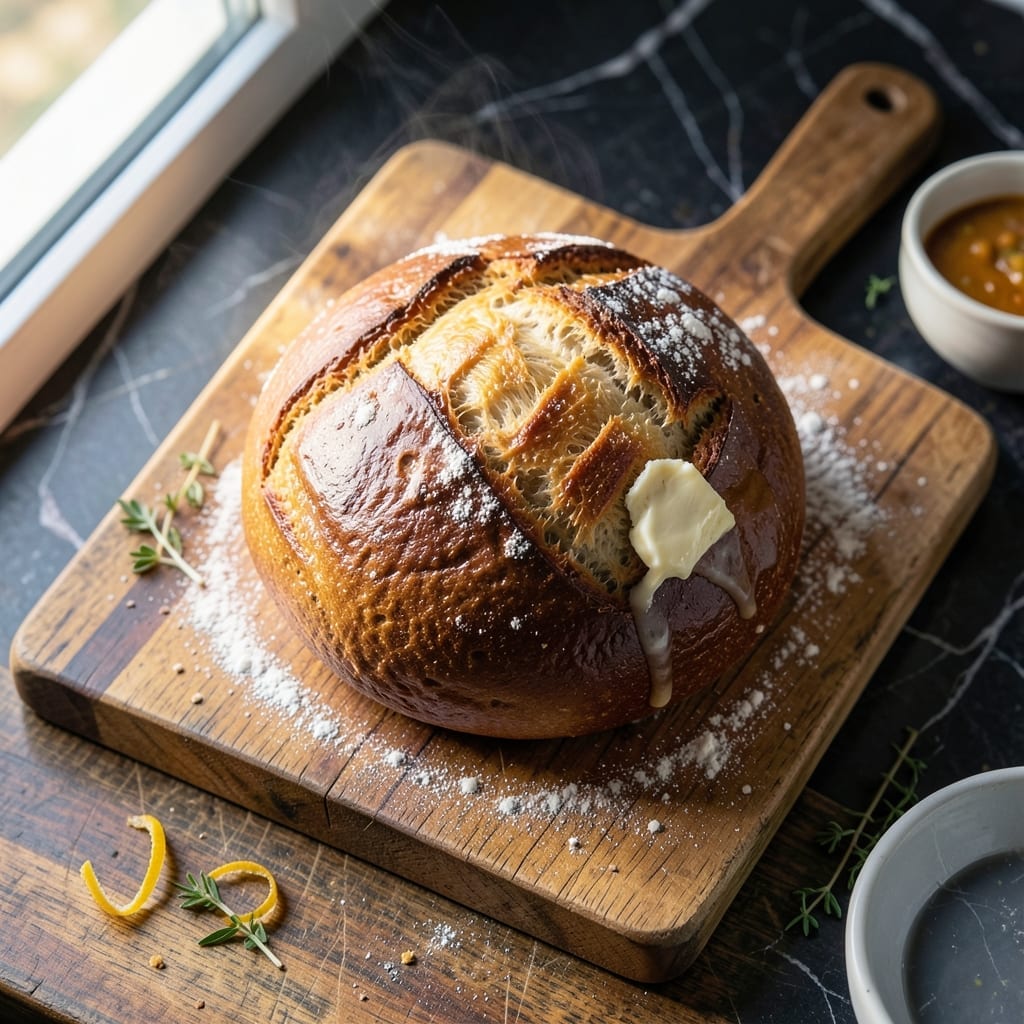
There’s nothing quite like the soft, slightly sweet crumb of authentic New Orleans bread for building the perfect po boy. This recipe recreates that iconic Leidenheimer style with a light, airy texture that still holds up to generous fillings.
I’ve tested numerous variations to capture that signature flavor and structure. The dough comes together with simple pantry staples, requiring just a few hours from mixing to baking. The result is a loaf with a thin, crisp crust giving way to pillowy softness inside.
What sets this version apart is the perfect balance of sweetness and density. It toasts beautifully without drying out, making it ideal for everything from fried shrimp po boys to French toast. The aroma while baking will transport you straight to the French Quarter.
Bake a batch today and experience the foundation of a true New Orleans culinary tradition.
Ingredients for Leidenheimer Bread
Simple pantry staples create that iconic New Orleans bread everyone loves for po boys.
| Ingredient | Amount | Notes |
|---|---|---|
| Bread Flour 🌾 | 4 ½ cups | Plus extra for dusting |
| Warm Water 💧 | 1 ¼ cups | 110-115°F for yeast activation |
| Granulated Sugar 🍚 | 2 tbsp | Balances the yeast flavor |
| Active Dry Yeast 🍞 | 2 ¼ tsp | Or one 0.25 oz packet |
| Unsalted Butter 🧈 | 3 tbsp | Melted and cooled |
| Large Egg 🥚 | 1 whole | For richness and color |
| Salt 🧂 | 1 ½ tsp | Fine sea salt preferred |
| Nonfat Dry Milk 🥛 | ¼ cup | Enhances softness and browning |
| Honey 🍯 | 1 tbsp | For subtle sweetness |
| Vegetable Shortening 🧈 | 2 tbsp | For flaky texture |
| Cornmeal 🌽 | 2 tbsp | For dusting pans |
| All-Purpose Flour 🌾 | ½ cup | For initial mixing |
The flour matters here. King Arthur Bread Flour gives the right protein content for that pillowy structure—Gold Medal works too if that’s what you’ve got. Yeast freshness is key: check the expiration date and store it in the freezer to extend its life. For the dry milk, Carnation is the most reliable brand, but any generic works fine (just don’t skip it).
No bread flour? All-purpose plus 1 tbsp vital wheat gluten per cup gets you close. Shortening can be swapped for more butter, but it changes the texture slightly. Out of honey? Maple syrup or agave work at a 1:1 ratio. The egg can be replaced with a flax egg for a vegan version, though the color won’t be as rich. Always proof your yeast first—if it doesn’t foam, start over.
Dough can rest in the fridge overnight for deeper flavor. Baked loaves stay fresh wrapped in plastic for 3-4 days, or freeze for up to 3 months. Slice before freezing for easy po boy assembly later.
Why You’ll Love This Recipe
- No-Fuss Dough: I love that this comes together with just flour, warm water, and yeast—no fancy techniques or hard-to-find ingredients.
- Buttery Richness: The unsalted butter gives it that melt-in-your-mouth softness, with just a hint of sweetness from the sugar.
- Sandwich Star: Honestly, it’s my go-to for po’boys, French toast, or even just toast with jam—so versatile.
- Budget Bake: A few pantry staples make two loaves, so I freeze one and save it for later.
Step-by-Step Instructions for Leidenheimer Bread
Here’s the method I use to get that signature New Orleans texture every time.
Step 1: Activate the Yeast and Start the Dough
In a stand mixer bowl, whisk together the 1.25 cups Warm Water, 2 tbsp Granulated Sugar, and 2.25 tsp Active Dry Yeast. Let it sit for 5-7 minutes until frothy—that’s how you know the yeast is alive and ready. The water should be between 110-115°F, or it won’t activate properly.
Once frothy, add the 0.5 cup All-Purpose Flour, 0.25 cup Nonfat Dry Milk, 1 tbsp Honey, 1 whole Large Egg, and 2 tbsp Vegetable Shortening. Mix on low with the dough hook for 1 minute until just combined. This initial mix gives the yeast a head start with some easy-to-process flour.
Step 2: Knead in the Bread Flour and Salt
Gradually add the 4.5 cups Bread Flour and 1.5 tsp Salt while mixing on low. Once all the flour is incorporated, increase the speed to medium and knead for 8-10 minutes. The dough should pull away from the sides but still stick slightly to the bottom—that’s the perfect consistency.
I’ve found that adding the salt with the flour prevents it from inhibiting yeast activity early on. The dough will be smooth and elastic when ready, springing back when you poke it gently with your finger.
Step 3: Incorporate the Butter and First Rise
With the mixer still running on medium, slowly add the 3 tbsp Unsalted Butter (melted and cooled to room temperature). Let it knead for another 2-3 minutes until fully incorporated. The butter makes the dough incredibly soft and gives it that signature Leidenheimer richness.
Transfer the dough to a lightly oiled bowl, cover with a damp towel, and let it rise in a warm place for 1 to 1.5 hours, or until doubled in size. I like to turn my oven on to its lowest setting for 2 minutes, then turn it off and place the bowl inside—that creates the perfect proofing environment.
Step 4: Shape, Second Rise, and Bake
Punch down the risen dough and divide it into 4 equal portions. Shape each into a tight round loaf. Lightly grease two 9×5-inch loaf pans and sprinkle each with 1 tbsp Cornmeal—this gives the bread its characteristic texture and prevents sticking.
Place two loaves in each pan (they’ll be snug) and let rise again for 45-60 minutes until the dough domes about 1 inch above the pan. Preheat your oven to 375°F. Bake for 25-30 minutes until the tops are golden brown and the internal temperature reaches 190°F. The loaves should sound hollow when tapped on the bottom.
Remove from the pans immediately and cool on a wire rack. Real talk: resist the urge to slice into it right away—the texture improves dramatically after it cools completely, usually about 1 hour.
Pro Tips For Making Leidenheimer Bread
- Warm the Water Right: Use a thermometer to hit 110-115°F—any hotter kills the yeast, any cooler slows the rise. I learned this the hard way after a few flat loaves.
- Butter Last, Not First: Mix the butter into the dough only after the flour is fully hydrated, or you’ll end up with a greasy, uneven mess.
- Skip the Rush: Let the dough rise until it’s doubled, even if it takes longer than expected—poking it too soon collapses the structure.
- Use Bread Flour Only: Swapping in all-purpose saves a trip to the store but ruins the texture. The higher protein in bread flour is non-negotiable for that chewy Leidenheimer bite.
Wine and Beer Pairings for leidenheimer bread
Light Beer Classics
New Orleans-style po boys deserve a crisp, light beer that won’t overpower the bread’s subtle sweetness. I always reach for Abita Amber or Dixie Beer—both Louisiana staples that complement without competing. Their mild maltiness enhances the bread’s richness. 🍺
Wheat Beer Pairings
For a slightly fruitier match, try a German hefeweizen like Paulaner or Weihenstephaner. The banana and clove notes play beautifully against the bread’s buttery crumb. The effervescence cleanses your palate between bites of a loaded po boy.
White Wine Options
A chilled Pinot Grigio from Italy offers citrusy brightness that cuts through the bread’s density. I prefer Santa Margherita for its consistent crispness. The wine’s acidity balances the richness of any fried seafood filling you might add.
Sparkling Wine
For celebrations, Prosecco is my go-to with Leidenheimer bread. The bubbles and slight sweetness enhance the bread’s texture. La Marca is widely available and pairs wonderfully with both the bread and classic po boy fillings. ✨
Dark Beer Contrast
If you prefer darker beers, a New Orleans-style porter like Abita Turbo Dog works surprisingly well. The coffee and chocolate notes contrast the bread’s sweetness while standing up to robust fillings like roast beef or fried shrimp.
Non-Alcoholic Choice
For a zero-proof option, sparkling apple cider offers the same effervescence and sweetness that complements the bread. I like Martinelli’s for its balanced flavor profile that won’t overpower your po boy creation.
Nutrition Facts
Frequently Asked Questions
Why include dry milk in the dough?
Dry milk adds richness and improves browning while keeping the crumb soft. It also extends freshness, so your loaves stay tender for days.
Can I make this without a stand mixer?
Yes, knead by hand for 12-15 minutes until smooth and elastic. The dough will be sticky, so use extra flour for dusting.
How do I know when it’s fully baked?
Check for a golden brown crust and internal temperature of 190°F. The loaf should sound hollow when tapped on the bottom.
What’s the best way to store leftovers?
Wrap cooled loaves tightly in plastic and keep at room temperature for 3-4 days. For longer storage, freeze slices for up to 3 months.

- BBQ Sausage Recipe Oven: Smoky Depth Without the Grill - September 28, 2026
- BBQ Chicken Bowl Recipe Rice: Smoky Sweetness Over Fluffy Grains - September 28, 2026
- Beef Cutlet Recipe Ideas: Crispy Breaded Patties With Bold Seasonings - September 28, 2026