
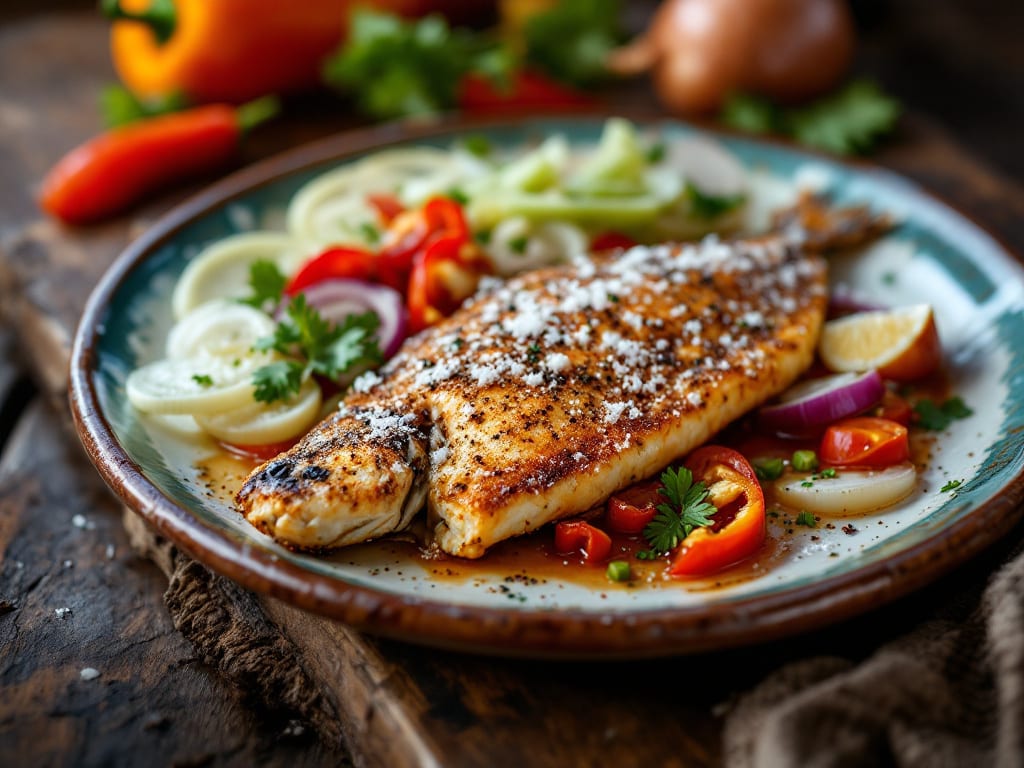
Creating the perfect Louisiana fish fry starts with this bold Cajun seasoning blend designed to deliver crispy, golden bites every time. The right spice mix transforms simple fish into a restaurant-worthy dish with deep, smoky flavors that cut through the richness.
I’ve perfected this blend over years of testing—balancing heat, earthiness, and just the right amount of sweetness to complement fried fish without overpowering it.
This dry seasoning blend skips the liquid ingredients, making it versatile enough to use on fish, shrimp, or even vegetables. The key is the smoked paprika, which gives that signature Cajun depth, while cayenne and black pepper provide the heat.
Garlic and onion powders add savory layers, and a touch of dried thyme ties everything together. Unlike store-bought blends, this one delivers consistent, restaurant-quality flavor without hidden fillers.
What makes this blend special is its precision—each spice plays a role in creating that perfect crust on fried fish. The seasoning clings to the fish as it cooks, forming a crispy, golden exterior that shatters with every bite.
It’s the secret weapon behind every great Louisiana fish fry, and now you can make it at home with just a few pantry staples.
Use this blend immediately for maximum freshness, or store it in an airtight container for up to six months. It’s perfect for fish fries, shrimp po’ boys, or even as a dry rub for grilled meats. Let’s get started—your next fish fry just got a whole lot bolder.
Ingredients for louisiana fish fry cajun seasoning
This Cajun seasoning blend transforms simple fish into crispy, golden Louisiana-style bites every time.
| Ingredient | Amount | Notes |
|---|---|---|
| Smoked Paprika 🌶️ | 3 tbsp | High-quality smoked variety |
| Garlic Powder 🧄 | 2 tsp | Freshly ground preferred |
| Onion Powder 🧅 | 2 tsp | Finely ground for even distribution |
| Dried Thyme 🌿 | 1 tsp | French thyme for authentic flavor |
| Cayenne Pepper 🔥 | 1 tsp | Adjust for desired heat level |
| Ground Black Pepper 🌶️ | 1 tsp | Freshly cracked for maximum flavor |
| Ground White Pepper 🌶️ | 1 tsp | For subtle, clean heat |
| Kosher Salt 🧂 | 1 tbsp | Diamond Crystal preferred |
| Dried Oregano 🍃 | 1 tsp | Mexican oregano for authentic taste |
| Ground Cumin 🌿 | ½ tsp | Toasted for deeper aroma |
The smoked paprika is non-negotiable—it’s the soul of this blend. Grab the highest-quality smoked variety you can find, like Penzeys or the bulk bins at Whole Foods. If you’re using regular paprika, toast it in a dry pan for 30 seconds to develop that smoky depth. The garlic and onion powders should be freshly ground—pre-ground spices lose potency fast. For the thyme, French thyme has a more robust flavor than regular, but any dried thyme works in a pinch. The cayenne pepper is where you control the heat—start with the full teaspoon if you love spice, or reduce to half if you prefer mild. And trust me, the white pepper makes a difference—it adds heat without the color, keeping that perfect golden crust.
No smoked paprika? Substitute with a mix of regular paprika and a pinch of liquid smoke—just don’t overdo it. Running low on Mexican oregano? Italian oregano works, but use half the amount—it’s stronger. The cumin can be swapped for ground coriander if you’re out, but the earthy note is key here. For heat, red pepper flakes at half the amount of cayenne will give you a similar kick. And if you’re using pre-ground spices, give them a quick toast in a dry pan to wake up their flavors. This blend is all about balance, so don’t rush—taste as you go!
Store this blend in an airtight glass jar in a cool, dark place—it’ll stay potent for up to six months. The spices are delicate, so keep it away from heat and light. For maximum freshness, use it within a month. I like to portion it into small jars or bags so I can grab just what I need for a quick fish fry. It’s perfect for fish, shrimp, or even grilled vegetables—just toss it on and let the magic happen. And if you make extra? Freeze it in ice cube trays for single-use portions.
Why You’ll Love This Recipe
- Pantry Magic: I swear, this mix lives in my spice rack year-round. Just toss smoked paprika, garlic powder, and a pinch of cayenne into a jar—no measuring cups, no mess. The dried thyme adds that earthy depth without extra steps, so I’m always ready for a quick Cajun kick.
- Deep Southern Soul: That first bite? Smoky, spicy, and just sweet enough from the paprika. The cayenne gives it heat, but the thyme and onion powder round it out—like a hug from Louisiana. It’s the kind of flavor that sticks with you (and makes you crave seconds).
- Tailgate to Tuesday: Serve it on fried catfish at a tailgate, sprinkle it on grilled shrimp for a weeknight dinner, or even toss it into scrambled eggs when I’m lazy. Honestly, I’ve used it on everything from roasted potatoes to deviled eggs, and it never lets me down.
- Spice Jar Goldmine: A little goes a long way—this mix costs pennies per serving and lasts forever. I make a big batch, split it into small jars, and keep one in my kitchen, one in my camping gear, and one for when my kids “forget” to clean out the spice drawer. Budget-friendly? More like flavor on a shoestring.
Step-by-step instructions for Louisiana fish fry Cajun seasoning
This bold spice blend transforms ordinary fish into crispy, golden masterpieces every time.
Measure and Combine Dry Ingredients Precisely
Start by gathering all your ingredients in a clean, dry bowl. The foundation of this blend is the 3 tablespoons of smoked paprika—this is what gives that signature Louisiana depth and color. Add the 2 teaspoons of garlic powder and 2 teaspoons of onion powder next, giving you that essential savory backbone. I always use freshly ground powders for maximum aroma and flavor impact.
Next, incorporate the 1 teaspoon of dried thyme and 1 teaspoon of dried oregano—these herbs provide that classic Cajun herbal complexity. The 1 teaspoon of ground black pepper and 1 teaspoon of ground white pepper work together to add both bold heat and subtle sophistication. Don’t skip the white pepper; it adds a clean, underlying warmth that balances the other spices perfectly.
Add the Heat and Salt Components
Now for the heat—carefully measure out the 1 teaspoon of cayenne pepper. This is where you can adjust to your preferred spice level. If you’re serving heat-sensitive guests, you might reduce it slightly, but for authentic Louisiana flavor, keep it full strength. The 1 tablespoon of kosher salt should be added last—this ensures even distribution throughout the blend.
Here’s a pro tip: I like to toast my spices lightly before blending. Spread the 0.5 teaspoon of ground cumin on a dry skillet over medium-low heat for 30 seconds until fragrant. This enhances its earthy aroma without burning it. Let it cool completely before adding to your mix—this prevents moisture from developing in your seasoning.
Whisk Until Uniformly Distributed
Using a wire whisk or small spatula, thoroughly combine all ingredients in the bowl. This isn’t just about mixing—you want to break up any clumps and ensure every grain of spice is coated with the others. Pay special attention to the smoked paprika; its fine particles tend to clump if not properly incorporated.
Work the spices for about 2-3 minutes until the mixture takes on a consistent color and texture. You should see a rich, reddish-brown blend with no visible streaks of individual spices. This uniform distribution is what guarantees even flavor in every bite of your crispy fish. For best results, store your finished blend in an airtight container away from light and moisture.
Test and Adjust for Perfect Crispiness
Before using your seasoning, I always recommend testing it on a small batch of fish. Lightly coat a piece of white fish fillet with the blend and pan-fry it in hot oil until the exterior reaches golden brown and crispy. The seasoning should create a beautiful crust while maintaining moisture inside.
If the crust isn’t forming properly, you might need to add a bit more smoked paprika or increase the salt slightly. The key to crispy fish is that perfect balance of moisture and seasoning—this blend delivers both. Once you’ve perfected your test batch, you’re ready to create restaurant-quality fish fry masterpieces that will have everyone asking for seconds.
Pro Tips For Making Louisiana Fish Fry Cajun Seasoning
- TOAST THE SPICES: I learned this the hard way—skipping this step means your smoked paprika and thyme will just sit there, flavorless. Heat them in a dry pan for 30 seconds until fragrant; that’s when the oils activate and the aroma explodes. (Yes, even if you’re impatient like me.)
- SIFT THE CAYENNE: Dumping cayenne pepper straight from the jar? You’re asking for clumps. Sift it through a fine-mesh sieve first—this recipe isn’t a stew, it’s a delicate balance of heat. A quick shake over the bowl ensures even distribution without bitter pockets.
- COOL BEFORE MIXING: Hot spices and garlic powder are a recipe for steam, which dulls the sharpness. Let your smoked paprika and cayenne cool completely before combining—otherwise, you’ll end up with a weak, muddy seasoning. Five minutes on the counter does the trick.
- DOUBLE-CHECK THE RATIO: Cajun seasoning is all about the proportion of cayenne to paprika. If you eyeball it, you’ll either get a ghost of flavor or a mouth on fire. Weigh the spices (1 part cayenne to 3 parts paprika is a safe start) or use a kitchen scale—trust me, your taste buds will notice.
Pro cooking tips for this dish
Perfect Crust Formation
For that signature golden, shatteringly crisp exterior on your fried fish, coat the fillets in a light cornstarch slurry (mix 1 part cornstarch with 2 parts water) before applying the Cajun seasoning.
This creates a dual-layer crust—the cornstarch forms the initial crispy barrier, while the seasoning clings to it like a flavor bomb. I use Bob’s Red Mill cornstarch because it’s ultra-fine and creates a smoother texture. 🌟
Oil Temperature Control
Your oil needs to be at 350-375°F—any lower and you’ll get greasy fish, any higher and it burns before cooking through. I use a deep-fat thermometer (like the Thermoworks Thermapen) to monitor temperature.
For best results, maintain oil between 360-365°F—this range gives you that perfect golden brown in 3-4 minutes per side. Use peanut oil for its high smoke point and neutral flavor.
Double-Dredging Technique
For maximum crispiness and adherence, use the double-dredge method: First coat fish in seasoning, then dip in cornstarch slurry, then back into seasoning. This creates a thicker, more uniform crust that won’t flake off.
I like to press the seasoning firmly onto the fish with my fingers to ensure even coverage. The second coating locks in the spices and prevents moisture from escaping during frying. ✨
Resting Before Frying
Let your seasoned fish rest for 10-15 minutes before frying—this allows the spices to adhere better and prevents them from falling off during cooking. Place fish on a wire rack over a baking sheet to prevent sogginess.
This step is especially important if you’re using thick-cut fillets like red snapper or mahi-mahi. 💡
Heat Management During Frying
Watch your oil temperature like a hawk—it drops 5-10°F every time you add fish. I fry 2-3 pieces at a time to maintain consistency. If the oil gets too cool, your fish will absorb oil instead of crisping.
Keep a small pot of hot water nearby to reheat oil between batches if needed. A cast-iron skillet works great for smaller batches, but a deep fryer is ideal for larger servings. 🔥
Post-Fry Finishing Touches
After frying, transfer fish to a wire rack (not paper towels) to drain excess oil for 2-3 minutes. This keeps the crust crispy. For extra flavor, sprinkle with freshly cracked black pepper and a pinch of smoked salt right before serving.
I also like to serve with lemon wedges to cut through the richness and highlight the Cajun flavors. 🍋
Nutrition facts
Frequently asked questions
Can I use this Cajun seasoning on other proteins besides fish?
This bold blend works beautifully on shrimp, chicken, or even pork chops. For shrimp, use it as a dry rub before grilling or frying. On chicken, mix with olive oil for a flavorful marinade. Just reduce the cayenne slightly for milder meats—½ teaspoon instead of the full amount. The smoked paprika and herbs shine on all proteins!
How do I adjust the heat level for kids or sensitive eaters?
Simply reduce the cayenne pepper to ½ teaspoon or omit it entirely. For extra mildness, swap the cayenne with ½ teaspoon of sweet paprika instead. The blend will still deliver that signature Cajun flavor without the heat. Always taste as you go—you can always add more cayenne later if needed.
What’s the best way to store this seasoning blend?
Keep it in an airtight glass jar in a cool, dark place for up to 6 months. For longer storage, freeze portions in ice cube trays—just thaw before using. Avoid plastic containers, as they can trap moisture and dull the spices. The fresher the blend, the more vibrant the flavor on your fried fish.
Can I make this seasoning without smoked paprika?
Yes, but the flavor won’t be authentic. Mix 2 tablespoons regular paprika + ½ teaspoon liquid smoke for a substitute. Alternatively, use 1 tablespoon paprika + 1 teaspoon chipotle powder for smoky depth. The smoked paprika is key for that true Louisiana taste—don’t skip it if possible!
How much seasoning should I use per pound of fish?
For crispy, well-coated fish, use 1-2 teaspoons of this blend per pound. Pat the fish dry first, then press the seasoning firmly onto both sides. For extra crunch, double-dredge with cornstarch slurry between coatings. The exact amount depends on your fish’s thickness—thicker cuts need more seasoning to penetrate.

- Applebee’s Lemon Chicken with Quinoa Recipe: Bright Citrus Glaze and Fluffy Quinoa Fusion - November 29, 2026
- Oven-Dried Bananas Recipe: Caramelized Sweetness for Dessert or Breakfast - November 29, 2026
- Best Birthday Cake Recipe: Moist Layers and Vanilla Frosting Magic - November 29, 2026