
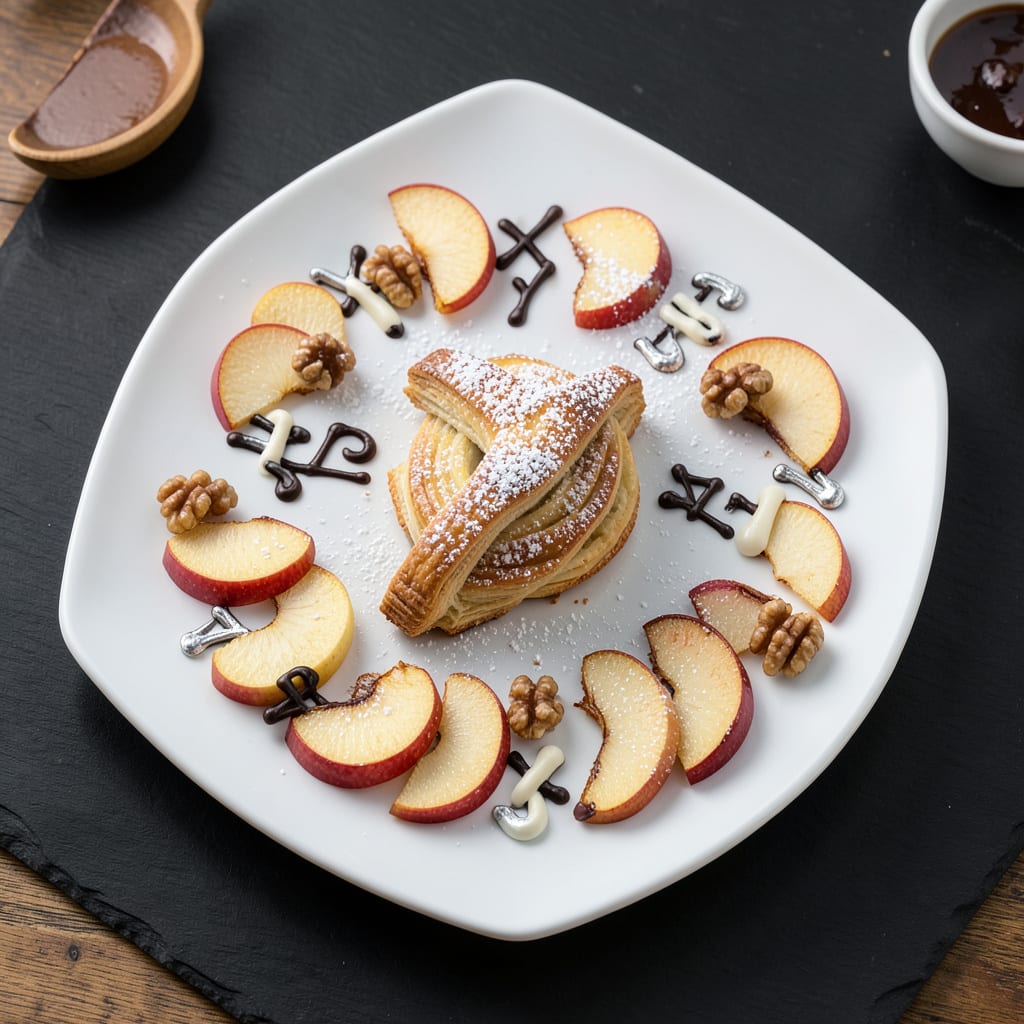
A math recipe uses precise weight measurements (grams/ounces) instead of volume (cups/tablespoons) for consistent baking results. It eliminates guesswork by relying on ratios and scales rather than measuring cups.
This approach transforms baking from an art into a science by ensuring every ingredient contributes exactly as intended. 🔥 I’ve found that professional bakers swear by this method because it accounts for variables like humidity and ingredient density that volume measurements can’t control. For example, a cup of flour can vary by 30 grams depending on how it’s scooped, while 100 grams is always 100 grams—no matter what. The precision also makes scaling recipes up or down effortless, which is why it’s become the gold standard in professional kitchens and serious home baking.
💡 In This Article
- How Weight-Based Recipes Improve Baking Accuracy
- Essential Tools for Math Recipe Baking Success
How Weight-Based Recipes Improve Baking Accuracy
The magic of baking by weight lies in its ability to eliminate the biggest variable in traditional recipes: ingredient density. A cup of all-purpose flour can weigh anywhere from 120-150 grams depending on how it’s scooped, humidity levels, or even brand differences. This variation throws off the delicate balance of chemical reactions in baking.
When you measure by weight, you’re working with absolute values—100 grams of flour is always 100 grams, whether it’s packed tightly or fluffed up. This consistency ensures your cookies spread evenly and your cakes rise properly every time. 🔥
Chemical reactions in baking are incredibly sensitive to ratios. The gluten development in bread, the leavening action of baking powder, and the emulsification of fats all depend on precise ingredient proportions.
Volume measurements can’t account for how 1 cup of brown sugar (which packs more tightly) contains 20% more sugar by weight than 1 cup of granulated sugar.
Weight measurements solve this by giving you exact molecular ratios—critical for recipes where 0.5% difference in hydration can mean the difference between a crispy baguette and a dense loaf. The science is clear: baking is chemistry, and chemistry requires precise measurements. ✨
Moisture control becomes effortless with weight-based recipes. Ingredients like honey, molasses, or even eggs can vary significantly in volume based on temperature and humidity. A large egg might range from 50-60 grams, but your recipe needs to know exactly how much liquid it’s working with.
By weighing these ingredients, you maintain consistent hydration levels in your batter or dough. This is particularly crucial for delicate pastries like macarons or puff pastry, where even slight variations in moisture can cause spreading, cracking, or poor rise. Professional bakers know this precision is non-negotiable for reliable results. 💫
The benefits extend beyond consistency to practical efficiency. Scaling recipes becomes mathematical rather than guesswork—need to double a cake recipe? Simply multiply all weights by 2. Converting between metric and imperial? Digital scales handle this instantly.
This system also reduces waste, as you can weigh ingredients directly into your mixing bowl rather than using multiple measuring cups. The environmental impact adds up: fewer dishes to wash and less food waste from failed batches. For serious bakers, this method isn’t just better—it’s the only way to achieve true reproducibility. ⚡
Consider how professional kitchens operate: they never use measuring cups for critical recipes. A bakery’s signature sourdough relies on the same 75% hydration ratio (flour to water by weight) every single day, regardless of who’s mixing the dough. This is why artisanal bakeries can maintain consistent quality across thousands of loaves.
The same principle applies to your home kitchen—whether you’re making 3 cookies or 300, the math ensures identical results. The precision also makes troubleshooting easier: if your cake didn’t rise, you can confidently rule out measurement errors as the cause. 🌟
Temperature and altitude adjustments become more manageable with weight-based recipes. At high altitudes, you might reduce baking powder by 25%—easy to calculate when working with weights. The same goes for adjusting sugar levels or fat content for dietary needs.
This flexibility is why pastry chefs prefer this method: it turns baking from an unpredictable art into a reliable science. When you understand that 1 gram of baking soda will reliably leaven 120 grams of flour, you’ve unlocked the secret to foolproof baking. The numbers don’t lie—your taste buds will notice the difference immediately. 💛

- BBQ Sausage Recipe Oven: Smoky Depth Without the Grill - September 28, 2026
- BBQ Chicken Bowl Recipe Rice: Smoky Sweetness Over Fluffy Grains - September 28, 2026
- Beef Cutlet Recipe Ideas: Crispy Breaded Patties With Bold Seasonings - September 28, 2026