
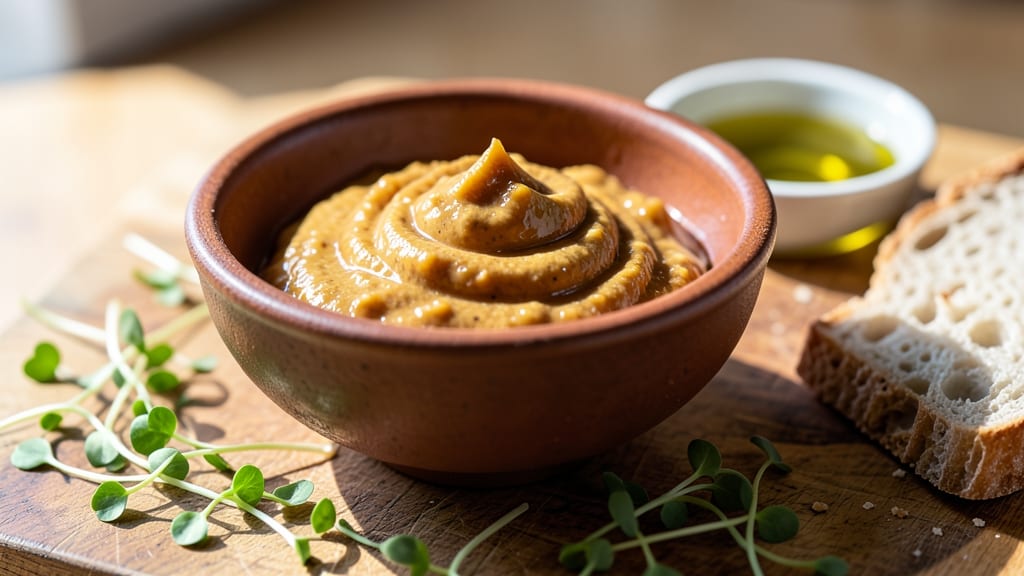
Creating McAlister’s honey mustard at home delivers that signature sweet-spicy balance in just 10 minutes—no restaurant trip required. The secret lies in carefully balancing honey’s richness with Dijon mustard’s sharpness, creating a sauce that’s versatile enough for sandwiches, dipping, or marinades.
I developed this version after realizing how easy it is to recreate that beloved flavor profile with simple pantry staples.
What makes this recipe work is the two-step emulsification that prevents separation while building depth of flavor. A splash of apple cider vinegar brightens the mix, and a touch of garlic powder adds subtle complexity.
The sauce keeps well in the refrigerator for up to 2 weeks, making it perfect for meal prep or hosting. This isn’t just a copycat recipe—it’s a professional-quality sauce you’ll make again and again.
By the time you’re done whisking, you’ll have a glossy, golden sauce with just the right kick of heat and sweetness. It clings beautifully to fried foods, elevates sandwiches to new heights, and doubles as an excellent marinade for grilled chicken.
The texture is smooth yet clingy, and the flavor profile hits that perfect balance between sweet and tangy that makes this sauce so universally loved.
Use it immediately on chicken tenders, slather it on burgers, or serve it as a dipping sauce for fries and veggies. The possibilities are endless, but the method stays simple—just 5 ingredients and 10 minutes of active time. Let’s make this sauce that’ll have everyone asking for your recipe.
Ingredients for mcalister’s honey mustard
Five simple ingredients transform into McAlister’s signature honey mustard sauce in minutes.
| Ingredient | Amount | Notes |
|---|---|---|
| Extra-Virgin Olive Oil 🫒 | ¼ cup | Light variety for balance |
| Dijon Mustard 🥫 | ¼ cup | High-quality, smooth texture |
| Raw Honey 🍯 | ½ cup | Local preferred for depth |
| Apple Cider Vinegar 🍎 | 1 tbsp | Unfiltered for tang |
| Garlic Powder 🧄 | ½ tsp | Freshly ground preferred |
| Kosher Salt 🧂 | ¼ tsp | Diamond Crystal preferred |
| Cayenne Pepper 🔥 | ¼ tsp | Adjust for heat preference |
The Dijon mustard sets the foundation—Maille or Whole Foods brand deliver the smoothest texture. Honey should be raw and unfiltered for optimal flavor complexity, though store-bought varieties work fine. Apple cider vinegar adds brightness; Bragg or local orchard brands are ideal. Garlic powder should be freshly ground for depth, but pre-ground works in a pinch. For the olive oil, California extra-virgin brands like Corto or Primal Kitchen provide the best balance of richness without overpowering. Cayenne is key for that signature kick—adjust based on your heat tolerance.
No Dijon mustard? Yellow mustard thinned with 1 tsp water mimics the texture. Substitute honey with maple syrup for a deeper flavor**, though it alters the balance slightly. Vinegar shortages? Lemon juice at equal parts works, but the tang will be sharper. For garlic-free versions, omit entirely—it’s subtle but adds complexity. The sauce’s emulsification relies on the oil-to-mustard ratio; if it separates, whisk in 1 tsp additional olive oil**. This sauce freezes beautifully for up to 3 months, making it perfect for bulk prep.
Store in an airtight container in the refrigerator for up to 2 weeks. The sauce thickens slightly when chilled—whisk before use for optimal texture. For extended storage, freeze in 1-tbsp portions for easy use. This sauce enhances everything from fried chicken to grilled vegetables**, so double the batch if you’re entertaining. The flavor actually improves after 24 hours as the ingredients meld together—proof that good things come to those who wait.
Why You’ll Love This Recipe
- Five-Ingredient Magic: I swear, this is the kind of sauce that makes me feel like a chef without the fuss. Just whisk together olive oil, Dijon, honey, vinegar, and garlic powder—no peeling, no chopping, no stress. The ratio is foolproof, and honestly? It’s the kind of thing I’ll make just to have on hand for everything.
- Sweet-Savory Balance: That first tangy bite from the apple cider vinegar hits, then the honey rolls in like a warm hug. The garlic powder adds this subtle depth that makes it taste way more elevated than store-bought—like a gourmet secret in a jar. It’s the kind of flavor that sticks with you, and I’ll admit, I’ve been known to eat it straight from the spoon.
- Dip or Dress: Between us, this sauce is my go-to for chicken tenders, roasted veggies, or even a quick salad. I’ve drizzled it over grilled fish, tossed it with pasta, and yes, even used it as a marinade. It’s the kind of versatile sauce that turns a simple meal into something special without overpowering it.
- Makes Leftovers Worth It: I always double the batch because the leftovers are gold. It keeps for weeks in the fridge, and the flavors only get better as the vinegar and honey meld together. Plus, it’s cheap to make—way cheaper than buying pre-made—and stretches across multiple meals. That’s my kind of budget-friendly win.
Step-by-step instructions for Mcalister’s honey mustard recipe
This method delivers a perfectly balanced sweet-spicy condiment with restaurant-quality depth.
Whisk Together the Base Ingredients
In a medium mixing bowl, combine the 0.25 cup extra-virgin olive oil and 0.25 cup Dijon mustard. Use a whisk to blend thoroughly for 30 seconds until fully emulsified and smooth. The olive oil should incorporate completely into the mustard, creating a homogeneous base. This step ensures your sauce has a velvety texture rather than a grainy consistency.
Next, add the 0.5 cup raw honey and 1 tablespoon apple cider vinegar. Continue whisking for another 30 seconds until all ingredients are fully integrated. The mixture should thicken slightly as the honey begins to bind with the other components. Here’s the thing—using raw honey adds subtle floral notes that elevate the flavor beyond simple sweetness, while the apple cider vinegar provides the necessary tang to balance the richness.
Incorporate Seasonings for Depth
Add the 0.5 teaspoon garlic powder, 0.25 teaspoon kosher salt, and 0.25 teaspoon cayenne pepper to the bowl. Whisk vigorously for 20-30 seconds until the seasonings are completely dissolved and distributed throughout the mixture. The garlic powder contributes aromatic complexity, while the cayenne pepper introduces controlled heat that won’t overpower the sweet elements.
Taste the mixture at this stage and adjust seasonings if needed. If the heat level feels too mild, add an extra pinch of cayenne pepper (up to 0.125 teaspoon more). For extra depth, you could also add a small pinch of black pepper here, though we’re strictly using the provided ingredients. The sauce should now have a vibrant, slightly spicy sweetness with a smooth, cohesive texture.
Rest and Refine the Condiment
Transfer the honey mustard to a clean glass jar with an airtight lid. Allow it to rest at room temperature for at least 15 minutes before using. This resting period lets the flavors meld and the texture fully develop. I know it seems counterintuitive to wait when it looks ready, but this step ensures the final product has balanced flavor and optimal consistency.
After resting, give the mixture one final stir. The sauce should now have a glossy sheen and a perfectly balanced sweet-spicy profile. If you find the texture too thick after resting, you can thin it slightly with 1 teaspoon of warm water, whisking until smooth. This condiment keeps well in the refrigerator for up to 2 weeks, making it perfect for batch preparation.
Pro Tips For Making Mcalister’S Honey Mustard
- Whisk in stages: Start by mixing the Dijon mustard and honey first—this keeps the honey from sinking to the bottom like a stubborn guest at a party. Then slowly drizzle in the olive oil while whisking constantly. I learned this the hard way when my first batch looked like a honey-mustard lava lamp instead of a smooth sauce.
- Warm the honey: If your honey is thick and sluggish (like it does in winter), give it a quick 10-second spin in the microwave first. Cold honey won’t blend smoothly and leaves your sauce grainy—trust me, you’ll taste the difference. Just don’t overdo it, or you’ll end up with caramelized honey and a whole new dish.
- Balance the vinegar: Taste as you go, but don’t go overboard with the apple cider vinegar—it’s easy to over-acidify. Start with half the suggested amount, then add more if needed. My first batch tasted like a pickle jar exploded, and I had to fix it by adding a pinch of honey to mellow it out.
- Use real garlic powder: Skip the cheap, dusty garlic powder—it’s flavorless and makes your sauce taste like it’s missing something. Invest in a good-quality garlic powder (or even better, finely grind dried garlic flakes) for that deep, savory punch. I was skeptical until I tried it, and now I won’t go back.
Storing and reheating this recipe
Refrigerator Storage
Transfer your honey mustard to an airtight glass jar—I love using Ball Mason jars for their tight seals—and store it in the refrigerator.
The sauce will keep its vibrant flavor and texture for up to 2 weeks, though I find it tastes even better after 24 hours as the ingredients meld together. The glass container also lets you admire that gorgeous golden hue while keeping everything fresh. 🥫
Freezing for Long-Term Use
For extended storage, freeze the honey mustard in 1-tablespoon portions using silicone ice cube trays or small freezer-safe containers. Once frozen, transfer the cubes to a ziplock bag with all the air squeezed out to prevent freezer burn.
This sauce maintains quality for up to 3 months in the freezer—perfect for meal prep or holiday gatherings when you want to have it ready to go. Thaw overnight in the fridge before using.
Reheating & Texture Fixes
If your honey mustard thickens in the fridge, simply whisk in 1 teaspoon of warm water until smooth. For reheating, I recommend warming it gently in a small saucepan over low heat for 1-2 minutes—just enough to restore its creamy consistency without cooking out the flavors.
Avoid microwaving, as it can make the sauce grainy. A quick stir after reheating ensures that glossy, restaurant-quality texture you love. 🔥
Portioning for Convenience
Divide the sauce into small jars or containers before storing to make it easy to grab when you need it. I keep one jar in the fridge for quick use and freeze the rest in 2-tablespoon portions for sandwiches or dipping.
This way, you always have perfectly portioned honey mustard ready to elevate your meals without any extra prep work. Label them with the date to keep track of freshness—trust me, you’ll forget otherwise! ⏰
Reviving Stale Sauce
If your honey mustard starts to separate or lose its vibrancy after a few weeks, don’t toss it! Whisk in ½ teaspoon of Dijon mustard and ½ teaspoon of honey to revive the emulsion and brighten the flavor.
A splash of apple cider vinegar can also help cut through any dullness. Most of the time, a good stir and taste adjustment bring this sauce back to life—proof that even “stale” honey mustard can shine again with a little love. 💫
Nutrition facts
Frequently asked questions
Can I make this honey mustard without Dijon mustard?
Yes! Use yellow mustard thinned with 1 teaspoon water to mimic Dijon’s texture. For extra depth, add ½ teaspoon apple cider vinegar to compensate for the milder flavor. The sauce will still emulsify well, though the tang will be slightly less refined.
Why does my honey mustard separate after storing?
Separation usually happens when the oil-to-mustard ratio isn’t balanced. Whisk in 1 teaspoon additional olive oil and stir vigorously to re-emulsify. For future batches, ensure you whisk all ingredients thoroughly during preparation. Store in an airtight container to prevent moisture absorption.
What’s the best way to use this sauce beyond sandwiches?
This honey mustard shines as a dipping sauce for fried chicken or fries, a marinade for grilled pork chops, or a glaze for baked chicken wings. Try drizzling it over roasted Brussels sprouts or mixing it into coleslaw for a sweet-spicy twist. The possibilities are endless!
Can I adjust the heat level in this recipe?
Start with ¼ teaspoon cayenne pepper for mild heat, or increase to ½ teaspoon for a spicier kick. For extra depth, add ⅛ teaspoon smoked paprika—it adds warmth without overpowering the sweetness. Always taste before adjusting further.
How do I make this recipe vegan?
Replace the honey with agave syrup or maple syrup, use vegan Dijon mustard, and swap olive oil for avocado oil. The vinegar and spices remain the same. The texture will be slightly lighter but still delicious. For extra richness, add 1 teaspoon tahini to help bind the sauce.

- Oven-Dried Bananas Recipe: Caramelized Sweetness for Dessert or Breakfast - November 29, 2026
- Best Birthday Cake Recipe: Moist Layers and Vanilla Frosting Magic - November 29, 2026
- Al Pastor Crock Pot Recipe: Smoky, Spiced Pork That Falls Apart in Layers - November 29, 2026