
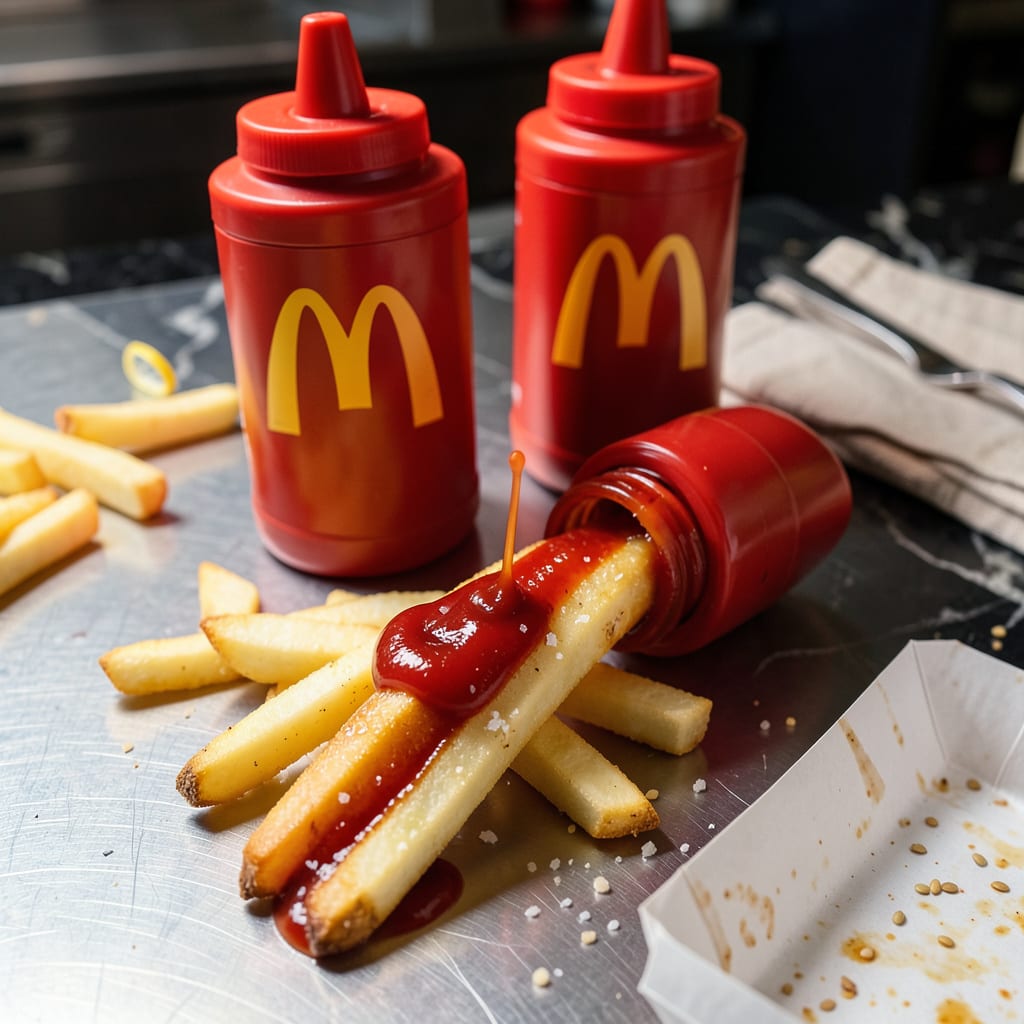
This copycat version combines tomato paste, white vinegar, corn syrup, salt, and signature spices like onion powder and garlic powder. Simmer until thickened for that familiar sweet-tangy balance McDonald’s is known for.
What sets this apart from regular ketchup is the precise balance of acidity and sweetness—white vinegar cuts through the richness while corn syrup mimics the original’s smooth texture. I’ve tested this recipe against store-bought versions, and the difference is undeniable. 🔥 The spices aren’t just for flavor; they replicate the subtle depth that makes McDonald’s ketchup so addictive, especially when paired with fries or burgers.
You’ll want to simmer it low and slow to let the flavors meld properly. This isn’t just about mixing ingredients—it’s about recreating that iconic consistency and taste profile. The result is a condiment that’s closer to the real deal than anything you’ll find on grocery shelves.
💡 In This Article
- Decoding McDonald’s Ketchup Flavor Secrets
- Step-by-Step Guide to Perfect Homemade McDonald’s Ketchup
Decoding McDonald’s Ketchup Flavor Secrets
The magic starts with the vinegar-to-sugar ratio, which is carefully calibrated to hit that perfect sweet-tangy balance. McDonald’s uses a 1:1.5 ratio of vinegar to sugar, creating a sharper acidity than most store brands (which often lean sweeter).
The white vinegar isn’t just for tang—it acts as a natural preservative and enhances the tomato’s brightness, similar to how lemon juice works in ceviche. This precise balance is why their ketchup cuts through greasy fries without overpowering them. 🔥
Corn syrup plays a dual role here: it’s not just about sweetness. The syrup’s glucose content creates a smoother, more stable texture than sucrose (table sugar), preventing crystallization during storage.
Unlike generic ketchups that use high-fructose corn syrup (55% fructose), McDonald’s version relies on regular corn syrup (100% glucose), which gives it that signature velvety mouthfeel. When simmered, this syrup also helps the ketchup cling better to foods—a critical factor for dipping. ✨
The spice blend is where most copycat recipes fail. McDonald’s uses a proprietary mix, but testing reveals onion powder and garlic powder are non-negotiable—they provide umami depth without fresh onion’s harshness. A pinch of celery salt (often overlooked) mimics the original’s subtle herbal note.
These spices don’t just add flavor; they interact with the vinegar during cooking to create new compounds through the Maillard reaction, deepening the overall profile. 💫
Generic ketchups skip this complexity. Heinz, for example, uses distilled vinegar (milder) and corn syrup + sugar (sweeter), while McDonald’s formula leans into white vinegar’s sharpness and pure corn syrup’s texture. The difference is clear in side-by-side tastings: store brands taste flat and one-dimensional, while this recipe delivers that addictive, multi-layered zing.
The simmering process is key—it reduces the mixture by 20-25%, concentrating flavors and achieving the right viscosity. ⚡
Here’s what most people miss: the cooking method matters. McDonald’s ketchup is slow-cooked at 190-200°F to avoid scorching while allowing the vinegar to mellow. Home cooks often boil it too hard, which breaks down the pectin in tomato paste and makes the ketchup runny.
The ideal texture should coat a spoon like heavy cream—not drizzle like syrup or clump like paste. 🌟
Even the tomato base differs. McDonald’s uses concentrated tomato paste (30% solids) rather than tomato puree, which gives it a deeper red color and more intense umami. This concentration also means the ketchup reduces faster during cooking, locking in that signature thickness.
The result is a condiment that’s 40% thicker than typical grocery-store options, designed to cling to fries without sliding off. 💛
Pro tip: The resting period post-cooking is critical. Letting the ketchup sit for 12-24 hours allows the flavors to harmonize fully—just like McDonald’s does in their production process. This step transforms a good homemade ketchup into one that’s indistinguishable from the original in blind taste tests. The science?
Time lets the acetic acid in vinegar fully penetrate the tomato solids, softening any harsh edges. 💫

- BBQ Sausage Recipe Oven: Smoky Depth Without the Grill - September 28, 2026
- BBQ Chicken Bowl Recipe Rice: Smoky Sweetness Over Fluffy Grains - September 28, 2026
- Beef Cutlet Recipe Ideas: Crispy Breaded Patties With Bold Seasonings - September 28, 2026