
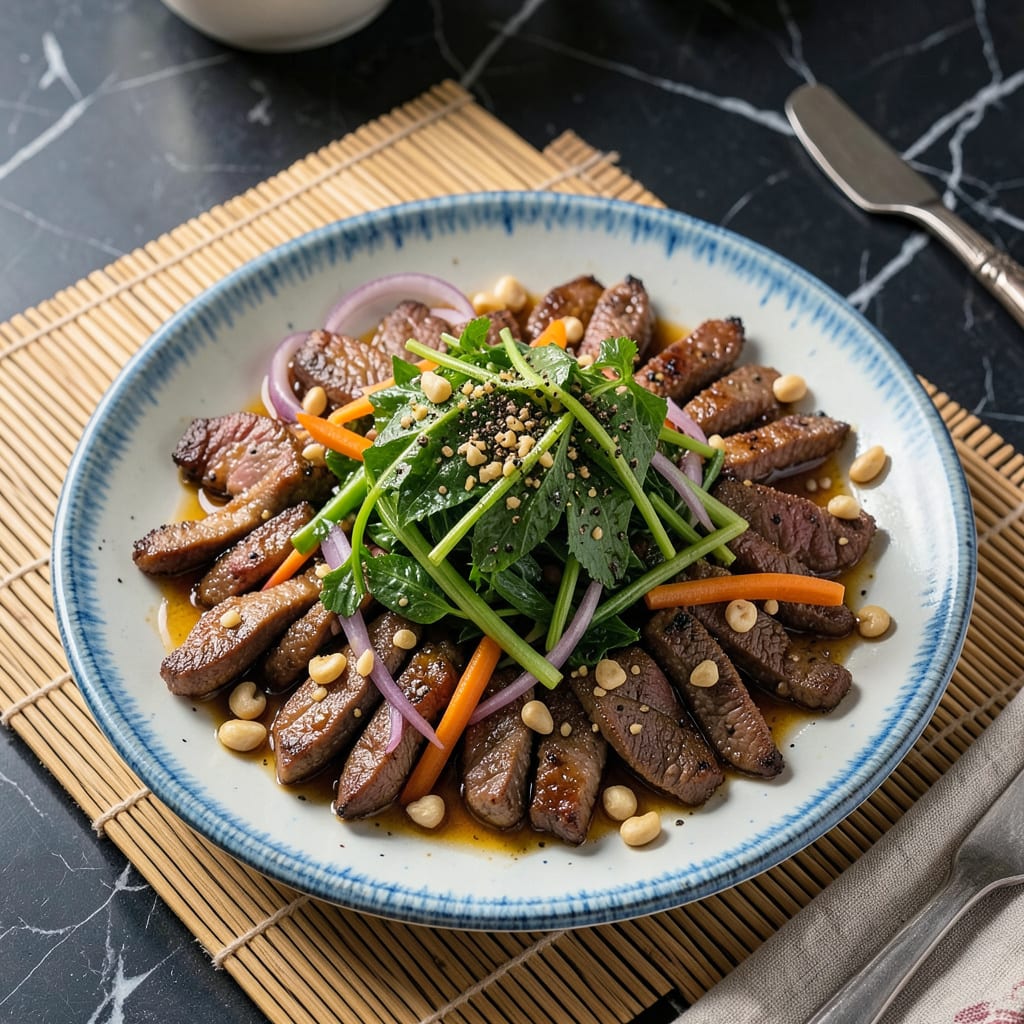
Ngô om is a fragrant Vietnamese stir-fry featuring tender corn kernels cooked with savory pork belly, shrimp, or mushrooms in a light coconut milk broth. The dish balances sweet, salty, and umami flavors with fresh herbs like dill or scallions for a comforting, home-style meal.
This dish captures the essence of Vietnamese home cooking by transforming simple ingredients into something extraordinary. The secret lies in how the coconut milk mellows the corn’s natural sweetness while fish sauce adds that unmistakable umami punch. 🔥 I love how the protein choices—whether it’s rich pork belly or delicate shrimp—absorb the aromatic broth, creating layers of flavor in every bite. What truly elevates it are the finishing herbs, which add brightness and contrast to the creamy base.
What makes this recipe special is its versatility and approachability. You can adjust the protein based on preference or dietary needs, and the technique is straightforward enough for weeknight cooking. The balance of textures—crisp-tender corn, succulent protein, and silky broth—makes each mouthful satisfying. ✨ It’s the kind of dish that feels both rustic and sophisticated, perfect for family meals or impressing guests.
💡 In This Article
- Key Ingredients That Define Authentic Ngô Om Flavor
- Step-by-Step Techniques for Perfect Ngô Om Texture
Key Ingredients That Define Authentic Ngô Om Flavor
The magic of this dish starts with fresh, sweet corn—ideally young cobs where the kernels burst with natural sugars. When cooked, these sugars caramelize slightly at medium-high heat, creating a subtle depth that contrasts beautifully with the savory elements.
The coconut milk acts as a flavor bridge, its 12-15% fat content rounding out the corn’s sweetness while adding a velvety mouthfeel that’s lighter than heavy cream but richer than regular milk. ✨
Traditional proteins like pork belly (with its 30% fat marbling) or shrimp (1-2 minutes cooking time) are chosen for their ability to absorb the aromatic broth while contributing their own distinct umami. Pork belly renders fat during cooking, creating tiny flavor pockets in the sauce, while shrimp adds a delicate oceanic sweetness.
For vegetarian versions, king oyster mushrooms provide a meaty texture that holds up to stir-frying without turning mushy. 🔥
The herb component is non-negotiable for authentic flavor. Vietnamese dill (rau răm) has a sharper, more peppery profile than regular dill, with citrusy undertones that cut through the richness. When heated briefly, its volatile oils release aromas that make the dish smell as good as it tastes.
Regular dill works in a pinch, but the flavor will be milder—use 3 times the amount to compensate. The herbs are always added last to preserve their fresh, bright character.
Fish sauce is the umami powerhouse here, but the quality matters immensely. Look for first-press, 40°N fish sauce (like Red Boat) with no additives—its complex fermentation process creates glutamates that amplify all other flavors.
A mere 1-2 tablespoons transforms the dish, adding saltiness plus hundreds of aromatic compounds that make the broth taste deeply savory without being overpowering. The sauce should taste balanced: sweet from corn, creamy from coconut, salty-umami from fish sauce, with herbs providing the finishing high note. 🌟
What most home cooks overlook is the importance of sugar balance. The corn provides natural sweetness, but a pinch of palm sugar (5-7g) helps harmonize the flavors, especially if your corn isn’t perfectly ripe. This isn’t about making the dish sweet—it’s about creating a foundation where all flavors can shine.
The sugar also helps stabilize the coconut milk proteins, preventing curdling when the acidic fish sauce is added.
Consider these flavor layering opportunities:
- Toasted rice powder: A 1 teaspoon sprinkle adds nutty depth (common in Northern Vietnamese versions)
- Lemongrass: Bruised stalks infused in the broth contribute citrusy aroma without overpowering
- Chili heat: Fresh Thai bird’s eye chilies (1-2 finely chopped) add brightness and subtle heat
The genius of Ngô Om lies in how these ingredients interact during cooking. The corn releases starch as it cooks, which thickens the coconut milk slightly, while the proteins absorb and reflect the complex broth flavors.
It’s a dish that tastes far more complicated than its ingredient list suggests—proof that Vietnamese cuisine excels at creating maximum flavor with minimal components. 💫

- BBQ Sausage Recipe Oven: Smoky Depth Without the Grill - September 28, 2026
- BBQ Chicken Bowl Recipe Rice: Smoky Sweetness Over Fluffy Grains - September 28, 2026
- Beef Cutlet Recipe Ideas: Crispy Breaded Patties With Bold Seasonings - September 28, 2026