
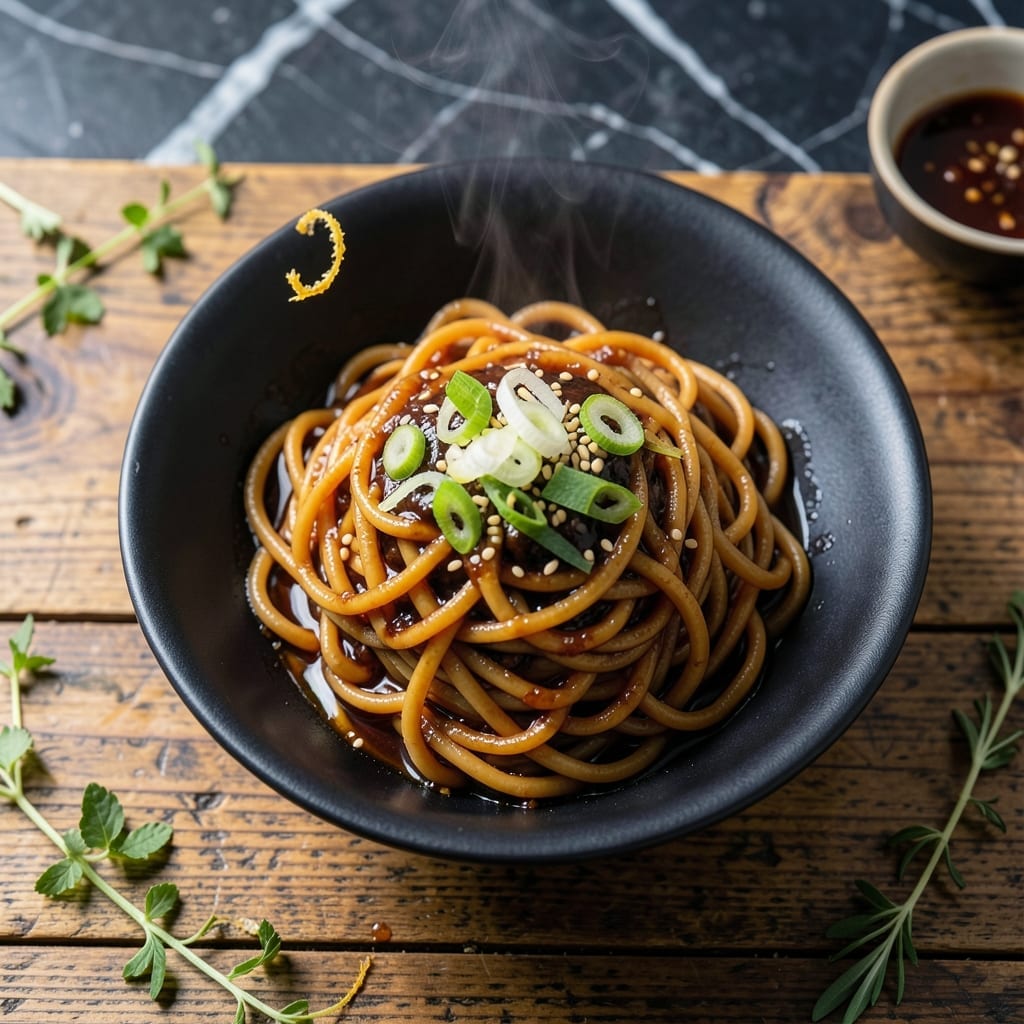
I developed this recipe after years of restaurant experimentation, perfecting a method that brings bold Asian flavors to home kitchens. The key is building layers of umami through simple, accessible ingredients.
This approach transforms basic noodles into something extraordinary with minimal effort. A well-balanced sauce and strategic toppings create depth without complicated techniques or hard-to-find components.
What emerges is a dish with rich, savory notes and satisfying textures that rivals any takeout. The noodles absorb the sauce beautifully while maintaining their perfect bite.
Whether for weeknight dinners or weekend cooking projects, this delivers restaurant-quality results every time. The process is streamlined yet never sacrifices flavor.
Ingredients for Momofuku Noodles Recipe Ideas
Simple Asian pantry staples create bold, restaurant-quality umami noodle bowls at home.
| Ingredient | Amount | Notes |
|---|---|---|
| Dried Egg Noodles 🍜 | 12 oz | Or fresh egg noodles |
| Soy Sauce 🫙 | ⅓ cup | Low-sodium preferred |
| Dark Soy Sauce 🫙 | 1 tbsp | For depth and color |
| Rice Vinegar 🍚 | 2 tbsp | Unseasoned variety |
| Sesame Oil 🫒 | 1 tbsp | Toasted for best flavor |
| Brown Sugar 🍚 | 2 tbsp | Light or dark works |
| Garlic Cloves 🧄 | 4 cloves | Minced finely |
| Fresh Ginger 🌿 | 1 tbsp | Peeled and grated |
| Scallions 🧅 | 4 whole | Thinly sliced, whites and greens separated |
| Vegetable Oil 🫒 | 2 tbsp | Neutral flavor for cooking |
| Miso Paste 🍲 | 2 tbsp | White or red miso |
| Chili Garlic Sauce 🌶️ | 1 tbsp | Adjust to spice preference |
| Cilantro 🌿 | ¼ cup | Fresh, roughly chopped |
| Crushed Peanuts 🥜 | ¼ cup | For garnish and crunch |
The noodles are the foundation, so look for dried egg noodles with a good chew—Fresh & Easy or H-Mart carry excellent options. Soy sauce quality matters: Pearl River Bridge or Kikkoman low-sodium are reliable choices. Dark soy sauce adds depth and color (find it at any Asian grocery store), but skip it if unavailable—just boost the regular soy sauce slightly.
No miso paste? Substitute 1 tbsp additional soy sauce plus 1 tsp sugar. Out of chili garlic sauce? Sriracha or gochujang work well (adjust quantity to taste). Fresh ginger can be replaced with ground ginger at one-third the amount. Cilantro haters can use Thai basil or omit entirely—the dish still shines without it.
Store dried noodles in a cool, dark place for up to 1 year. Once cooked, these bowls keep in the fridge for 3-4 days (the noodles will soak up more sauce over time). Freeze the sauce separately for 3 months if prepping ahead.
Why You’ll Love This Recipe
- 20-Minute Meal: I can have these noodles ready before the takeout guy even leaves the restaurant.
- Umami Bomb: That mix of soy, dark soy, and sesame oil hits you with this deep, salty-sweet flavor that’s honestly hard to beat.
- Lunchbox Hero: I pack these cold the next day—the rice vinegar keeps them from getting mushy, and they taste just as good.
- Pantry MVP: Dried egg noodles and a few bottles mean I’m never more than 20 minutes away from dinner, no fresh ingredients required.
Step-by-Step Instructions for Asian-Inspired Umami Noodles
Master this technique for deeply flavorful noodles with balanced sweet, salty, and umami notes.
Step 1: Cook and Drain the Dried Egg Noodles
Bring a large pot of salted water to a rolling boil. Add the 12 oz dried egg noodles and cook according to package directions until al dente, typically 8-10 minutes. Stir occasionally to prevent sticking.
Drain the noodles in a colander and rinse briefly under cold water to stop the cooking process. Shake off excess water but don’t rinse away all the starch—it helps the sauce cling to the noodles. Toss the noodles with 1 tbsp sesame oil to prevent sticking while you prepare the sauce.
Step 2: Create the Umami Sauce Base
In a small bowl, whisk together the 0.33 cup soy sauce, 1 tbsp dark soy sauce, 2 tbsp rice vinegar, 2 tbsp brown sugar, and 2 tbsp miso paste until the sugar and miso fully dissolve. The mixture should be smooth and glossy.
This base combines salty, sweet, and fermented elements for that signature umami depth. The dark soy sauce adds color and complexity, while the rice vinegar provides the necessary acidity to balance the richness. Set this sauce aside while you cook the aromatics.
Step 3: Sauté Aromatics to Build Flavor
Heat 2 tbsp vegetable oil in a wok or large skillet over medium-high heat. Add the 4 cloves minced garlic cloves and 1 tbsp grated fresh ginger, stirring constantly for 30-45 seconds until fragrant but not browned.
Add the white parts of the 4 whole thinly sliced scallions and cook for another 1 minute until slightly softened. Stir in the 1 tbsp chili garlic sauce and cook for 30 seconds to bloom its spicy, garlicky flavors. This aromatic base will infuse the entire dish with complexity.
Step 4: Combine Noodles and Sauce
Add the cooked noodles to the skillet with the aromatics. Pour the prepared sauce over the noodles and toss everything together with tongs for 2-3 minutes over medium heat until the noodles are evenly coated and have absorbed most of the liquid.
The noodles should glisten with sauce and take on a deep caramel color from the soy and miso. If the mixture seems dry, add a splash of water to loosen the sauce. Taste and adjust seasoning if needed, though the sauce should be well-balanced as written.
Step 5: Garnish and Serve Immediately
Transfer the noodles to serving bowls. Garnish with the green parts of the 4 whole scallions, 0.25 cup roughly chopped cilantro, and 0.25 cup crushed peanuts. The peanuts add a satisfying crunch that contrasts with the tender noodles.
Serve immediately while hot. The cilantro adds freshness that cuts through the richness, while the scallion greens provide a mild oniony bite. Each component should be distinct yet harmonious in every bite.
Pro Tips For Making Momofuku Noodles Recipe Ideas
- Boil Noodles Short: Cook the dried egg noodles 1 minute less than the package says— they’ll finish in the sauce without turning mushy. I learned this the hard way after too many gummy batches.
- Toast the Aromatics: Heat the sesame oil first until it shimmers, then add garlic or ginger for 30 seconds before the sauce. Sounds small, but it deepens the flavor in ways raw oil just can’t.
- Balance the Sauces: Use 2 parts soy sauce to 1 part dark soy sauce— the dark adds color and depth, but too much makes it cloying. My first attempt tasted like a soy bomb; this ratio fixed it.
- Finish with Vinegar: Stir in the rice vinegar at the very end, off the heat. It brightens the dish without cooking off the acidity— I was skeptical until I tried it.
Troubleshooting This Dish
Sauce Too Thin
If your sauce isn’t clinging to the noodles, create a cornstarch slurry with 1 tbsp cornstarch and 1 tbsp cold water. Stir this into the simmering sauce and cook for 1-2 minutes until thickened. I always keep cornstarch in my pantry for this exact reason. 💡
Sauce Too Thick
When the sauce thickens too much, add ¼ cup water or low-sodium chicken broth and toss the noodles over medium heat for 1-2 minutes. The noodles will absorb the extra liquid and the consistency will balance out perfectly.
Noodles Sticking
If your noodles are clumping together, you likely didn’t rinse them properly after boiling. Toss them with 1 tsp vegetable oil immediately after draining to prevent sticking. Work quickly – noodles start sticking as soon as they’re drained.
Bland Flavor
When the flavor seems flat, add 1 tsp soy sauce and ½ tsp rice vinegar at a time until the taste pops. Remember, the sauce should taste slightly stronger than you want the final dish to be, as the noodles will dilute it.
Overcooked Noodles
If your noodles turned mushy, cook them for 1-2 minutes less than the package suggests next time. For this dish, you want them slightly underdone when draining, as they’ll finish cooking in the sauce. 🌟
Burnt Aromatics
Burnt garlic or ginger will make the whole dish bitter. Always cook aromatics over medium heat (not high) and stir constantly. If it happens, start fresh – there’s no saving burnt aromatics in this recipe.
Nutrition Facts
Frequently Asked Questions
Can I use a different type of noodle?
Yes! While egg noodles are traditional, ramen or udon noodles work well too. Adjust cooking time as ramen cooks faster (3-4 minutes) while udon may take 10-12 minutes.
How can I make this dish vegetarian?
Simply swap the soy sauces for tamari and use vegetarian miso paste. Add tofu or mushrooms for protein. The umami depth remains intact with these changes.
Can I prepare the sauce ahead of time?
The sauce keeps in the fridge for up to 5 days. Store in an airtight container and give it a stir before combining with fresh noodles.
What if I don’t have dark soy sauce?
No problem. Use regular soy sauce plus 1 tsp molasses or 1 tsp brown sugar for color and depth. The flavor will be nearly identical.

- BBQ Sausage Recipe Oven: Smoky Depth Without the Grill - September 28, 2026
- BBQ Chicken Bowl Recipe Rice: Smoky Sweetness Over Fluffy Grains - September 28, 2026
- Beef Cutlet Recipe Ideas: Crispy Breaded Patties With Bold Seasonings - September 28, 2026