
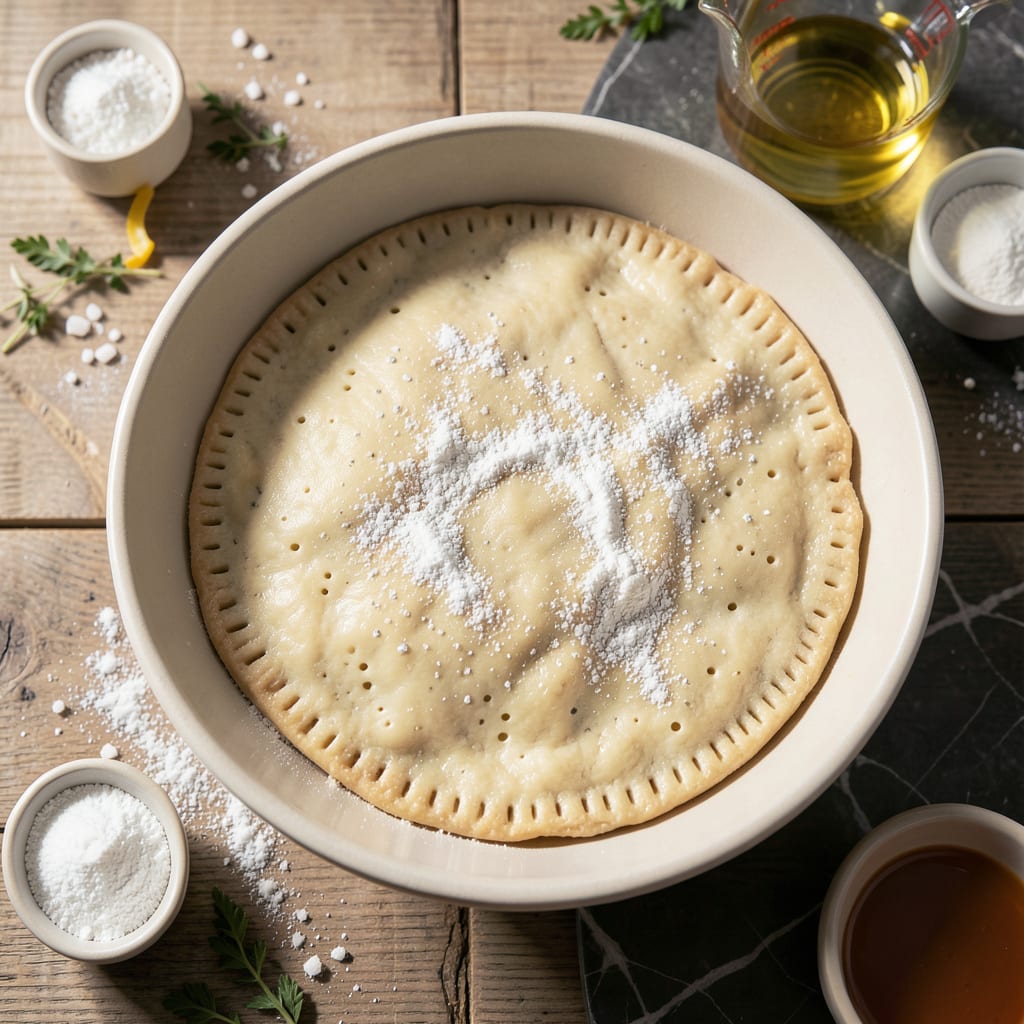
This oil-based pie crust delivers flaky results without butter, using a simple technique that ensures tender layers every time. The secret lies in cold oil and minimal handling to prevent toughness.
With just a few pantry staples and 10 minutes of prep, you’ll have a reliable crust ready for any pie. It bakes to a golden finish with the perfect crumbly texture.
Ingredients for Oil Pie Crust Recipe Betty Crocker
Simple pantry ingredients create this no-butter crust with effortless flaky layers.
| Ingredient | Amount | Notes |
|---|---|---|
| All-Purpose Flour 🌾 | 2 ½ cups | Sifted for best texture |
| Vegetable Oil 🫒 | ¾ cup | Cold, any neutral oil works |
| Salt 🧂 | 1 tsp | Fine grain preferred |
| Granulated Sugar 🍚 | 1 tbsp | Optional for sweet crusts |
| Ice Water 💧 | ¼ cup | Plus extra as needed |
| Baking Powder 🧂 | ½ tsp | Optional for extra flakiness |
| Apple Cider Vinegar 🍏 | 1 tsp | Helps tenderize crust |
The flour is the foundation here. King Arthur or Gold Medal all-purpose are reliable choices—avoid bread flour as it develops too much gluten. The oil must be cold, straight from the fridge (or even frozen briefly). Vegetable oil, canola, or even melted coconut oil all work. I prefer Crisco for its neutral flavor and high smoke point, but any neutral oil will do.
No vegetable oil? Melted shortening works at a 1:1 ratio. Out of all-purpose flour? Pastry flour at the same amount gives a slightly more tender result. Skip the sugar if you’re making a savory pie. The vinegar might seem odd, but it’s worth the splash—white vinegar or lemon juice can substitute. For a richer flavor, some bakers swear by replacing 2 tbsp oil with 2 tbsp cold water and 1 tbsp melted butter (but that breaks the no-butter promise).
The dough keeps 2 days wrapped tightly in the fridge, or freeze for 3 months. If freezing, roll it out first then layer with parchment—saves time later. Always let it warm slightly before rolling to prevent cracking.
Why You’ll Love This Recipe
- No Fuss Mixing: I just stir the flour, oil, and ice water together—no cutting butter or chilling dough for hours.
- Buttery Crisp: The oil makes it flaky and light, with just a hint of sweetness from the sugar that pairs perfectly with any filling.
- Last-Minute Hero: Honestly, I’ve used this for everything from apple pie to pot pie on a weeknight.
- Pantry Staples: All-purpose flour, oil, and basic seasonings mean I can make this without a special grocery trip.
Step-by-Step Instructions for Oil Pie Crust
This method delivers a tender, flaky crust without butter, using simple mixing and resting techniques.
Step 1: Combine Dry Ingredients
In a large mixing bowl, whisk together the 2.5 cups All-Purpose Flour, 1 tsp Salt, 1 tbsp Granulated Sugar, and 0.5 tsp Baking Powder until fully incorporated. Sifted flour works best here, ensuring a light texture without dense pockets.
The baking powder adds lift for extra flakiness, while the sugar balances flavor for sweet or savory pies. Make sure all ingredients are evenly distributed before adding any liquids—this prevents uneven texture in the finished crust.
Step 2: Incorporate the Oil
Pour the 0.75 cup Vegetable Oil into the dry mixture. Using a fork, stir until the oil is fully distributed and the mixture resembles coarse crumbs with some pea-sized clumps remaining. The oil should coat the flour evenly without any dry pockets.
Cold vegetable oil is key—it creates flaky layers as it melts during baking. Unlike butter, oil won’t firm up when chilled, so work efficiently. The texture should look slightly shaggy, not smooth. This step ensures a tender rather than tough crust.
Step 3: Add Liquids and Mix
In a small bowl, combine the 0.25 cup Ice Water and 1 tsp Apple Cider Vinegar. The vinegar tenderizes the gluten, while the ice water keeps the dough cool for maximum flakiness. Pour this mixture into the flour-oil combination.
Stir with a fork until the dough just comes together. It will look slightly sticky but should hold when pressed. Avoid overmixing—this develops gluten, which makes the crust tough. If the dough seems too dry, add ice water 1 tablespoon at a time until it holds shape.
Step 4: Shape and Chill the Dough
Turn the dough onto a lightly floured surface and gently knead it 2-3 times until smooth. Divide it into two equal portions and shape each into a disk about ½ inch thick. Wrap tightly in plastic wrap.
Refrigerate for at least 30 minutes or up to 2 days. Chilling relaxes the gluten and makes the dough easier to roll out. When ready to use, let the dough sit at room temperature for 10 minutes to soften slightly before rolling.
Step 5: Roll and Fit into Pie Dish
On a lightly floured surface, roll one disk into a 12-inch circle about ⅛ inch thick. Transfer it to a 9-inch pie dish, pressing gently into the bottom and sides. Trim excess dough, leaving a ½-inch overhang for crimping.
For a pre-baked crust, prick the bottom with a fork and bake at 400°F for 12-15 minutes until lightly golden. For a filled pie, add your filling and bake as directed. The vinegar and oil combination ensures a crisp, flaky texture without butter.
Pro Tips For Making Oil Pie Crust Recipe Betty Crocker
- Chill the Oil: Sounds weird, but it works: pop your vegetable oil in the freezer for 15 minutes before mixing. I learned this the hard way—warm oil makes the crust tough instead of flaky.
- Use Ice-Cold Water: Don’t just use cold water—make sure it’s ice-cold. After burning three batches, I finally figured out that even slightly warm water can ruin the texture.
- Skip Overmixing: Mix just until the dough holds together. My grandmother swore by this, and she was right: overworking it makes the crust dense, not tender.
- Rest the Dough: Give it a solid 10 minutes in the fridge before rolling. I was skeptical until I tried it—this step actually changes the outcome, making it easier to handle and flakier.
Troubleshooting oil pie crust recipe betty crocker
Dough Too Sticky
If your dough feels too wet, add 1-2 tbsp extra flour while mixing. This often happens if you used too much water. Work it in gently—over-flouring can make the crust dry. I’ve found chilling for 15 minutes also helps firm it up. 💡
Dough Too Dry
When the mixture won’t hold together, sprinkle in ice water 1 tsp at a time until it just comes together. Cold water is critical—warm water can make the oil separate. Don’t rush this step; it’s better to add too little than too much.
Crust Shrinks When Baked
This usually means the dough wasn’t rested enough. Always chill for at least 30 minutes before rolling. Also, avoid stretching the dough when fitting it into the pie dish—press it in gently instead. Shrinkage often happens with overworked gluten.
Tough Texture
Overmixing is the main culprit. Stir just until the dough forms—it’s okay if it looks a bit shaggy. Also, ensure your oil is cold, as warm oil won’t create flaky layers. I use Crisco straight from the fridge for best results.
Soggy Bottom
For a crisp base, blind-bake at 400°F for 12-15 minutes before adding fillings. Prick the bottom with a fork and use pie weights or dried beans. This prevents steam from making the crust soggy. Always preheat your baking sheet too. 🔥
Crust Not Flaky
Flakiness comes from cold oil and minimal handling. If your crust is dense, try freezing the oil for 10 minutes before mixing. Also, avoid rolling the dough too thin—aim for ⅛ inch thickness for the best layers.
Nutrition Facts
Frequently Asked Questions
Can I use any oil for this crust?
Yes, any neutral oil like canola or vegetable works. For best results, use cold oil straight from the fridge. Avoid strongly flavored oils like olive oil, which can alter the taste.
Why does it need to chill before rolling?
Chilling for 30 minutes relaxes the gluten and firms the dough, making it easier to roll. It also prevents shrinking during baking. Never skip this step for flaky results.
Can I make this ahead of time?
The dough keeps 2 days refrigerated or 3 months frozen. Thaw overnight in the fridge before using. Always wrap tightly to prevent drying.
How do I prevent a soggy bottom?
Blind-bake at 400°F for 12-15 minutes with pie weights. Prick the base with a fork and preheat your baking sheet. This ensures a crisp crust every time.

- BBQ Sausage Recipe Oven: Smoky Depth Without the Grill - September 28, 2026
- BBQ Chicken Bowl Recipe Rice: Smoky Sweetness Over Fluffy Grains - September 28, 2026
- Beef Cutlet Recipe Ideas: Crispy Breaded Patties With Bold Seasonings - September 28, 2026