
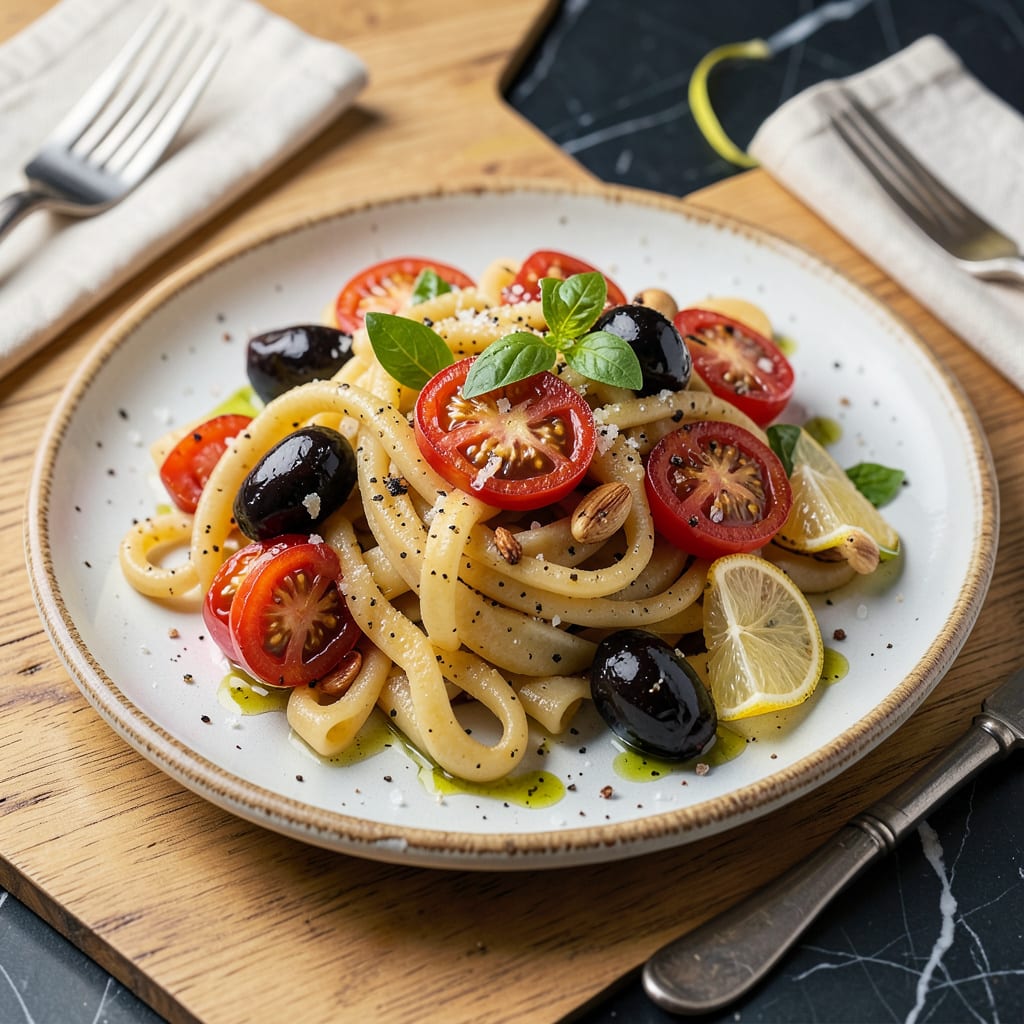
Oio is a traditional Hawaiian bonefish dish typically prepared by wrapping fresh fish in ti leaves with salt and steaming or baking. The delicate, slightly sweet flavor pairs perfectly with simple seasonings like Hawaiian salt, ginger, and chili peppers for an authentic island taste.
This dish carries deep cultural roots in Hawaiian cuisine, where the preparation method is as meaningful as the flavor. 🔥 The ti leaf wrapping isn’t just for presentation—it infuses the fish with subtle earthy notes while keeping the flesh incredibly moist during cooking. I’ve found that the simplicity of the seasonings actually highlights the fish’s natural sweetness, which is why traditional recipes avoid overpowering flavors. What’s fascinating is how the cooking technique—whether in an imu (underground oven) or modern oven—creates distinct textures while preserving that signature delicate taste.
💡 In This Article
- Traditional Cooking Methods for Authentic Oio
- Where to Find Oio Ingredients Outside Hawaii
Traditional Cooking Methods for Authentic Oio
The ti leaf wrapping technique serves multiple purposes beyond presentation. These broad, waxy leaves contain natural compounds that release subtle vanilla-like aromas when heated, infusing the fish with earthy sweetness. 🌿 The leaves also create a steam pocket that locks in moisture while allowing just enough airflow to prevent sogginess.
Traditional preparation calls for 3-4 layers of ti leaves to ensure complete coverage and even cooking.
Imu cooking—the classic underground oven method—transforms the dish through slow, even heat distribution. The fish cooks at approximately 275-300°F for 2-3 hours, allowing the natural sugars in the bonefish to caramelize gently while the salt penetrates evenly.
This low-and-slow approach creates a texture that’s firm yet tender, with the flesh pulling away cleanly from the bones. Modern oven adaptations at 325°F for 45-60 minutes can approximate this effect, though the flavor depth differs slightly.
Alaea salt—the traditional Hawaiian red salt—plays a crucial role beyond basic seasoning. Its iron oxide content (giving it that distinctive pink hue) interacts with the fish’s proteins during cooking, creating a subtle mineral richness that white salt can’t replicate.
The standard ratio is 1 tablespoon of alaea salt per pound of fish, applied directly to the flesh before wrapping. This amount enhances flavor without overpowering the delicate bonefish taste.
The ginger and chili pepper combination serves both flavor and functional purposes. Fresh ginger contains zingibain, an enzyme that helps break down fish proteins, making the texture more tender. Hawaiian chili peppers (like the small, fiery nīoi peppers) add just enough heat to balance the sweetness without overwhelming the palate.
The traditional ratio is 1 inch grated ginger and 1-2 sliced chili peppers per pound of fish.
What makes imu-cooked oio particularly special is the smoky undertone it develops from the kiawe (mesquite) wood traditionally used. This wood burns hot and clean, imparting a light, nutty smoke that complements the fish’s natural sweetness. Modern smokers can approximate this by using mesquite chips at 225°F for the final 30 minutes of cooking. ✨
For those without access to an imu, a two-step oven method works well: start with 30 minutes at 300°F wrapped in ti leaves, then finish with 10 minutes at 400°F unwrapped to develop a light crust. This approach mimics the textural contrast achieved in traditional cooking while maintaining the dish’s signature moisture.
The cultural significance extends to the serving presentation. Traditionally, oio is unwrapped tableside to release the aromatic steam, then served with simple accompaniments like steamed taro or breadfruit. This presentation style emphasizes the dish’s natural flavors and the skill of the preparation.
The ti leaves are often repurposed afterward as natural plates or composted, reflecting the zero-waste philosophy of traditional Hawaiian cooking.

- BBQ Sausage Recipe Oven: Smoky Depth Without the Grill - September 28, 2026
- BBQ Chicken Bowl Recipe Rice: Smoky Sweetness Over Fluffy Grains - September 28, 2026
- Beef Cutlet Recipe Ideas: Crispy Breaded Patties With Bold Seasonings - September 28, 2026