
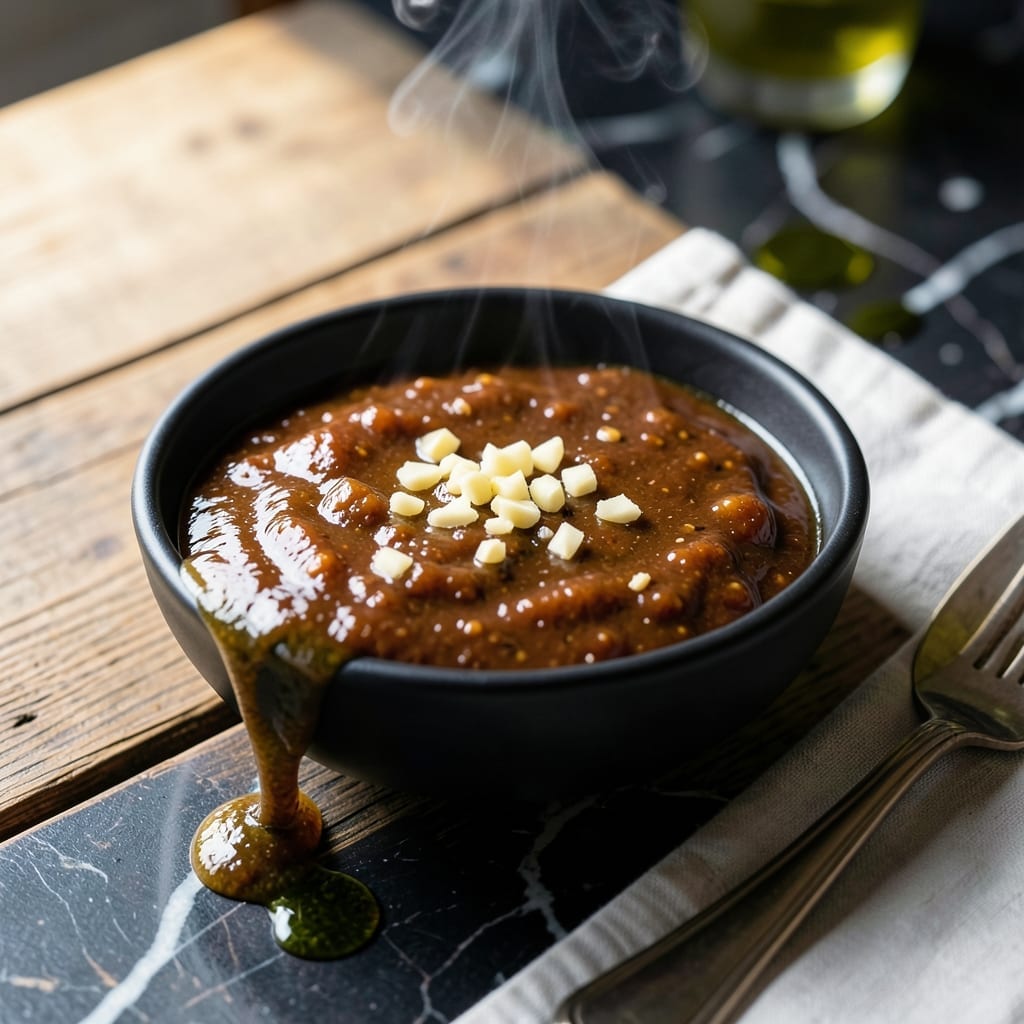
This homemade oyster sauce delivers the same deep, savory flavor as store-bought versions without the additives. The process transforms fresh oysters and simple pantry staples into a rich, glossy condiment that elevates any dish.
The key lies in slowly reducing the mixture to concentrate its natural umami intensity. A touch of cornstarch creates the perfect thick, syrupy consistency that clings beautifully to stir-fries, noodles, and vegetables.
Once cooled, this sauce keeps well in the refrigerator for up to 3 weeks, making it a practical addition to your cooking repertoire. Its versatility shines in marinades, glazes, or as a finishing touch.
You’ll appreciate how this version captures authentic flavor while allowing you to control the ingredients completely.
Ingredients for Oyster Sauce
Nine simple ingredients transform into a rich, umami-packed sauce for your pantry.
| Ingredient | Amount | Notes |
|---|---|---|
| Fresh Oysters 🦪 | 12 whole | Shucked, liquid reserved |
| Soy Sauce 🫒 | ½ cup | Low-sodium for control |
| Water 💧 | ½ cup | For simmering oysters |
| Brown Sugar 🍚 | 2 tbsp | Light or dark works |
| Cornstarch 🌾 | 1 tbsp | For thickening sauce |
| Garlic Cloves 🧄 | 3 cloves | Minced for depth |
| Fresh Ginger 🌿 | 1 tbsp | Peeled and grated |
| Rice Vinegar 🍶 | 1 tbsp | For brightness |
| Sesame Oil 🫒 | ½ tsp | Toasted for aroma |
The oysters are the soul of this sauce—fresh shucked oysters from a trusted fishmonger are ideal (look for plump, briny ones). I grab mine from Whole Foods or a local seafood market, but even frozen oysters (thawed) work in a pinch. The soy sauce should be low-sodium so you control the saltiness. Kikkoman is a reliable brand, but any quality soy sauce will do.
No fresh oysters? Canned oysters in water (not oil) can substitute—drain and rinse them first. Brown sugar can be swapped for honey or maple syrup if you prefer. For the cornstarch, arrowroot powder works too, but use the same amount. The ginger and garlic are non-negotiable for authentic flavor, but pre-minced from a jar is fine if you’re short on time.
This sauce thickens as it cools, so resist the urge to add more cornstarch. Store in an airtight container in the fridge for up to 3 weeks. For longer storage, freeze in ice cube trays—perfect for adding a quick umami boost to weeknight meals.
Why You’ll Love This Recipe
- Five-Minute Simmer: I dump everything in a pot and let the oysters and soy sauce work their magic while I set the table.
- Umami Bomb: The fresh oysters and brown sugar create this rich, salty-sweet depth that’s honestly way better than store-bought.
- Stir-Fry Superstar: I use it in everything from noodles to veggies—it turns a plain weeknight dinner into something special.
- Pantry Lifesaver: A batch lasts me weeks in the fridge, and it’s way cheaper than buying those tiny bottles every time.
Step-by-Step Instructions for Oyster Sauce
This method transforms fresh oysters into a rich, savory sauce with minimal effort.
Step 1: Simmer Oysters in Aromatic Liquid
In a medium saucepan, combine the shucked fresh oysters with their reserved liquid, 0.5 cup soy sauce, and 0.5 cup water. Bring to a gentle simmer over medium heat. You’ll see the oysters start to plump and their edges curl slightly—that’s your visual cue they’re releasing their briny essence into the liquid.
Simmer for 8-10 minutes until the oysters are fully cooked and the liquid takes on a milky, opalescent sheen. This transformation indicates the oyster juices have fully infused the broth. Stir occasionally to prevent sticking, but avoid vigorous stirring that might break up the tender oysters.
Step 2: Strain and Reduce the Base
Place a fine-mesh strainer over a clean saucepan and pour the oyster mixture through it. Press gently on the solids with a spoon to extract every drop of flavorful liquid, but don’t force any pulp through—this ensures a smooth final sauce. Discard the cooked oysters.
Return the strained liquid to medium-high heat and bring to a boil. Reduce the heat slightly and let it simmer vigorously for 10-12 minutes until the liquid reduces by about one-third. You’re looking for a deeper color and slightly thicker consistency before moving to the next step.
Step 3: Create the Flavor Foundation
Add the 2 tbsp brown sugar, 3 cloves minced garlic cloves, and 1 tbsp peeled and grated fresh ginger to the reduced liquid. Stir well to dissolve the sugar completely. The mixture should smell intensely aromatic at this point, with the garlic and ginger releasing their essences into the simmering liquid.
Continue simmering for 3-4 minutes until the garlic and ginger have mellowed slightly but still maintain their vibrant character. Taste and adjust sweetness if needed, though the brown sugar should balance the salty soy perfectly at this stage.
Step 4: Thicken and Finish the Sauce
In a small bowl, whisk together the 1 tbsp cornstarch with 1 tbsp rice vinegar until completely smooth with no lumps. This slurry will thicken the sauce without creating a starchy taste. Slowly pour the mixture into the simmering sauce while stirring constantly.
Cook for 1-2 minutes until the sauce thickens enough to coat the back of a spoon. The texture should be syrupy but still pourable. Stir in the 0.5 tsp toasted sesame oil at the very end—its delicate aroma would dissipate if added earlier. The sauce should now have a glossy sheen and rich, complex aroma.
Pro Tips For Making Oyster Sauce
- Simmer Low and Slow: Keep the heat at a gentle simmer—any higher and the oysters will toughen up while the sugar burns before it caramelizes properly.
- Strain the Oysters: After shucking, strain the oysters through a fine mesh to remove any grit or shell fragments; I learned this the hard way after crunching on a hidden piece.
- Skip the Overcrowding: Cook the oysters in batches if needed—dumping them all in at once drops the temperature too fast and steams them instead of searing.
- Bloom the Cornstarch: Mix the cornstarch with cold water first, then stir it into the simmering sauce; this prevents clumps and gives you that smooth, glossy finish every time.
Serving Suggestions for Leftovers
Stir-Fry Finishing
Drizzle 1-2 tsp of this sauce over your stir-fried vegetables or proteins in the final 30 seconds of cooking. The heat helps it cling beautifully to each piece. I love it with broccoli, bell peppers, and chicken for a quick weeknight meal. 🔥
Noodle Coating
Toss 8 oz cooked noodles (udon or lo mein work great) with 2 tbsp of oyster sauce for an instant flavor boost. Add 1 tsp sesame oil and green onions for extra depth. The sauce’s thickness makes it perfect for coating every strand evenly.
Marinade Base
Combine 3 tbsp of this sauce with 1 tbsp soy sauce and 1 tbsp rice vinegar for a marinade. It works wonders with shrimp or tofu—let them soak for at least 20 minutes before cooking. The umami penetrates deeply for maximum flavor impact.
Dipping Sauce
Thin it slightly with 1 tsp warm water and serve as a dipping sauce for dumplings or spring rolls. I like to add a pinch of red pepper flakes for a subtle kick. The glossy texture makes it visually appealing on any appetizer platter. 💛
Garnish Drizzle
Use a spoon to drizzle thin lines over finished dishes like fried rice or steamed fish. The dark color creates beautiful contrast against lighter foods. A little goes a long way—start with ½ tsp and add more to taste.
Soup Enhancer
Stir 1 tsp into hot soups like won ton or egg drop just before serving. It adds depth without overpowering the broth. I find it especially good in clear soups where you want to enhance rather than dominate the flavor profile.
Nutrition Facts
Frequently Asked Questions
Can I use canned oysters instead of fresh?
Yes, canned oysters in water (not oil) work well. Drain and rinse them first. The flavor will be slightly less intense than fresh, but it’s a good substitute in a pinch.
How do I adjust the thickness?
For a thicker sauce, mix 1 tsp more cornstarch with 1 tsp water and stir in. For thinner, add 1-2 tsp warm water gradually until desired consistency is reached.
What can I use if I don’t have rice vinegar?
Apple cider vinegar or white vinegar can substitute. Use the same 1 tbsp amount. The flavor profile will be slightly different but still balanced.
Why did my sauce turn out too salty?
This usually happens if the soy sauce reduces too much. Next time, reduce the liquid by only 25% before adding other ingredients. You can also add a pinch of sugar to balance.

- BBQ Sausage Recipe Oven: Smoky Depth Without the Grill - September 28, 2026
- BBQ Chicken Bowl Recipe Rice: Smoky Sweetness Over Fluffy Grains - September 28, 2026
- Beef Cutlet Recipe Ideas: Crispy Breaded Patties With Bold Seasonings - September 28, 2026